Broccoli VS Sesame Oil
A detailed nutritional comparison
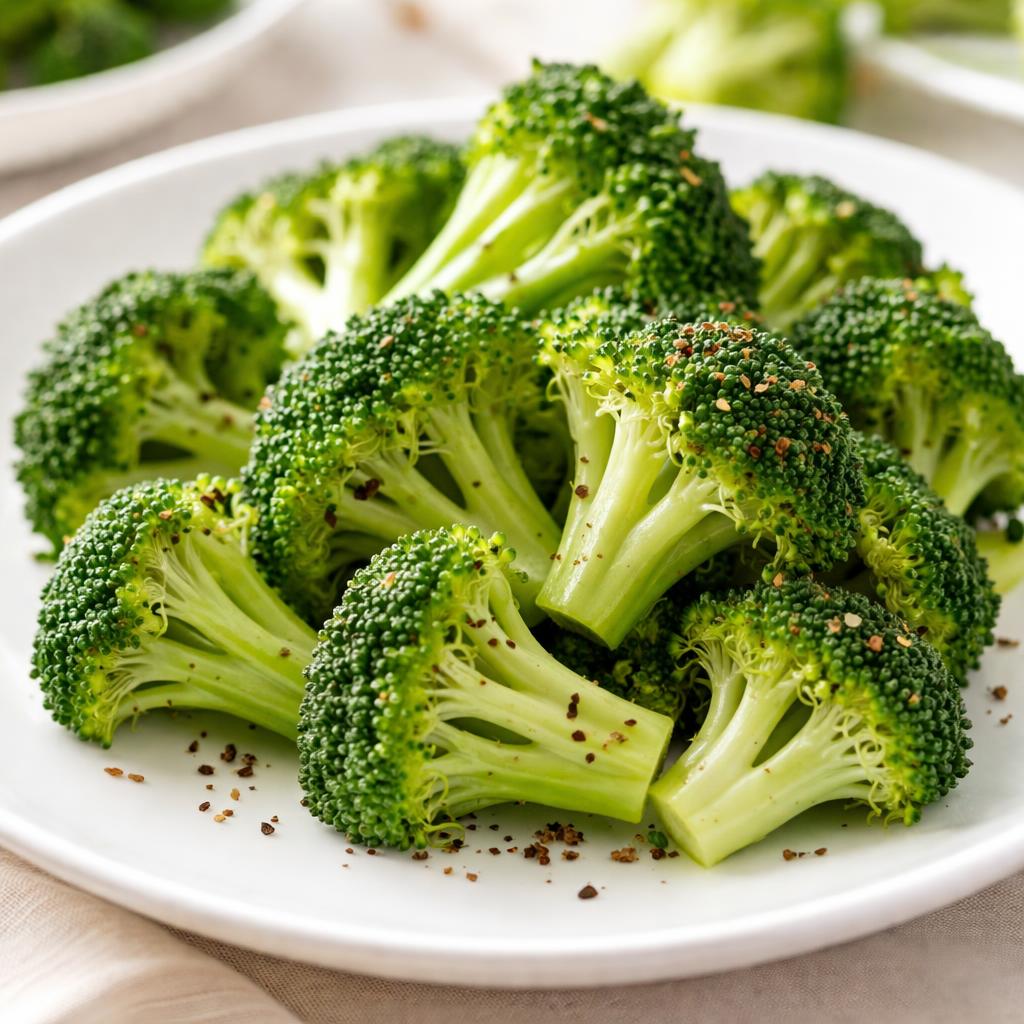
Broccoli
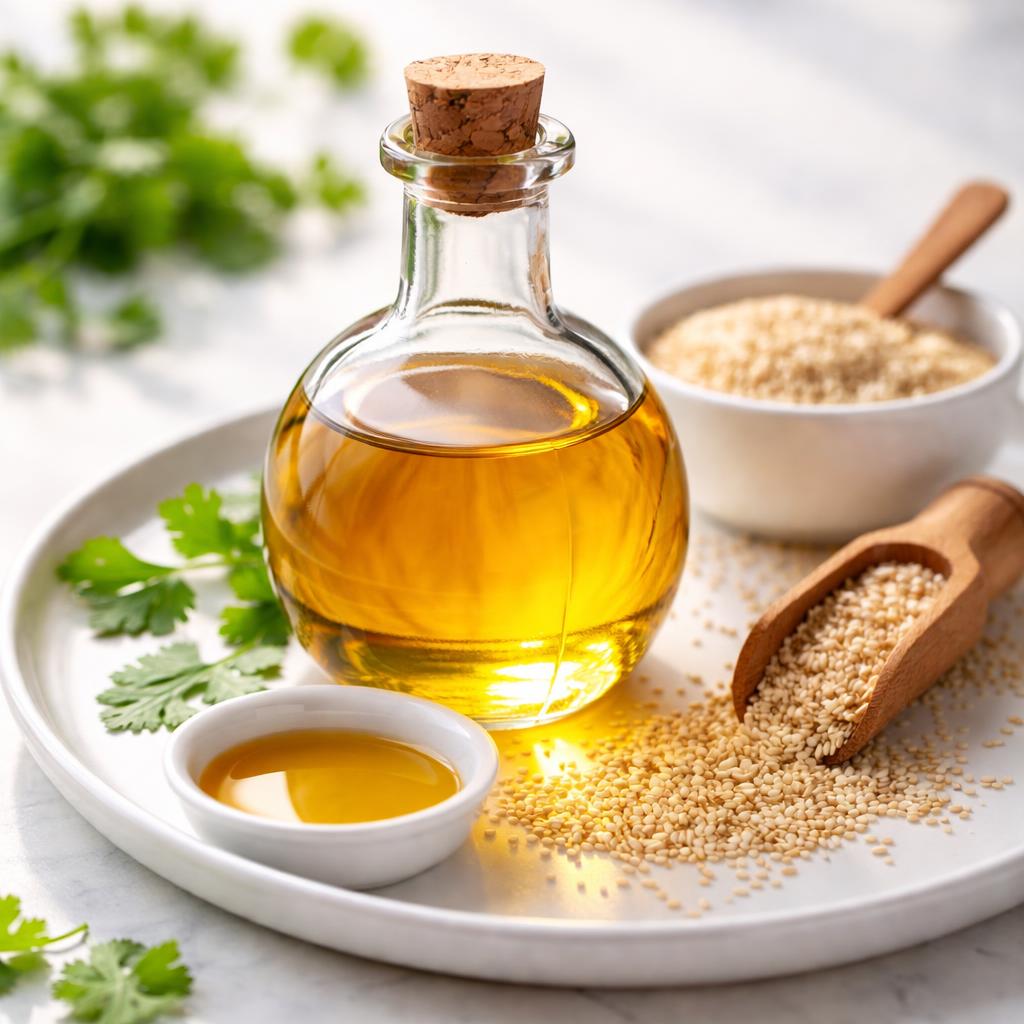
Sesame Oil
🎯 Quick Verdict
Broccoli is a nutrient-dense vegetable rich in fiber, protein, and vitamins, making it an excellent choice for overall health and weight loss diets. Sesame oil is calorie-dense and primarily composed of healthy fats, suitable for heart health and adding flavor to dishes but less nutrient-diverse than broccoli.

Smart Nutrition Tracking with SnapCalorie

📊 Nutritional Comparison
Macronutrients
| Nutrient | Food 1 | Food 2 | Winner |
|---|---|---|---|
| Calories | 55 | 120 | ✓ |
| Protein | 4g | 0g | ✓ |
| Carbs | 11g | 0g | ✓ |
| Fat | 0.5g | 14g | ✓ |
| Fiber | 2.4g | 0g | ✓ |
Vitamins & Minerals
| Nutrient | Food 1 | Food 2 | Winner |
|---|---|---|---|
| Vitamin C | 89.2mg (99% DV) | 0mg | ✓ |
| Vitamin K | 101.6mcg (85% DV) | 0.7mcg | ✓ |
| Calcium | 47mg | 18mg | ✓ |
| Iron | 0.7mg | 2.3mg | ✓ |
🏆 Category Winners
Protein
Broccoli contains 4g of protein per serving, sesame oil contains none.
Fiber
Broccoli provides 2.4g of fiber, whereas sesame oil has 0g.
Calories
55 calories in broccoli vs 120 in sesame oil per serving.
Vitamins
Broccoli leads with Vitamin C and Vitamin K content.
🥗 Diet Compatibility
Keto
Food 1: Compatible
Food 2: Compatible
Both can fit in a keto diet, as broccoli is low-carb and sesame oil is high-fat.
Vegan
Food 1: Compatible
Food 2: Compatible
Both are plant-based and vegan-friendly.
Gluten Free
Food 1: Compatible
Food 2: Compatible
Neither food contains gluten.
Paleo
Food 1: Compatible
Food 2: Compatible
Both are staple foods in the paleo diet.
Low Carb
Food 1: Moderately Compatible
Food 2: Highly Compatible
Broccoli contains some carbs, but sesame oil is carb-free.
💪 Health Benefits Comparison
Food 1 Benefits
- High in fiber for digestive health
- Rich in Vitamin C for immune support
- Contains antioxidants to fight inflammation
- Moderate protein content for muscle repair
Food 2 Benefits
- Rich in unsaturated fats for heart health
- Contains sesamin, a compound with anti-inflammatory properties
- Provides a source of Vitamin E for skin and cell health
- Adds rich flavor to dishes with minimal carbs
✅ The Bottom Line
Broccoli is an excellent choice for weight loss, nutrient density, and improving overall health due to its high fiber, protein, and vitamin content. Sesame oil serves best as a source of healthy fats, providing flavor enhancement and heart health benefits but lacks micronutrient diversity. Use broccoli as the base for meals and sesame oil sparingly in dressings or cooking for added flavor and healthy fats.
Choose Food 1 for: Weight management, immune health, high-fiber diets
Choose Food 2 for: Heart health, flavor in cooking, low-carb diets


