Broccoli VS Salad Dressing
A detailed nutritional comparison
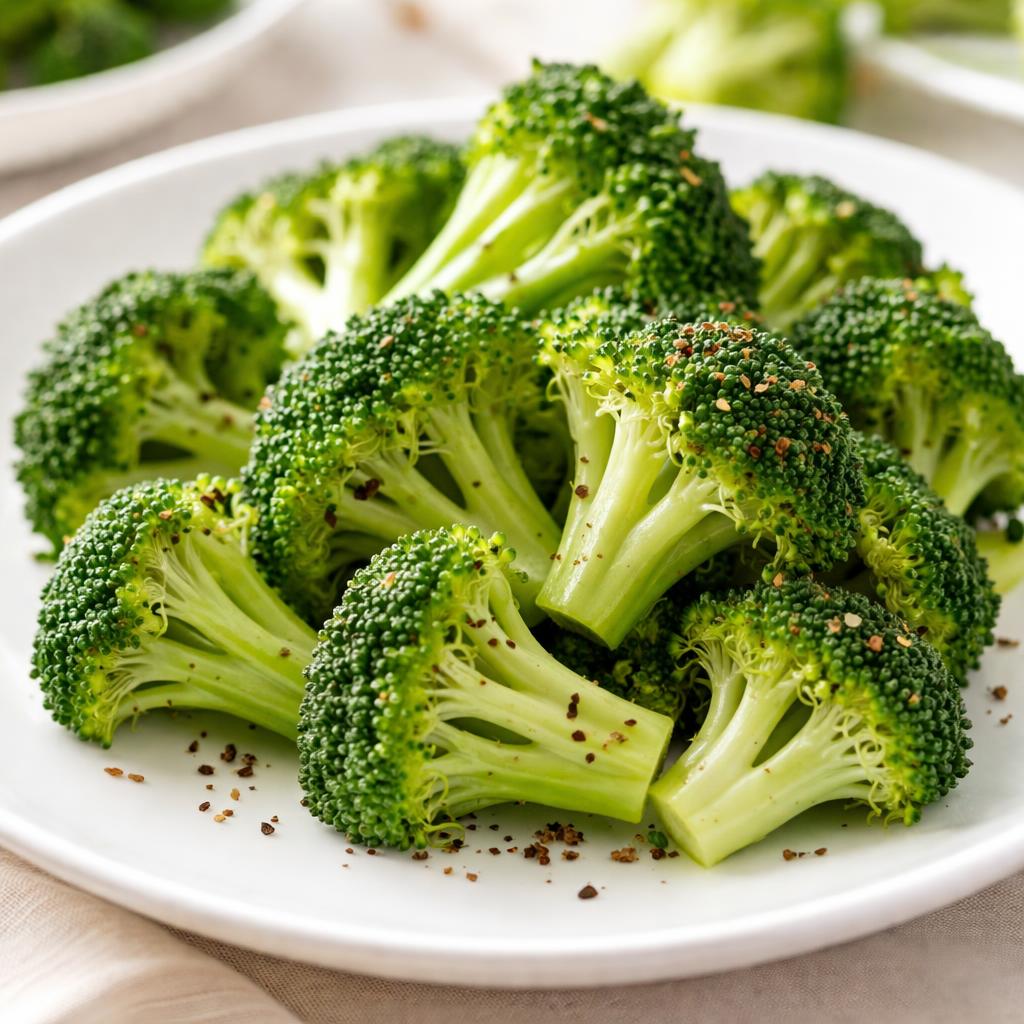
Broccoli
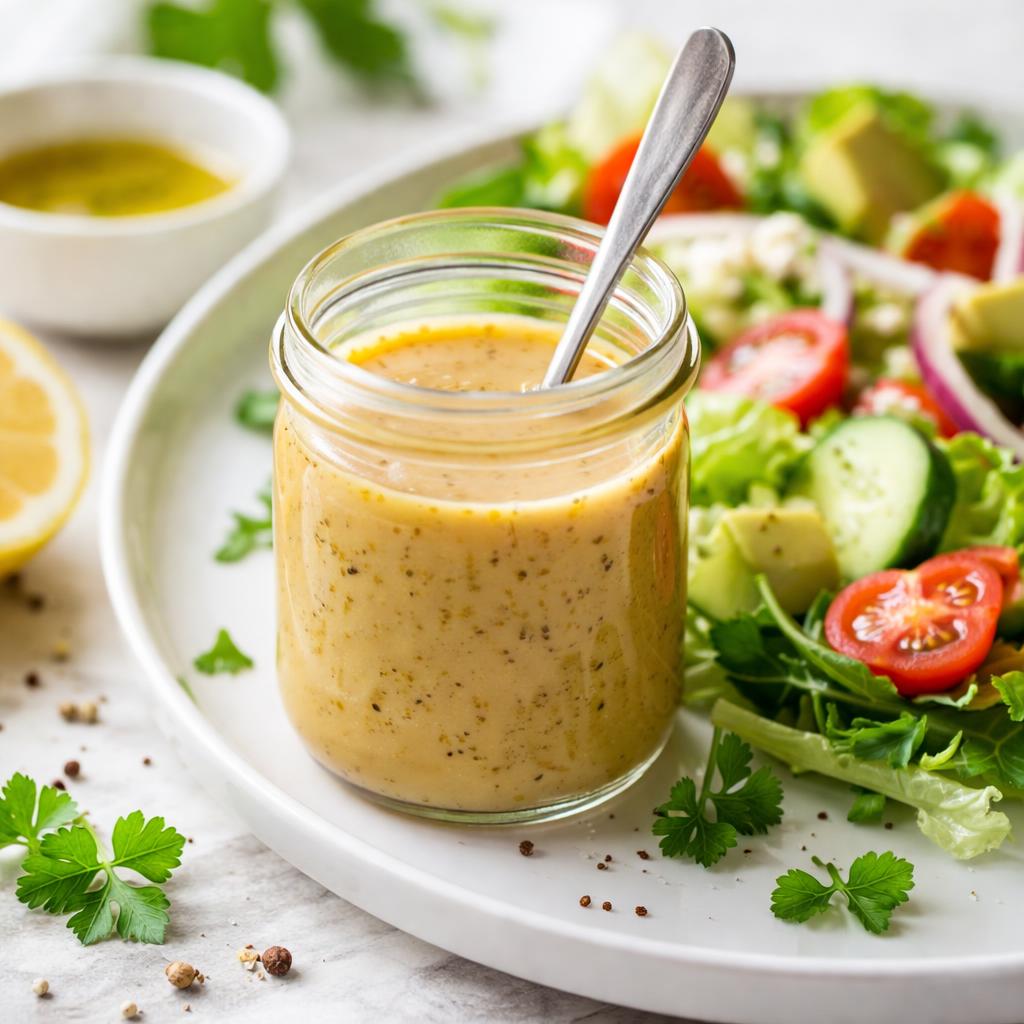
Salad Dressing
🎯 Quick Verdict
Broccoli is a nutrient-dense, whole food that excels in protein, fiber, and overall health benefits, while salad dressing provides fats and flavor enhancements but lacks substantial nutritional density. Broccoli is ideal for those looking to improve their overall diet, while salad dressing adds taste to meals in moderation but should not be relied upon for essential nutrients.

Smart Nutrition Tracking with SnapCalorie

📊 Nutritional Comparison
Macronutrients
| Nutrient | Food 1 | Food 2 | Winner |
|---|---|---|---|
| Calories | 55 | 100 | ✓ |
| Protein | 4g | 0g | ✓ |
| Carbs | 11g | 3g | ✓ |
| Fat | 0.5g | 10g | ✓ |
| Fiber | 3g | 0g | ✓ |
Vitamins & Minerals
| Nutrient | Food 1 | Food 2 | Winner |
|---|---|---|---|
| Vitamin C | 89mg | 0mg | ✓ |
| Vitamin K | 101mcg | 60mcg | ✓ |
| Calcium | 43mg | 8mg | ✓ |
| Iron | 0.7mg | 0.1mg | ✓ |
🏆 Category Winners
Protein
Broccoli contains 4g of protein, while salad dressing contains none.
Fiber
Broccoli provides 3g of fiber, whereas salad dressing contains none.
Calories
Broccoli has 45% fewer calories per serving compared to salad dressing.
Vitamins
Broccoli is rich in vitamin C, K, calcium, and iron, while salad dressing has limited vitamin content.
🥗 Diet Compatibility
Keto
Food 1: Compatible
Food 2: Compatible
Both foods are low-carb and fit within keto diet limits.
Vegan
Food 1: Compatible
Food 2: Depends
Broccoli is naturally vegan. Many salad dressings contain dairy or eggs, so compatibility depends on the specific type.
Gluten Free
Food 1: Compatible
Food 2: Depends
Broccoli is gluten-free, but some salad dressings may contain gluten depending on added ingredients.
Paleo
Food 1: Compatible
Food 2: Depends
Broccoli fits paleo guidelines, while salad dressings with artificial ingredients may not qualify.
Low Carb
Food 1: Compatible
Food 2: Compatible
Broccoli contains 11g carbs, mostly from fiber, while salad dressing is low in carbs but lacks fiber.
💪 Health Benefits Comparison
Food 1 Benefits
- High in fiber for improved digestion.
- Rich in vitamin C for immune system support.
- Contains antioxidants for reducing inflammation.
- Supports bone health with calcium and vitamin K.
Food 2 Benefits
- Provides healthy fats that support heart and brain health.
- Enhances flavor to encourage vegetable consumption.
- Some types may contain omega-3 fatty acids depending on ingredients.
✅ The Bottom Line
Broccoli is the clear winner nutritionally, offering essential vitamins, minerals, protein, and fiber with fewer calories. Salad dressing should be used in moderation to enhance flavor but not relied upon as a primary food source. Choose broccoli for health-focused meals and salad dressing for occasional flavor-boosting purposes.
Choose Food 1 for: Weight management, immune health, digestive support, nutrient-dense meals.
Choose Food 2 for: Adding flavor to salads and meals, providing healthy fats in moderation.


