Broccoli VS Roasted Potatoes
A detailed nutritional comparison
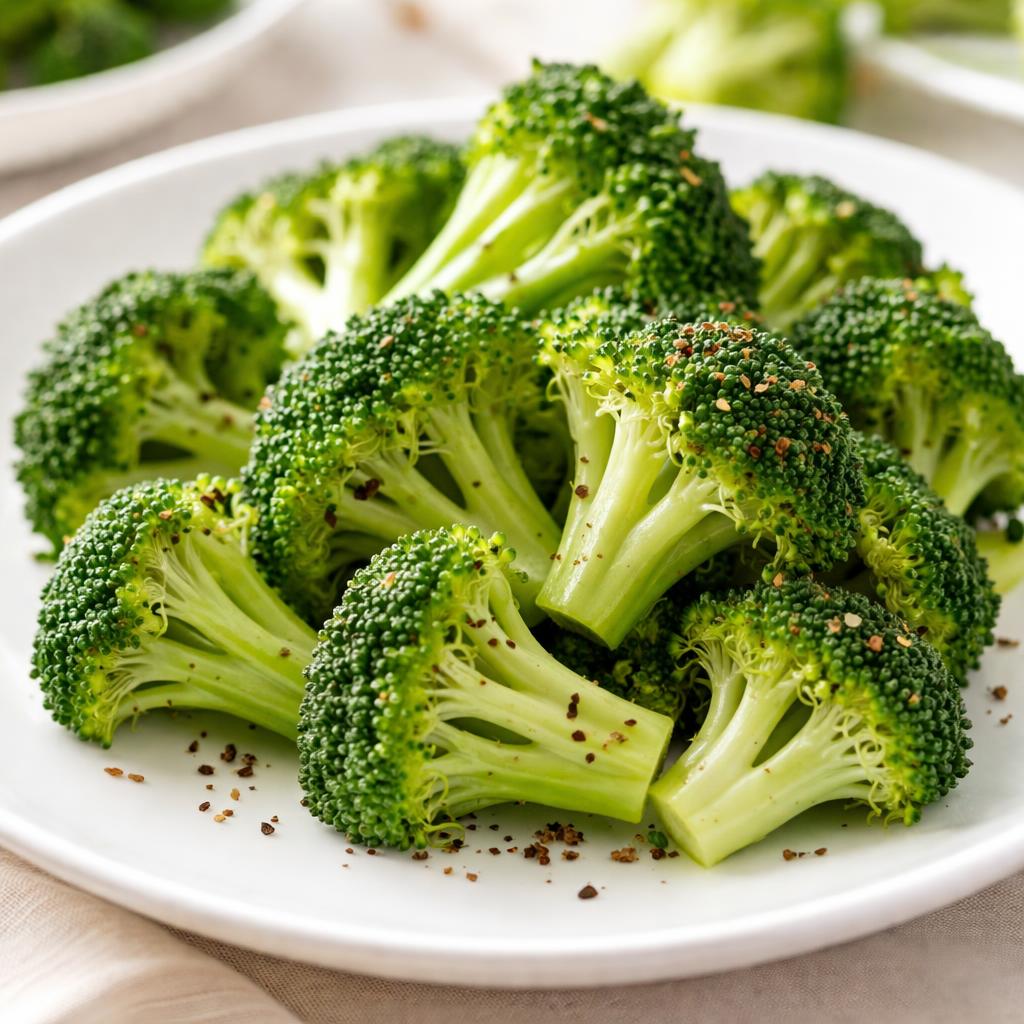
Broccoli
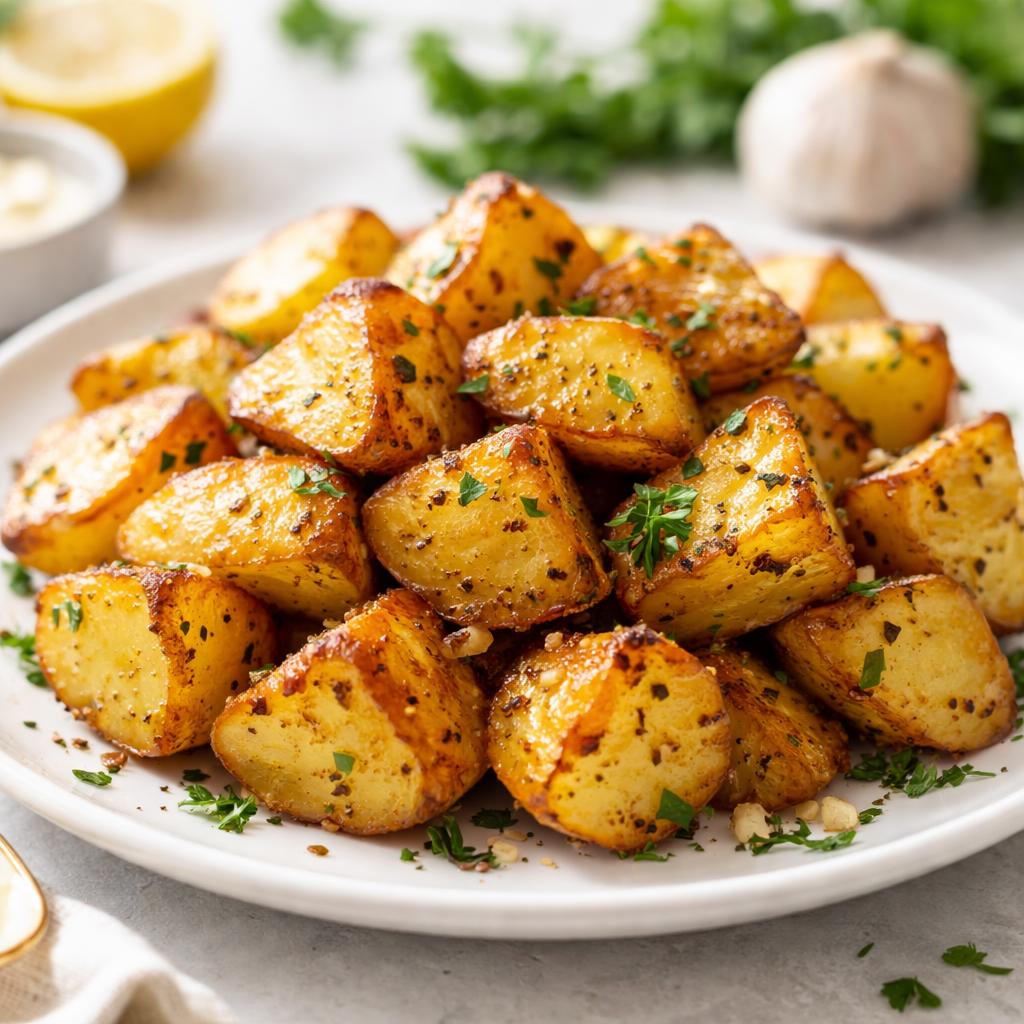
Roasted Potatoes
🎯 Quick Verdict
Broccoli stands out as a lower-calorie, higher-protein, and fiber-rich vegetable compared to roasted potatoes, which are higher in calories and carbohydrates. Broccoli is ideal for weight management and nutrient density, while roasted potatoes deliver energy-dense carbohydrates suitable for active lifestyles or endurance activities.

Smart Nutrition Tracking with SnapCalorie

📊 Nutritional Comparison
Macronutrients
| Nutrient | Food 1 | Food 2 | Winner |
|---|---|---|---|
| Calories | 55 | 200 | ✓ |
| Protein | 4g | 4g | − |
| Carbs | 11g | 37g | ✓ |
| Fat | 0.5g | 5g | ✓ |
| Fiber | 4g | 3g | ✓ |
Vitamins & Minerals
| Nutrient | Food 1 | Food 2 | Winner |
|---|---|---|---|
| Vitamin C | 81mg (90% DV) | 12mg (13% DV) | ✓ |
| Vitamin A | 567 IU | 0 IU | ✓ |
| Calcium | 47mg | 10mg | ✓ |
| Iron | 1mg | 0.7mg | ✓ |
🏆 Category Winners
Protein
Both foods provide 4g of protein.
Fiber
Broccoli contains 33% more fiber than roasted potatoes.
Calories
Broccoli has significantly fewer calories, making it better for weight management.
Vitamins
Broccoli is notably richer in vitamin C, vitamin A, and other essential micronutrients.
🥗 Diet Compatibility
Keto
Food 1: Compatible
Food 2: Not Compatible
Broccoli is lower-carb (11g per serving) compared to potatoes.
Vegan
Food 1: Compatible
Food 2: Compatible
Both foods are plant-based.
Gluten Free
Food 1: Compatible
Food 2: Compatible
Neither food contains gluten.
Paleo
Food 1: Compatible
Food 2: Compatible
Both are naturally paleo-friendly.
Low Carb
Food 1: Compatible
Food 2: Not Compatible
Broccoli is lower in carbohydrates compared to roasted potatoes.
💪 Health Benefits Comparison
Food 1 Benefits
- Rich in vitamin C for immune health
- High in fiber for improved digestion
- Low-calorie food suitable for weight management
- Contains antioxidants for reducing inflammation
Food 2 Benefits
- Energy-dense carbohydrates for sustained energy
- Good source of potassium for heart and muscle health
- Contains some fiber for digestion
- Provides healthy fats when prepared with olive oil
✅ The Bottom Line
Broccoli is a nutrient-dense, lower-calorie option suitable for weight loss, digestion, and overall health. Roasted potatoes, on the other hand, are ideal as an energy-boosting food for active individuals or endurance athletes. Choose broccoli for light meals or nutrient density, and roasted potatoes for fueling physical activity or adding heartiness to meals.
Choose Food 1 for: Weight loss, nutrient density, vegan diets, low-carb eating
Choose Food 2 for: Energy boost, endurance activities, hearty meals


