Broccoli VS Roasted Cauliflower
A detailed nutritional comparison
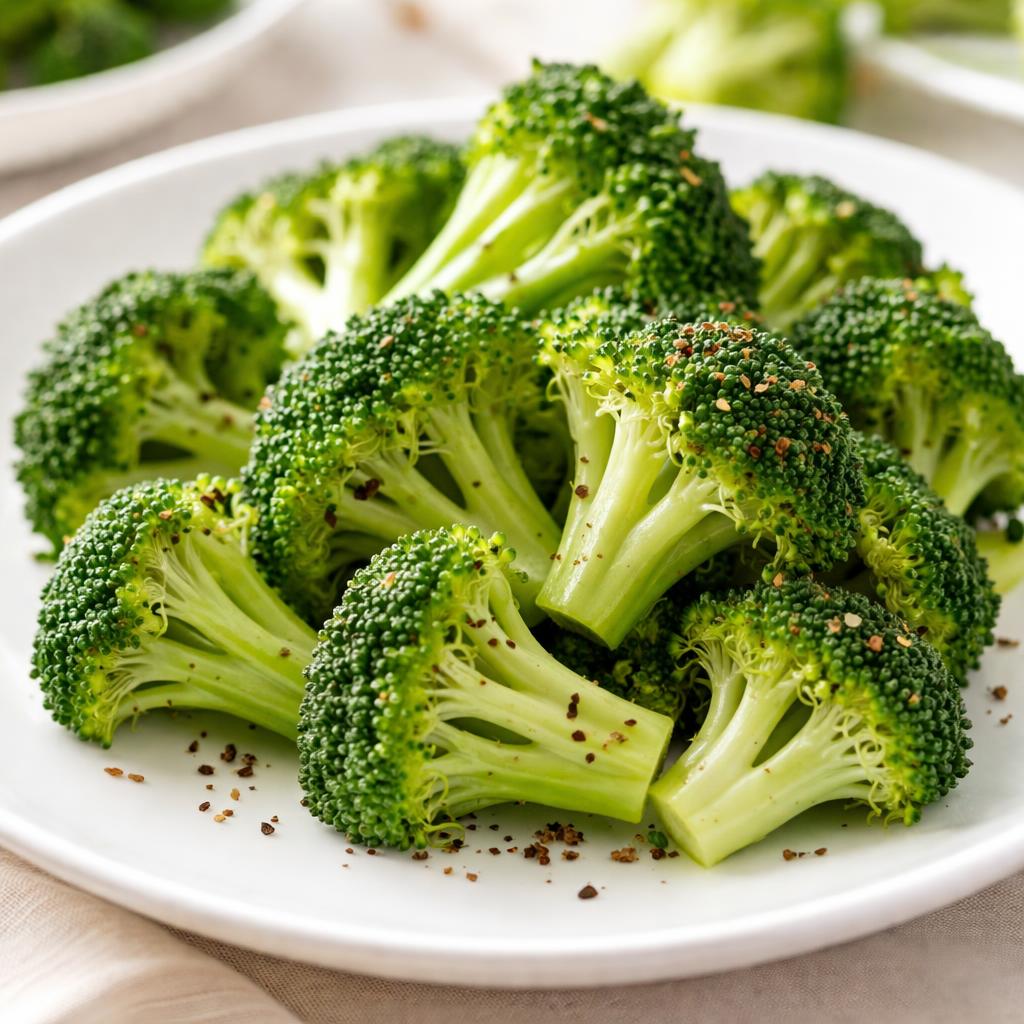
Broccoli

Roasted Cauliflower
🎯 Quick Verdict
Broccoli and roasted cauliflower are both nutrient-rich vegetables, but broccoli generally has higher amounts of protein, fiber, and many vitamins, while being lower in calories. Roasted cauliflower provides slightly more healthy fats, making it useful for energy-dense meals. Choose broccoli for overall nutritional density, especially in high-protein or weight-loss diets, and opt for cauliflower for culinary variety or roasted flavor profiles.

Smart Nutrition Tracking with SnapCalorie

📊 Nutritional Comparison
Macronutrients
| Nutrient | Food 1 | Food 2 | Winner |
|---|---|---|---|
| Calories | 55 kcal | 71 kcal (roasted) | ✓ |
| Protein | 4.7g | 2.0g | ✓ |
| Carbs | 11.2g | 5g | ✓ |
| Fat | 0.5g | 4g (roasted with oil) | ✓ |
| Fiber | 4.7g | 2.5g | ✓ |
Vitamins & Minerals
| Nutrient | Food 1 | Food 2 | Winner |
|---|---|---|---|
| Vitamin C | 89.2mg | 28mg | ✓ |
| Vitamin A | 623 IU | 0 IU | ✓ |
| Vitamin K | 93mcg | 15.5mcg | ✓ |
| Vitamin B6 | 0.2mg | 0.2mg | − |
🏆 Category Winners
Protein
Broccoli has significantly more protein with 4.7g per serving, whereas cauliflower only provides 2g per serving.
Fiber
Broccoli offers nearly twice as much fiber (4.7g per serving) compared to cauliflower (2.5g).
Calories
Broccoli is lower in calories with only 55 kcal per serving versus roasted cauliflower at 71 kcal.
Vitamins
Broccoli contains higher amounts of Vitamin C, Vitamin K, and Vitamin A; it is nutritionally denser in vitamins overall.
🥗 Diet Compatibility
Keto
Food 1: Compatible
Food 2: Compatible
Both are low-carb vegetables suitable for keto diets.
Vegan
Food 1: Compatible
Food 2: Compatible
Both vegetables are plant-based and vegan-friendly.
Gluten Free
Food 1: Compatible
Food 2: Compatible
Both broccoli and roasted cauliflower are naturally free of gluten.
Paleo
Food 1: Compatible
Food 2: Compatible
Both are whole foods and align with paleo principles.
Low-Carb
Food 1: Compatible
Food 2: Compatible
Both are low in carbohydrates, though roasted cauliflower may vary slightly with added ingredients.
💪 Health Benefits Comparison
Food 1 Benefits
- Excellent source of vitamin C for immune function.
- Rich in vitamin K for bone health and healing.
- High in fiber to support healthy digestion.
- Moderate protein content for muscle maintenance.
Food 2 Benefits
- Provides antioxidants to help combat inflammation.
- Good source of B vitamins for energy metabolism.
- Contains healthy fats when roasted with olive oil.
- Supports heart health due to its potassium content.
✅ The Bottom Line
Broccoli is the clear winner in overall nutrition, with higher protein, fiber, and essential vitamins, making it ideal for weight loss, general health, or boosting immunity. Roasted cauliflower, while slightly less nutrient-dense, offers versatility in cooking with a nutty flavor, and can be included in heart-healthy or energy-dense meals.
Choose Food 1 for: Weight loss, immune health, high-fiber diets
Choose Food 2 for: Heart health, energy-dense meals, savory roasted flavor


