Broccoli VS Rice Pilaf
A detailed nutritional comparison
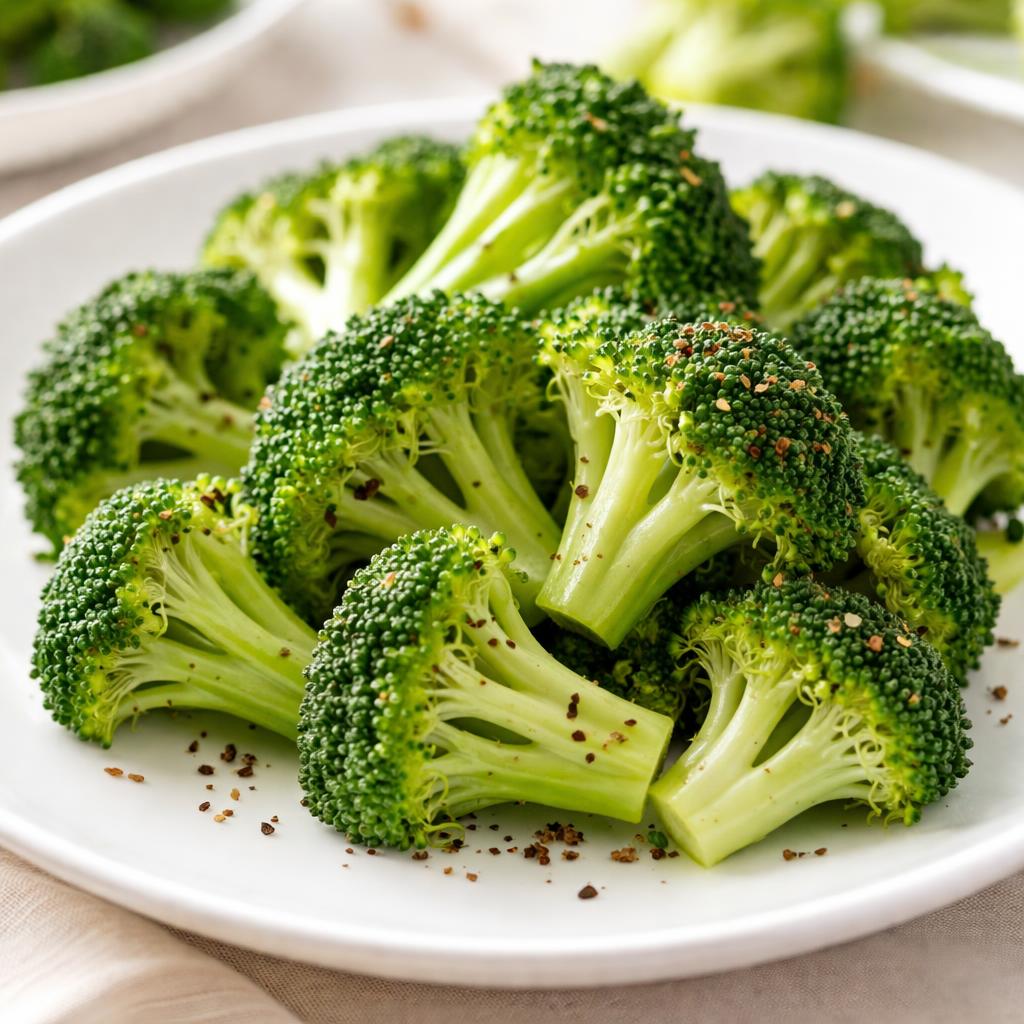
Broccoli
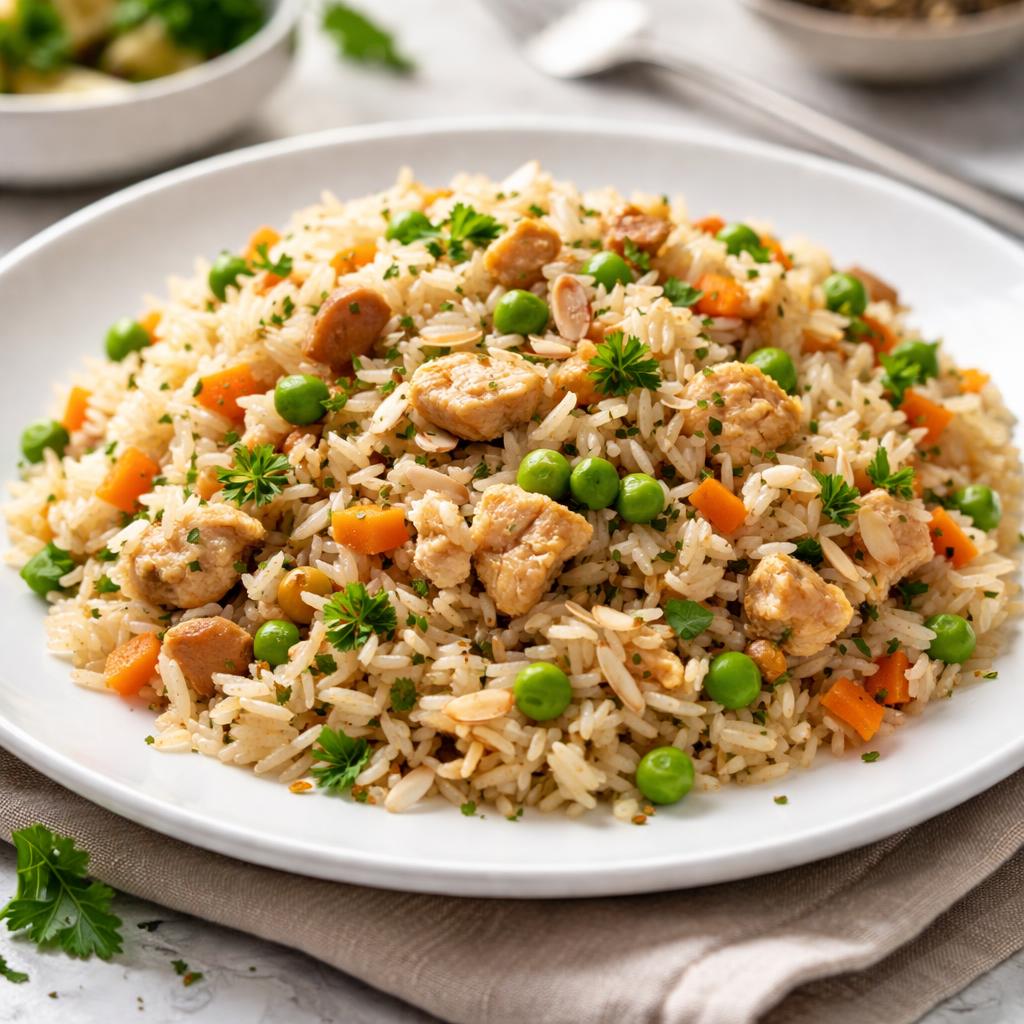
Rice Pilaf
🎯 Quick Verdict
Broccoli outperforms rice pilaf in most nutritional categories, including protein, fiber, and calorie content. Rice pilaf provides more carbohydrates and is better suited for energy-dense meals, while broccoli is ideal for weight management and nutrient-rich diets due to its superior vitamin content and lower calorie count.

Smart Nutrition Tracking with SnapCalorie

📊 Nutritional Comparison
Macronutrients
| Nutrient | Food 1 | Food 2 | Winner |
|---|---|---|---|
| Calories | 55 | 220 | ✓ |
| Protein | 4.7g | 5g | − |
| Carbs | 11g | 40g | ✓ |
| Fat | 0.3g | 5g | ✓ |
| Fiber | 2.4g | 1g | ✓ |
Vitamins & Minerals
| Nutrient | Food 1 | Food 2 | Winner |
|---|---|---|---|
| Vitamin C | 89.2mg | 0.5mg | ✓ |
| Vitamin K | 101.6mcg | 0.1mcg | ✓ |
| Vitamin A | 623IU | 20IU | ✓ |
🏆 Category Winners
Protein
Both foods provide approximately equal levels of protein per serving.
Fiber
Broccoli offers more than twice the fiber of rice pilaf.
Calories
Broccoli is significantly lower in calories than rice pilaf.
Vitamins
Broccoli is higher in essential vitamins like C, K, and A compared to rice pilaf.
🥗 Diet Compatibility
Keto
Food 1: Compatible
Food 2: Not Compatible
Broccoli is low-carb and fits a keto diet, while rice pilaf is high in carbs.
Vegan
Food 1: Compatible
Food 2: Compatible
Both foods are plant-based.
Gluten Free
Food 1: Compatible
Food 2: Depends
Broccoli is naturally gluten-free, but rice pilaf may contain gluten depending on preparation.
Paleo
Food 1: Compatible
Food 2: Not Compatible
Broccoli fits a paleo diet, while rice pilaf does not due to processed grains.
Low-Carb
Food 1: Compatible
Food 2: Not Compatible
Broccoli is low in carbs, while rice pilaf is carb-dense.
💪 Health Benefits Comparison
Food 1 Benefits
- Rich in vitamin C, supporting immune function.
- High in fiber for improved gut health.
- Contains antioxidants that combat inflammation.
- Low in calories, aiding weight management.
Food 2 Benefits
- Provides sustained energy through complex carbohydrates.
- Contains small amounts of iron and B vitamins.
- May be enriched with added nutrients if store-bought.
✅ The Bottom Line
Broccoli is the better choice for those seeking a nutrient-dense, low-calorie, high-fiber food suitable for weight loss and general health. Rice pilaf’s high carbohydrate content makes it ideal for individuals needing energy-dense meals or fueling activity. Choose broccoli for health-focused, low-carb diets and rice pilaf for energy-rich meals.
Choose Food 1 for: Weight management, immune support, fiber intake
Choose Food 2 for: Energy-dense meals, post-endurance activities, carb-focused diets


