Broccoli VS Red Wine
A detailed nutritional comparison
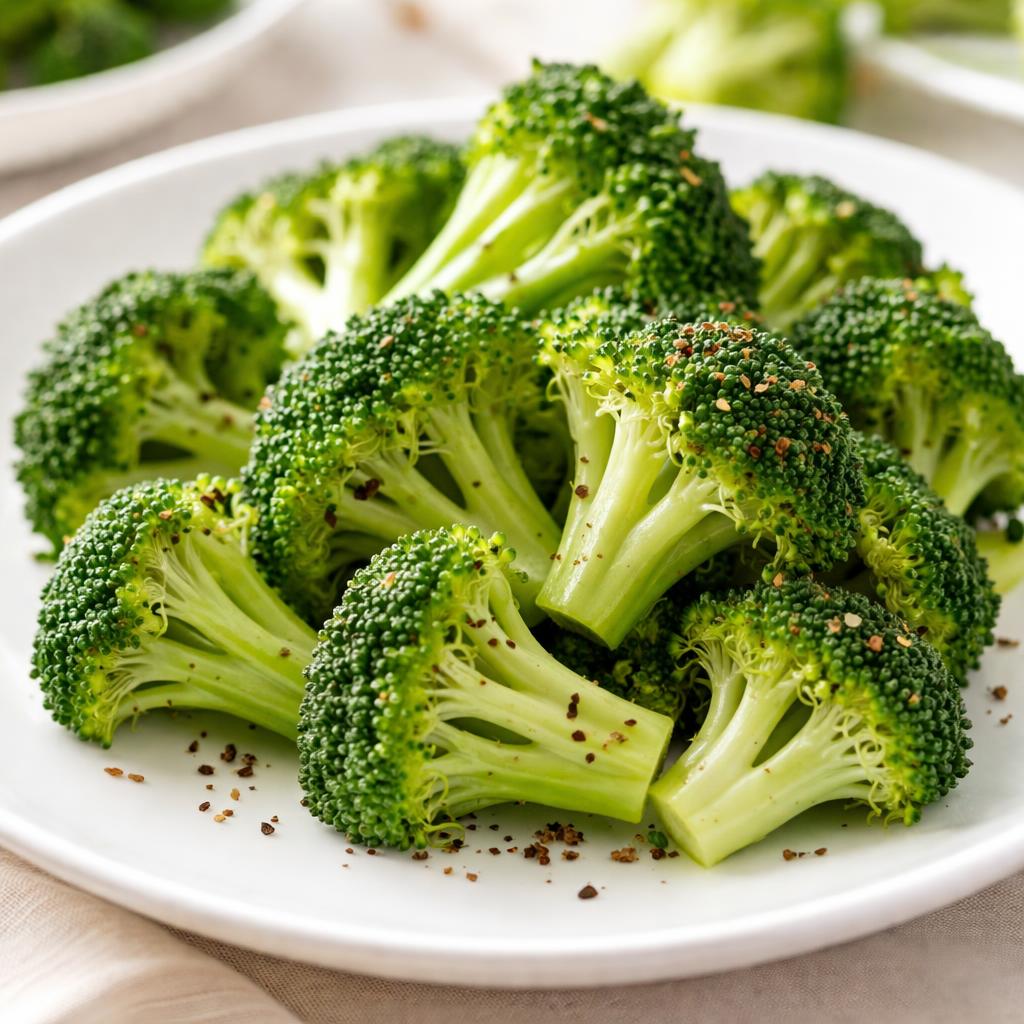
Broccoli
Red Wine
🎯 Quick Verdict
Broccoli is a nutrient-dense vegetable high in fiber, vitamins, and antioxidants with fewer calories, making it ideal for overall health and weight management. Red wine, while not nutrient-dense, offers antioxidants like resveratrol and is associated with heart health when consumed in moderation. Broccoli is better for daily nutrition, while red wine is occasionally enjoyed for its health perks in small amounts.

Smart Nutrition Tracking with SnapCalorie

📊 Nutritional Comparison
Macronutrients
| Nutrient | Food 1 | Food 2 | Winner |
|---|---|---|---|
| Calories | 34 | 125 | ✓ |
| Protein | 2.8g | 0.1g | ✓ |
| Carbs | 6.6g | 3.8g | ✓ |
| Fat | 0.4g | 0g | ✓ |
| Fiber | 2.6g | 0g | ✓ |
Vitamins & Minerals
| Nutrient | Food 1 | Food 2 | Winner |
|---|---|---|---|
| Vitamin C | 89mg | 0mg | ✓ |
| Vitamin K | 101mcg | 0.2mcg | ✓ |
| Potassium | 316mg | 99mg | ✓ |
🏆 Category Winners
Protein
Broccoli provides significantly more protein (2.8g vs 0.1g).
Fiber
Broccoli offers 2.6g of fiber, whereas red wine has none.
Calories
Broccoli is much lower in calories, ideal for weight management (34 calories vs 125 calories per serving).
🥗 Diet Compatibility
Keto
Food 1: Compatible
Food 2: Low Compatibility
Broccoli is low-carb (6.6g per serving), while red wine contains sugars that may not fit strict keto regimes.
Vegan
Food 1: Compatible
Food 2: Compatible
Both foods fit vegan diets.
Gluten Free
Food 1: Compatible
Food 2: Compatible
Neither contains gluten.
Paleo
Food 1: Compatible
Food 2: Not Compatible
Broccoli aligns with paleo guidelines, while wine is excluded due to refined processing.
Low Carb
Food 1: Compatible
Food 2: Moderately Compatible
Broccoli is low in carbs, though red wine has a small amount of residual sugar.
💪 Health Benefits Comparison
Food 1 Benefits
- Rich source of vitamins like C and K for immune and bone health.
- High fiber content aids digestion and promotes satiety.
- Contains antioxidants that reduce oxidative stress.
- Low calorie and nutrient-dense, great for weight loss.
Food 2 Benefits
- Contains resveratrol, an antioxidant linked to heart health.
- May support healthy cholesterol levels when consumed moderately.
- Provides small amounts of potassium for electrolyte balance.
- Moderate alcohol consumption associated with reduced risk of heart disease.
✅ The Bottom Line
Broccoli is unbeatable for everyday nutrition due to its dense vitamin, fiber, and protein content. It's ideal for weight loss, overall health, and digestive support. Red wine can be enjoyed in moderation for its antioxidants and potential heart health effects, but it’s not a primary nutrient source.
Choose Food 1 for: Everyday nutrition, weight management, immune support, digestion
Choose Food 2 for: Occasional indulgence, heart health support, social occasions


