Broccoli VS Potatoes
A detailed nutritional comparison
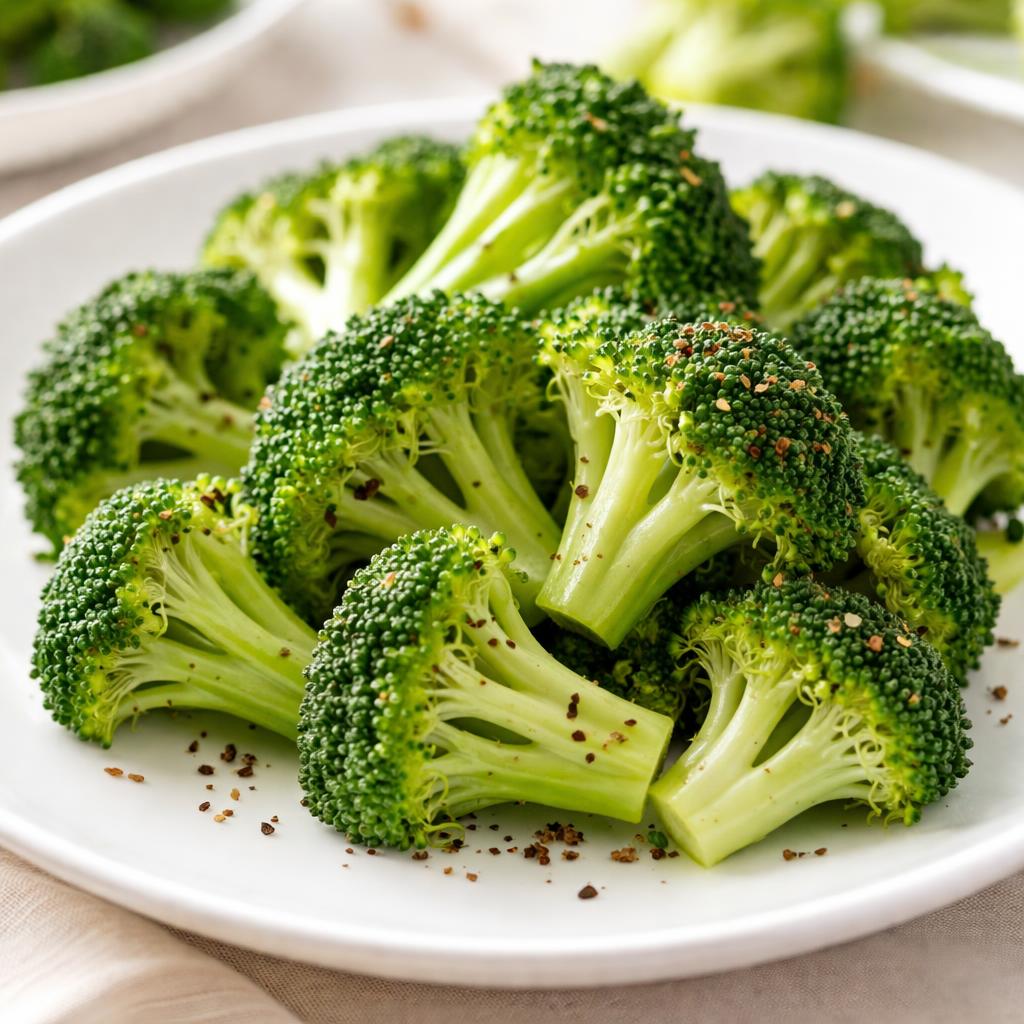
Broccoli
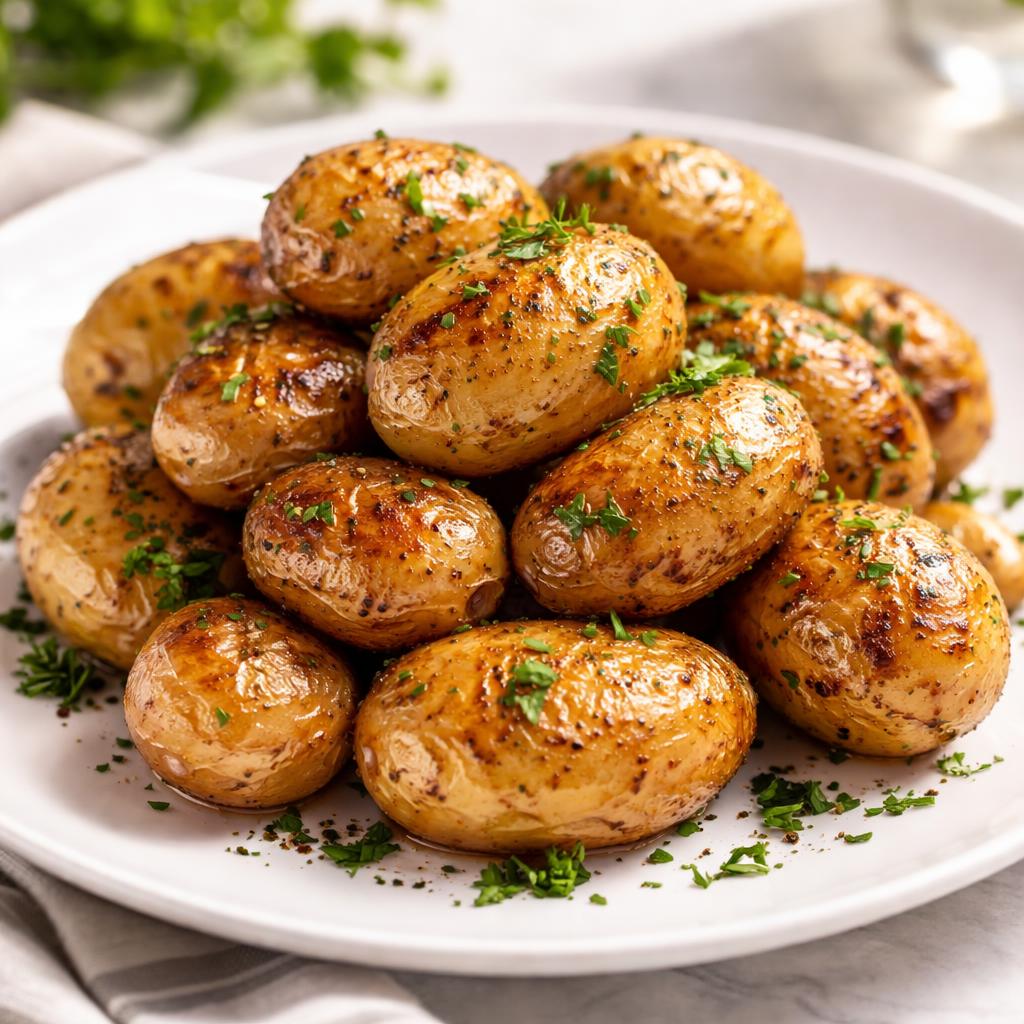
Potatoes
🎯 Quick Verdict
Broccoli is a nutrient-dense vegetable that excels in protein and fiber content while offering fewer calories. Potatoes, in contrast, provide a higher energy source from complex carbohydrates and valuable minerals. Broccoli suits weight-loss diets and nutrient-dense meals, whereas potatoes offer sustained energy and versatility in cooking applications.

Smart Nutrition Tracking with SnapCalorie

📊 Nutritional Comparison
Macronutrients
| Nutrient | Food 1 | Food 2 | Winner |
|---|---|---|---|
| Calories | 50 per 100g | 77 per 100g | ✓ |
| Protein | 4.3g per 100g | 2g per 100g | ✓ |
| Carbs | 4.7g per 100g | 17g per 100g | ✓ |
| Fat | 0.2g per 100g | 0.1g per 100g | − |
| Fiber | 2.6g per 100g | 2.2g per 100g | ✓ |
Vitamins & Minerals
| Nutrient | Food 1 | Food 2 | Winner |
|---|---|---|---|
| Vitamin C | 89mg per 100g | 19.7mg per 100g | ✓ |
| Vitamin D | 0mcg per 100g | 0mcg per 100g | − |
| Iron | 1mg per 100g | 0.8mg per 100g | ✓ |
| Potassium | 316mg per 100g | 425mg per 100g | ✓ |
| Calcium | 47mg per 100g | 10mg per 100g | ✓ |
🏆 Category Winners
Protein
Broccoli contains over twice as much protein as potatoes.
Fiber
Broccoli provides slightly more fiber per serving.
Calories
Broccoli has fewer calories per 100g serving.
Vitamins
Broccoli is richer in Vitamin C, calcium, and iron than potatoes.
🥗 Diet Compatibility
Keto
Food 1: Compatible
Food 2: Not Compatible
Broccoli is low-carb while potatoes are high in carbohydrates.
Vegan
Food 1: Compatible
Food 2: Compatible
Both are plant-based and suitable for vegans.
Gluten Free
Food 1: Compatible
Food 2: Compatible
Neither contains gluten.
Paleo
Food 1: Compatible
Food 2: Compatible
Both fit Paleo dietary guidelines.
Low-Carb
Food 1: Compatible
Food 2: Not Compatible
Broccoli is low in carbohydrates, whereas potatoes are higher-carb.
💪 Health Benefits Comparison
Food 1 Benefits
- High in fiber, supporting healthy digestion.
- Rich in vitamin C for immune system support.
- Contains antioxidants that reduce inflammation.
- Low calorie density, aiding weight management.
Food 2 Benefits
- Great source of potassium for heart and muscle health.
- Provides energy from complex carbohydrates.
- Contains B vitamins that support energy metabolism.
- Versatile in cooking and good for sustained energy.
✅ The Bottom Line
Broccoli is ideal for weight-loss diets, nutrient-dense options, and keto-friendly meals, while potatoes are best suited for energy-demanding diets or as a filling side dish. Both offer unique benefits depending on dietary priorities.
Choose Food 1 for: Weight management, keto, nutrient density, digestion
Choose Food 2 for: Sustained energy, versatile recipes, higher potassium needs


