Broccoli VS Pizza
A detailed nutritional comparison
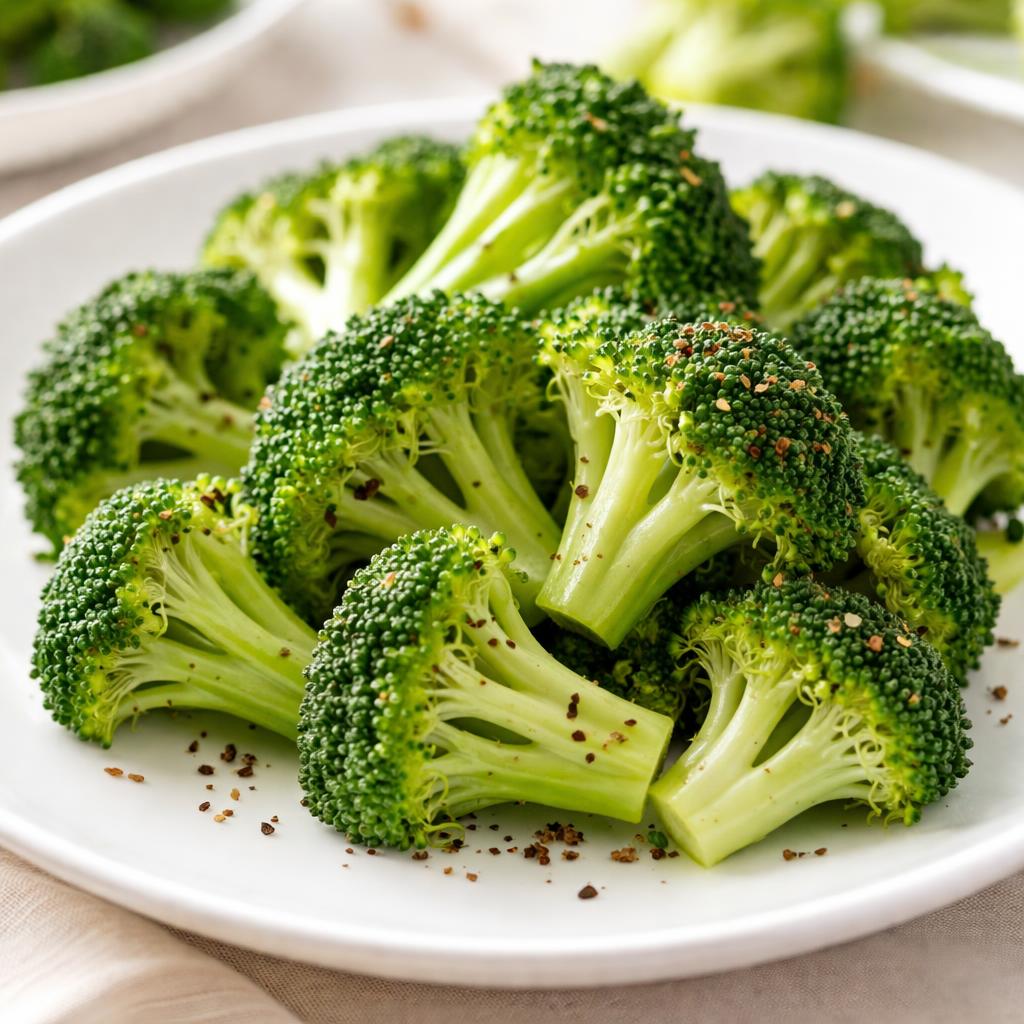
Broccoli
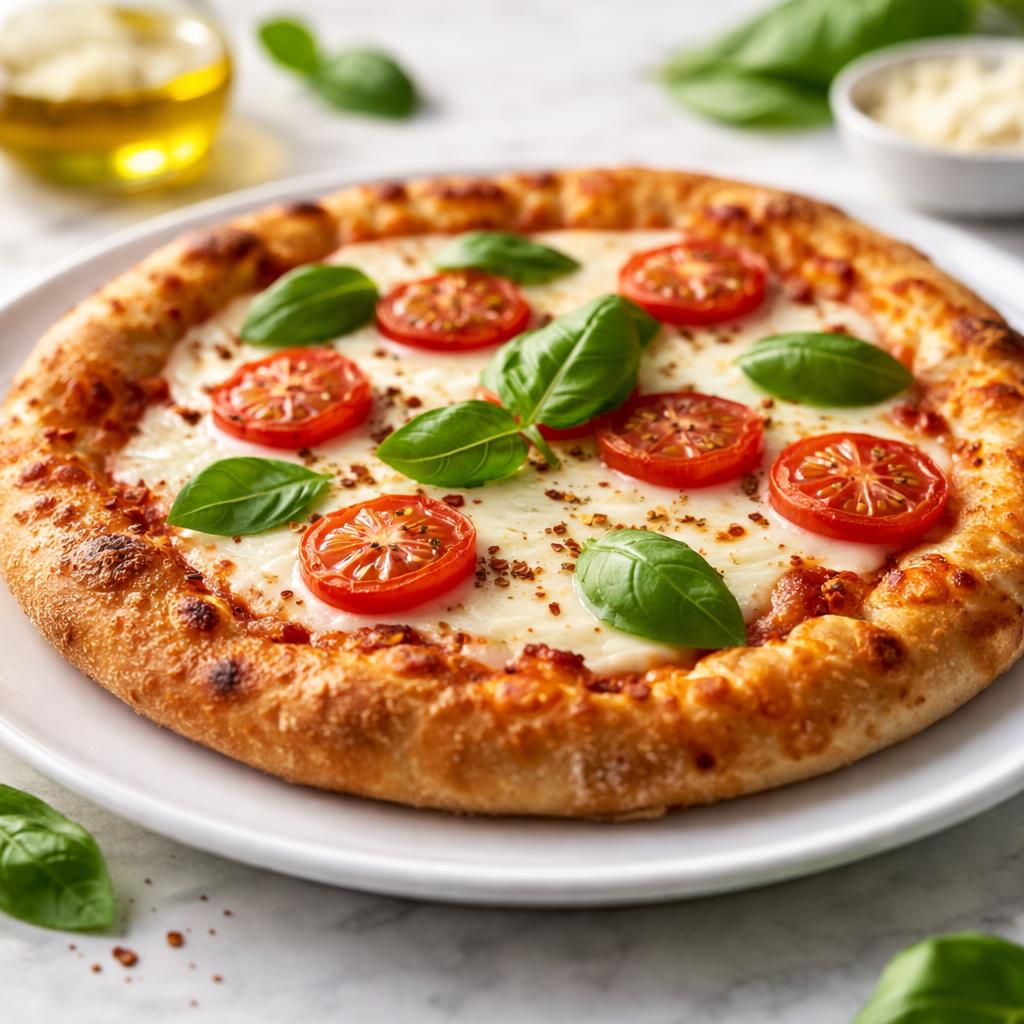
Pizza
🎯 Quick Verdict
Broccoli is a nutrient-dense vegetable low in calories, high in fiber, and rich in vitamins. Pizza, while enjoyable and calorie-dense, lacks fiber, has fewer vitamins, and is higher in fat. Choose broccoli for health-focused eating and pizza for occasional indulgence or high-calorie needs.

Smart Nutrition Tracking with SnapCalorie

📊 Nutritional Comparison
Macronutrients
| Nutrient | Food 1 | Food 2 | Winner |
|---|---|---|---|
| Calories | 55 (per 100g) | 266 (per slice, ~100g) | ✓ |
| Protein | 3.7g (per 100g) | 10g (per slice, ~100g) | ✓ |
| Carbs | 11.2g (per 100g) | 33g (per slice, ~100g) | ✓ |
| Fat | 0.6g (per 100g) | 10g (per slice, ~100g) | ✓ |
| Fiber | 2.6g (per 100g) | 1.3g (per slice, ~100g) | ✓ |
Vitamins & Minerals
| Nutrient | Food 1 | Food 2 | Winner |
|---|---|---|---|
| Vitamin C | 89.2mg (per 100g) | less than 1mg | ✓ |
| Vitamin K | 101.6mcg (per 100g) | not significant | ✓ |
| Calcium | 47mg (per 100g) | 188mg (per slice, ~100g) | ✓ |
| Iron | 0.73mg (per 100g) | 2mg (per slice, ~100g) | ✓ |
🏆 Category Winners
Protein
Pizza has nearly triple the protein per serving compared to broccoli due to cheese and toppings.
Fiber
Broccoli offers double the fiber per 100g compared to pizza, aiding digestion.
Calories
Broccoli is significantly lower in calories, making it suitable for weight management.
Vitamins
Broccoli is richer in key vitamins like Vitamin C and Vitamin K essential for immunity and blood health.
🥗 Diet Compatibility
Keto
Food 1: Compatible
Food 2: Not Compatible
Broccoli is low-carb (11.2g per serving), while pizza is high-carb.
Vegan
Food 1: Compatible
Food 2: Not Compatible
Broccoli is plant-based, while pizza generally contains cheese and meat.
Gluten Free
Food 1: Compatible
Food 2: Not Compatible
Broccoli is naturally gluten-free, while pizza typically contains wheat-based crust.
Paleo
Food 1: Compatible
Food 2: Not Compatible
Broccoli is whole and unprocessed, while pizza includes processed ingredients.
Low Carb
Food 1: Compatible
Food 2: Not Compatible
Broccoli is low-carb, while pizza is high in carbs due to its crust.
💪 Health Benefits Comparison
Food 1 Benefits
- Rich in antioxidants for cell protection.
- Supports immunity with high Vitamin C.
- Helps digestion and weight management with fiber.
- Contains phytonutrients that reduce inflammation.
Food 2 Benefits
- Provides calcium for bone health.
- Offers energy via higher calorie content, ideal for physically active individuals.
- Contains iron for oxygen transport in the blood.
- May be fortified with protein from cheese and meat.
✅ The Bottom Line
Choose broccoli for its nutrient density, low calorie content, and compatibility with most diets. Pizza is best enjoyed occasionally, offering more calories and protein but fewer vitamins and fiber. Both have distinct roles depending on dietary goals.
Choose Food 1 for: Weight loss, immune support, low-carb diets
Choose Food 2 for: Calorie-dense meals, post-workout recovery, quick convenience


