Broccoli VS Pesto
A detailed nutritional comparison
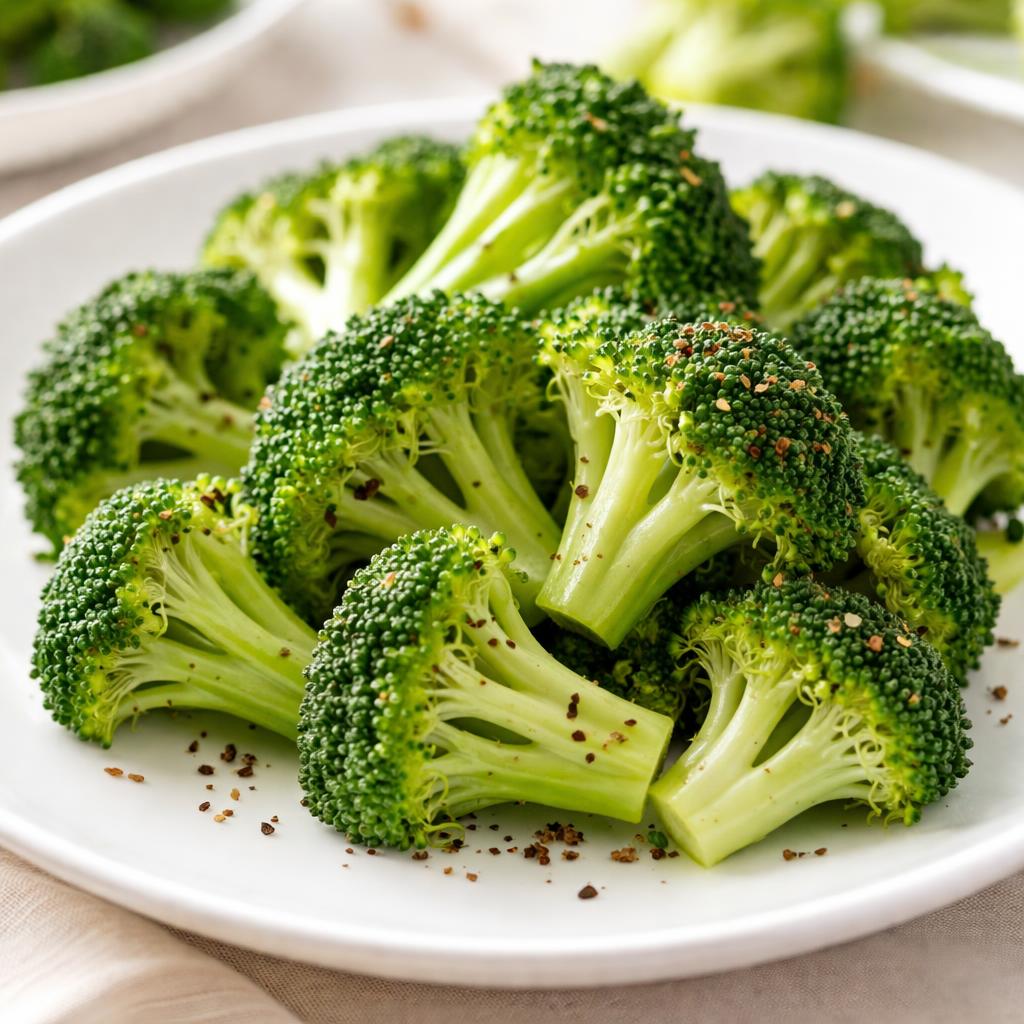
Broccoli
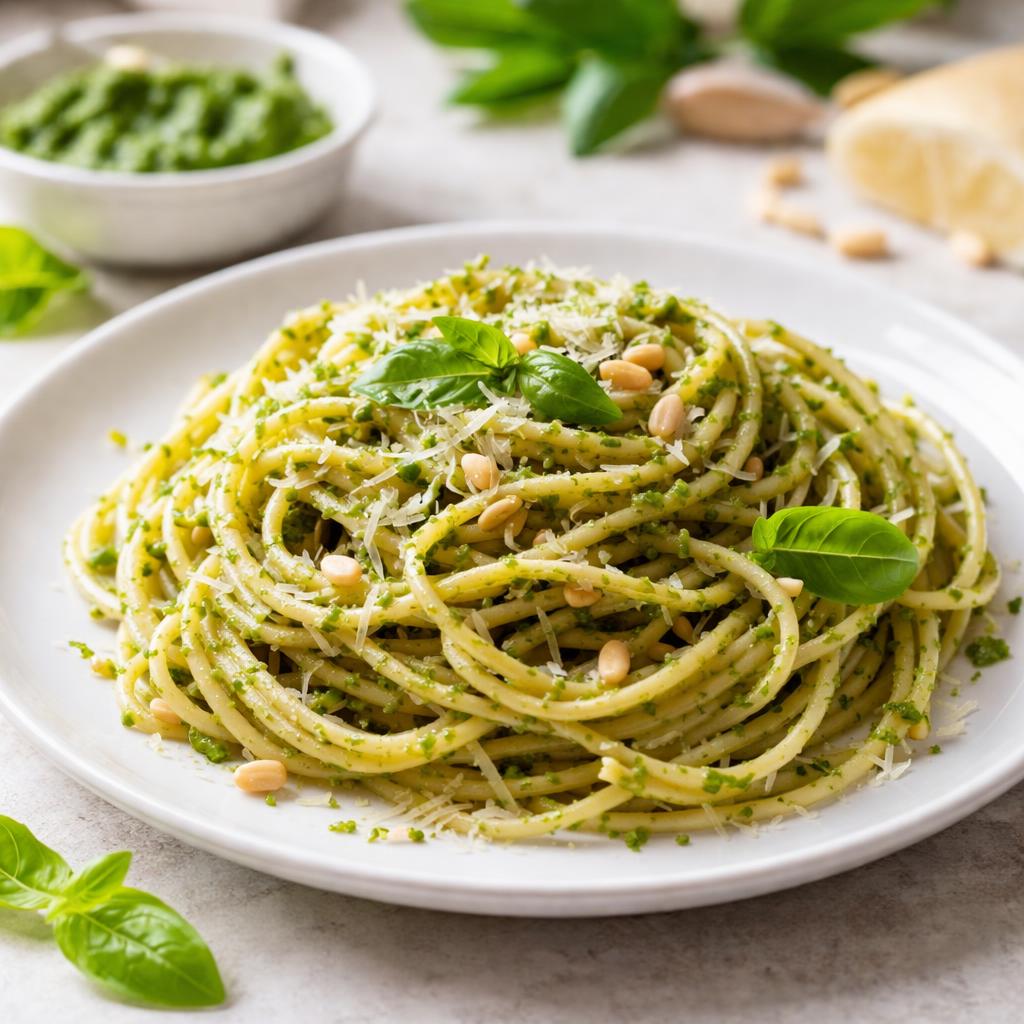
Pesto
🎯 Quick Verdict
Broccoli is a lower-calorie, nutrient-dense vegetable packed with fiber, vitamins, and protein. Pesto, though higher in calories and fats, delivers heart-healthy monounsaturated fats and antioxidants. Broccoli suits weight loss and overall nutrition, while pesto is best for adding healthy fats and flavor to meals.

Smart Nutrition Tracking with SnapCalorie

📊 Nutritional Comparison
Macronutrients
| Nutrient | Food 1 | Food 2 | Winner |
|---|---|---|---|
| Calories | 55 per 100g | 310 per 100g | ✓ |
| Protein | 4.3g per 100g | 3.8g per 100g | ✓ |
| Carbs | 11.2g per 100g | 6.1g per 100g | ✓ |
| Fat | 0.6g per 100g | 31g per 100g | ✓ |
| Fiber | 2.6g per 100g | 0.9g per 100g | ✓ |
Vitamins & Minerals
| Nutrient | Food 1 | Food 2 | Winner |
|---|---|---|---|
| Vitamin C | 89.2mg per 100g | 0mg per 100g | ✓ |
| Vitamin K | 101.6mcg per 100g | 62mcg per 100g | ✓ |
| Calcium | 47mg per 100g | 90mg per 100g | ✓ |
| Iron | 0.7mg per 100g | 1.3mg per 100g | ✓ |
🏆 Category Winners
Protein
Broccoli has slightly more protein per gram due to its high nutrient density.
Fiber
Broccoli is a high-fiber vegetable, providing nearly triple the fiber compared to pesto.
Calories
Broccoli has significantly fewer calories, making it ideal for weight management.
Vitamins
Broccoli delivers much higher levels of vitamin C and vitamin K compared to pesto.
🥗 Diet Compatibility
Keto
Food 1: Compatible
Food 2: Compatible
Both foods are low in net carbs, although pesto is high in fat and well-suited for keto.
Vegan
Food 1: Compatible
Food 2: Somewhat Compatible
Most pestos use Parmesan cheese, which is not vegan. Vegan pesto substitutes are available.
Gluten Free
Food 1: Compatible
Food 2: Compatible
Neither broccoli nor pesto typically contains gluten, though check labels for pesto.
Paleo
Food 1: Compatible
Food 2: Compatible
Both foods fit paleo guidelines, but ensure pesto contains paleo-approved oils and cheese alternatives.
Low-Carb
Food 1: Compatible
Food 2: Compatible
Both are relatively low in carbohydrates. Pesto is especially suitable for low-carb diets due to its high fat content.
💪 Health Benefits Comparison
Food 1 Benefits
- High in fiber, supports digestive health
- Rich in vitamin C, boosts the immune system
- Contains antioxidants for cellular health
- Low in calories, ideal for weight management
Food 2 Benefits
- High in healthy fats, supports heart health
- Rich in antioxidants from basil and garlic
- Contains calcium for bone health
- Flavorful addition that increases meal satisfaction
✅ The Bottom Line
Choose broccoli for nutrient density, fiber, and a low-calorie option that fits most diets. Opt for pesto to add healthy fats and antioxidants, especially in keto or low-carb meal plans. Both foods serve very different purposes but can complement each other well in a balanced diet.
Choose Food 1 for: Weight loss, overall nutrition, side dishes, fiber-rich meals
Choose Food 2 for: Flavor enhancement, heart health, high-fat diets, meal toppings


