Broccoli VS Olives
A detailed nutritional comparison
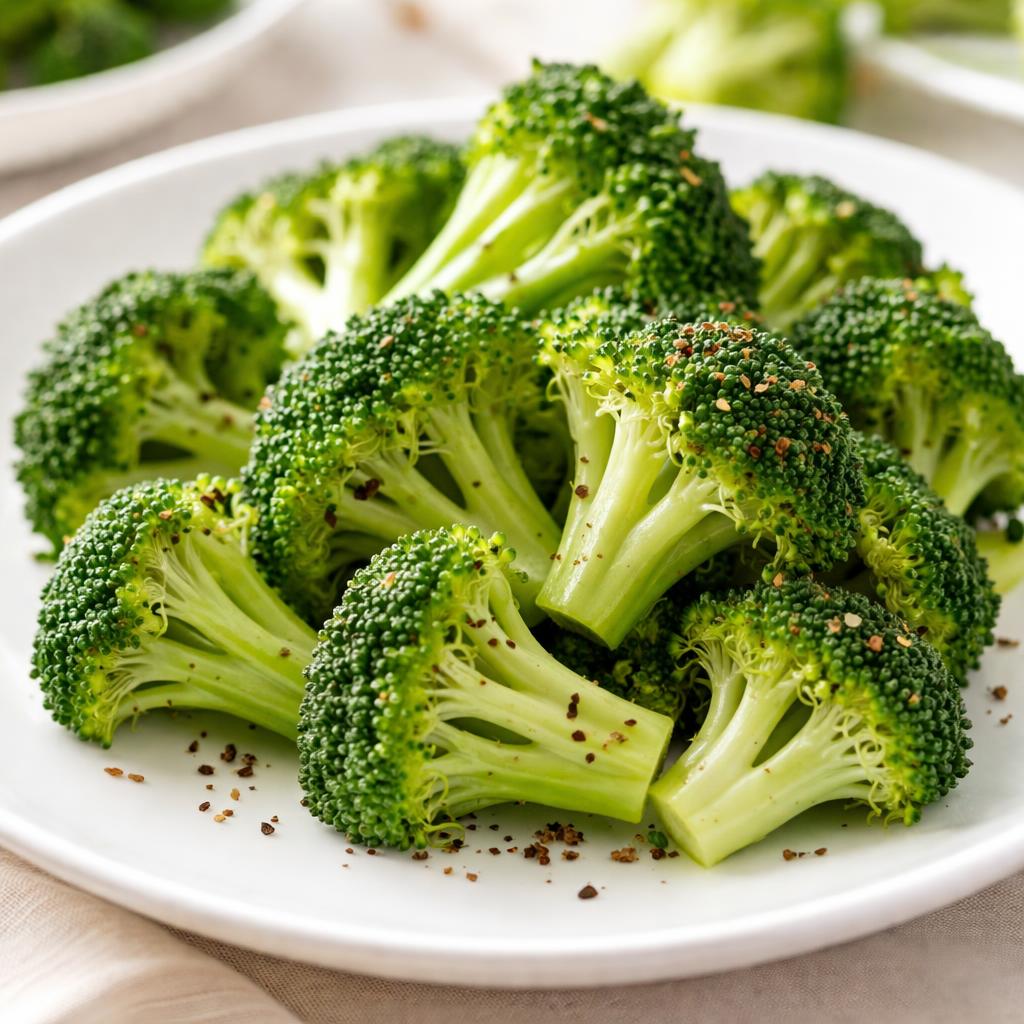
Broccoli
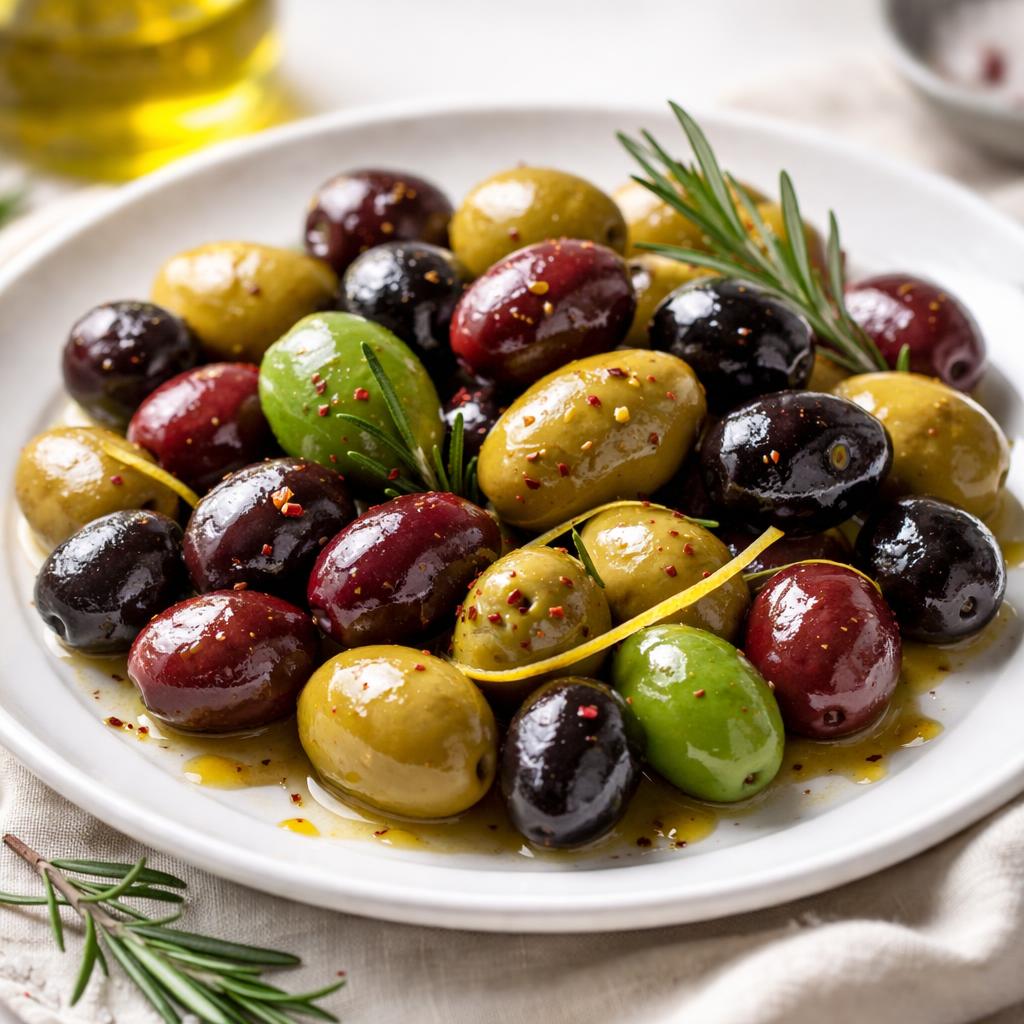
Olives
🎯 Quick Verdict
Broccoli is a lower-calorie, nutrient-dense vegetable with higher protein and fiber content, making it ideal for weight management and digestion. Olives, while richer in healthy fats and antioxidants, are higher in calories and best suited for heart health and sustained energy needs.

Smart Nutrition Tracking with SnapCalorie

📊 Nutritional Comparison
Macronutrients
| Nutrient | Food 1 | Food 2 | Winner |
|---|---|---|---|
| Calories | 55 per 100g | 115 per 100g | ✓ |
| Protein | 3.7g per 100g | 0.8g per 100g | ✓ |
| Carbs | 11.1g per 100g | 6g per 100g | ✓ |
| Fat | 0.6g per 100g | 10.7g per 100g | ✓ |
| Fiber | 3.3g per 100g | 1.5g per 100g | ✓ |
Vitamins & Minerals
| Nutrient | Food 1 | Food 2 | Winner |
|---|---|---|---|
| Vitamin C | 89.2mg per 100g | 0mg per 100g | ✓ |
| Vitamin K | 101.6mcg per 100g | 1.4mcg per 100g | ✓ |
| Calcium | 47mg per 100g | 88mg per 100g | ✓ |
| Iron | 0.7mg per 100g | 3.3mg per 100g | ✓ |
🏆 Category Winners
Protein
Broccoli has nearly 5x more protein per 100g compared to olives.
Fiber
Broccoli offers more than double the amount of fiber per serving.
Calories
Broccoli has less than half the calories of olives per 100g.
Vitamins
Broccoli is significantly higher in vitamin C and K, essential for immunity and bone health.
🥗 Diet Compatibility
Keto
Food 1: Compatible
Food 2: Compatible
Both foods are low in net carbs; olives are fat-rich, making them a keto staple.
Vegan
Food 1: Compatible
Food 2: Compatible
Both foods are plant-based and fit vegan diets.
Gluten Free
Food 1: Compatible
Food 2: Compatible
Neither food contains gluten.
Paleo
Food 1: Compatible
Food 2: Compatible
Both align with paleo principles as whole, unprocessed foods.
Low Carb
Food 1: Compatible
Food 2: Compatible
Broccoli's carbs are mostly fiber, while olives are naturally very low in net carbs.
💪 Health Benefits Comparison
Food 1 Benefits
- Rich in antioxidants like vitamin C for enhanced immunity
- High in fiber to support digestion
- Low in calories, making it ideal for weight management
- Good source of vitamin K for bone health
Food 2 Benefits
- Rich in monounsaturated fats for heart health
- Provides iron for energy production
- Contains polyphenols, which act as antioxidants for anti-inflammatory benefits
- High in minerals like calcium for bone support
✅ The Bottom Line
Broccoli is the better choice for weight management, digestion, and overall nutrient density, while olives excel at providing healthy fats and minerals for heart health and sustained energy. Both foods can enrich a balanced diet depending on your goals.
Choose Food 1 for: Weight management, immunity boost, high-fiber needs
Choose Food 2 for: Heart health, low-carb/keto diets, mineral support


