Broccoli VS Olive Oil
A detailed nutritional comparison
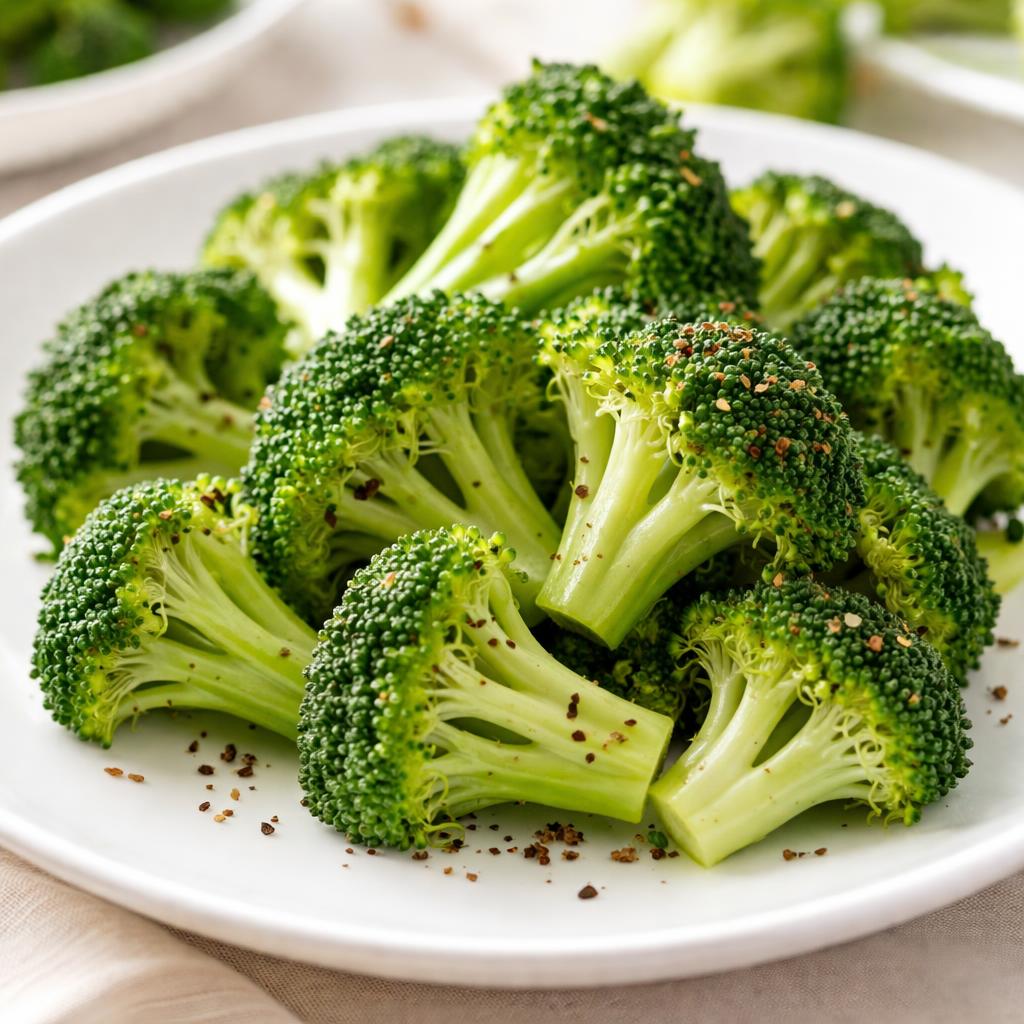
Broccoli
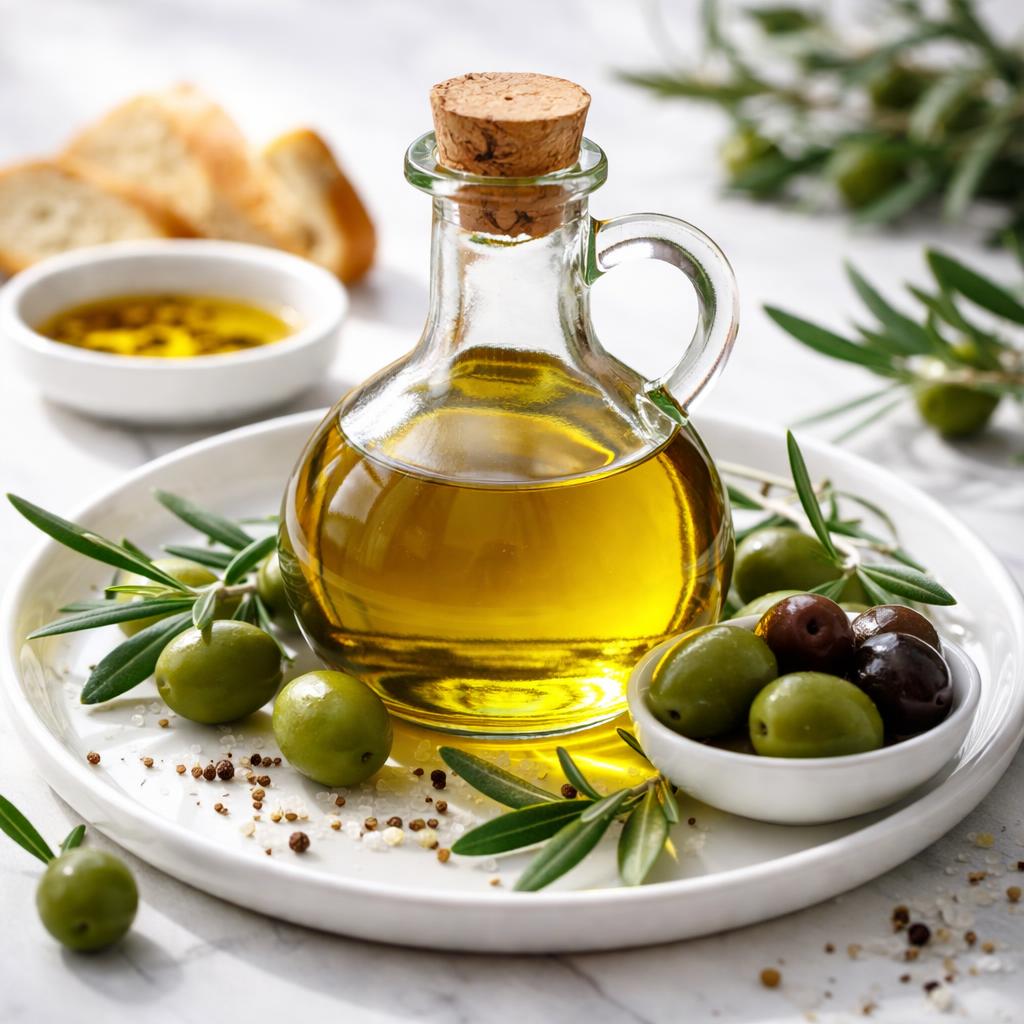
Olive Oil
🎯 Quick Verdict
Broccoli and olive oil serve very different purposes in a diet. Broccoli is nutrient-rich with protein, fiber, and critical vitamins, making it ideal for whole-food meals. Olive oil, while low in protein and fiber, is high in heart-healthy fats and provides concentrated energy, beneficial for dressings and cooking. Choose broccoli for overall nutrition and low calories, and olive oil for healthy fat and flavor addition.

Smart Nutrition Tracking with SnapCalorie

📊 Nutritional Comparison
Macronutrients
| Nutrient | Food 1 | Food 2 | Winner |
|---|---|---|---|
| Calories | 55 per 100g | 884 per 100g | ✓ |
| Protein | 2.8g per 100g | 0g per 100g | ✓ |
| Carbs | 11.2g per 100g | 0g per 100g | ✓ |
| Fat | 0.6g per 100g | 100g per 100g | ✓ |
| Fiber | 2.6g per 100g | 0g per 100g | ✓ |
Vitamins & Minerals
| Nutrient | Food 1 | Food 2 | Winner |
|---|---|---|---|
| Vitamin C | 89mg per 100g | 0mg per 100g | ✓ |
| Vitamin K | 101.6mcg per 100g | 60mcg per 100g | ✓ |
| Vitamin E | 0.78mg per 100g | 14.4mg per 100g | ✓ |
🏆 Category Winners
Protein
Broccoli provides 2.8g of protein per serving, while olive oil has 0g.
Fiber
Broccoli provides 2.6g of fiber, while olive oil contains none.
Calories
Broccoli has only 55 calories per 100g compared to olive oil's 884 calories.
Vitamins
Broccoli excels in Vitamin C and Vitamin K, while olive oil is rich in Vitamin E.
🥗 Diet Compatibility
Keto
Food 1: Not Compatible
Food 2: Compatible
Olive oil is pure fat with zero carbs, while broccoli contains notable carbs.
Vegan
Food 1: Compatible
Food 2: Compatible
Both are plant-based and suitable for vegan diets.
Gluten Free
Food 1: Compatible
Food 2: Compatible
Neither food contains gluten.
Paleo
Food 1: Compatible
Food 2: Compatible
Both align with paleo principles, as they are whole, unprocessed foods.
Low Carb
Food 1: Compatible
Food 2: Compatible
Though higher in carbs, broccoli’s carbs are offset by fiber, and olive oil has no carbs.
💪 Health Benefits Comparison
Food 1 Benefits
- Rich in antioxidants, particularly Vitamin C, for immune support
- Provides fiber to aid digestion and promote gut health
- Contains plant-based protein for muscle maintenance
Food 2 Benefits
- High in monounsaturated fats for heart health
- Rich in Vitamin E to support skin health and fight free radicals
- May help lower inflammation in the body when consumed in moderation
✅ The Bottom Line
Broccoli and olive oil serve distinct roles in a balanced diet. Opt for broccoli when seeking low-calorie, nutrient density for meals, especially in weight loss, high-fiber, or protein-rich diets. Olive oil shines when you need healthy fats and concentrated energy, making it great for cooking, dressings, or keto-focused plans.
Choose Food 1 for: Weight loss, fiber intake, overall nutrient density
Choose Food 2 for: Healthy fat intake, keto diets, heart health and inflammation


