Broccoli VS Mixed Veggies
A detailed nutritional comparison
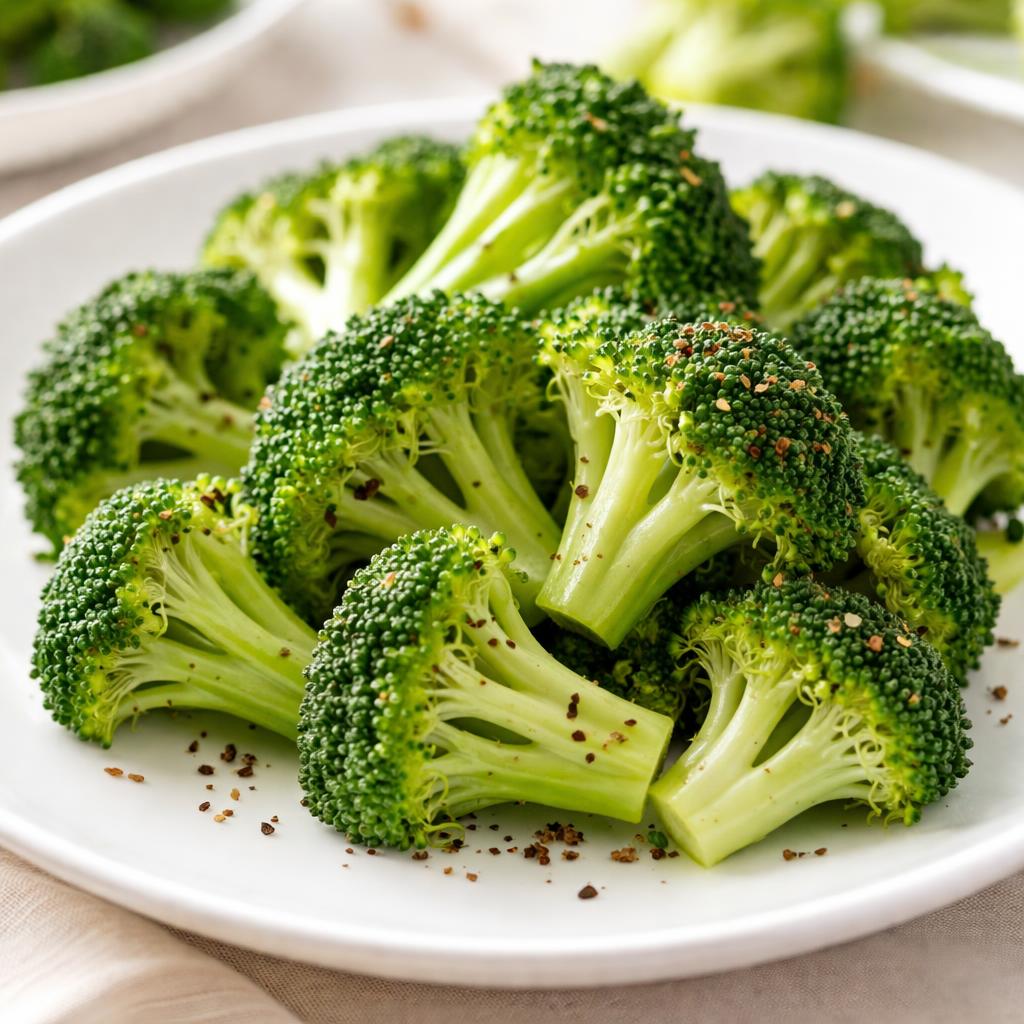
Broccoli
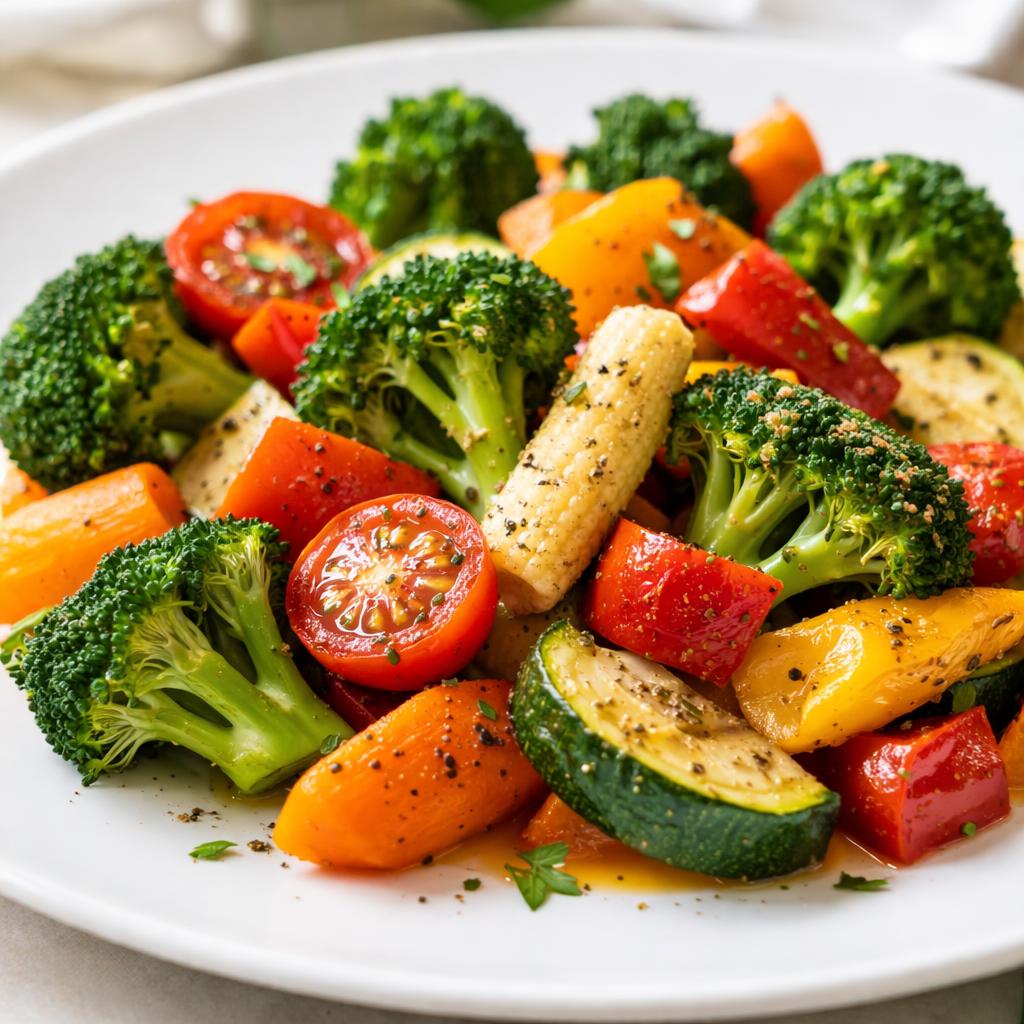
Mixed Veggies
🎯 Quick Verdict
Broccoli overall outperforms mixed vegetables in key nutritional areas, including protein, fiber, and lower calorie count per serving. Mixed vegetables, however, provide a greater variety of vitamins and minerals, making them an excellent choice for filling micronutrient gaps or adding diversity to meals.

Smart Nutrition Tracking with SnapCalorie

📊 Nutritional Comparison
Macronutrients
| Nutrient | Food 1 | Food 2 | Winner |
|---|---|---|---|
| Calories | 55 | 80 | ✓ |
| Protein | 4.5g | 3g | ✓ |
| Carbs | 11g | 15g | ✓ |
| Fat | 0.5g | 1.5g | ✓ |
| Fiber | 5g | 4g | ✓ |
Vitamins & Minerals
| Nutrient | Food 1 | Food 2 | Winner |
|---|---|---|---|
| Vitamin C | 89mg | 40mg | ✓ |
| Vitamin A | 623IU | 1000IU | ✓ |
| Vitamin K | 101mcg | 60mcg | ✓ |
| Potassium | 316mg | 230mg | ✓ |
| Iron | 1mg | 0.7mg | ✓ |
🏆 Category Winners
Protein
Broccoli contains 50% more protein per serving than mixed vegetables.
Fiber
Broccoli provides 25% more fiber per serving, aiding digestion.
Calories
Broccoli has 30% fewer calories per serving than mixed vegetables.
Vitamins
Mixed vegetables offer a wider range of essential vitamins, such as Vitamin A.
🥗 Diet Compatibility
Keto
Food 1: Not Compatible
Food 2: Not Compatible
Both foods contain moderate carbs that exceed strict keto thresholds.
Vegan
Food 1: Compatible
Food 2: Compatible
Both foods are plant-based.
Gluten Free
Food 1: Compatible
Food 2: Compatible
Neither food contains gluten.
Paleo
Food 1: Compatible
Food 2: Compatible
Both fit into the whole-foods-focused Paleo diet.
Low Carb
Food 1: Borderline
Food 2: Not Compatible
Broccoli has slightly lower carbs than mixed vegetables, making it more suitable for moderate low-carb diets.
💪 Health Benefits Comparison
Food 1 Benefits
- Excellent source of Vitamin C for immune health
- High fiber content supports digestive health
- Low calorie density makes it ideal for weight management
- Rich in Vitamin K for bone health
Food 2 Benefits
- Provides a variety of vitamins to support overall health
- Contains Vitamin A for eye health
- Includes small amounts of healthy fats for heart health
- Higher calorie content can provide sustained energy
✅ The Bottom Line
Broccoli delivers superior nutrition in terms of protein, fiber, and lower calories, making it ideal for weight-conscious diets or post-workout recovery. Mixed vegetables, with their diverse vitamin profile, are better suited for those seeking micronutrient variety or complementing meals with extra nutrients.
Choose Food 1 for: Weight loss, digestion, immune support, bone health
Choose Food 2 for: Micronutrient diversity, eye health, sustained energy


