Broccoli VS Green Beans
A detailed nutritional comparison
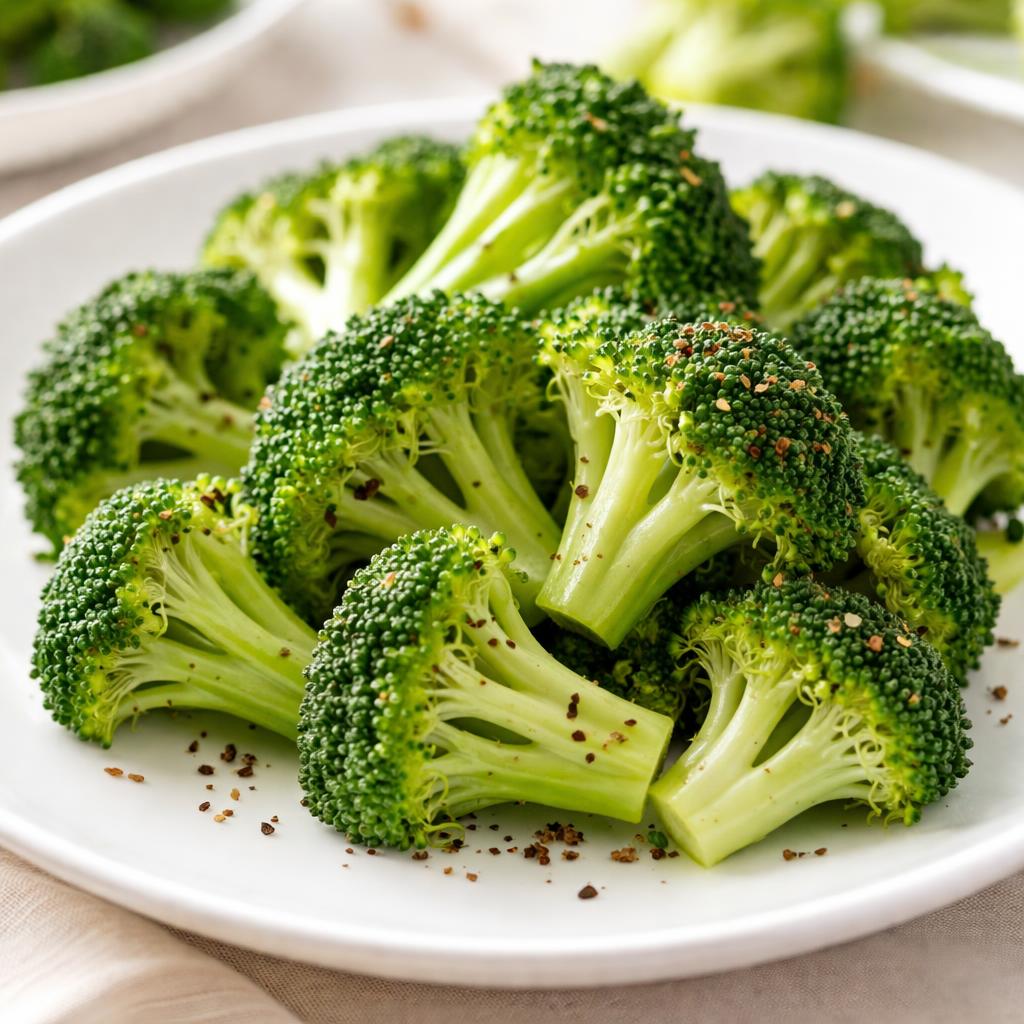
Broccoli
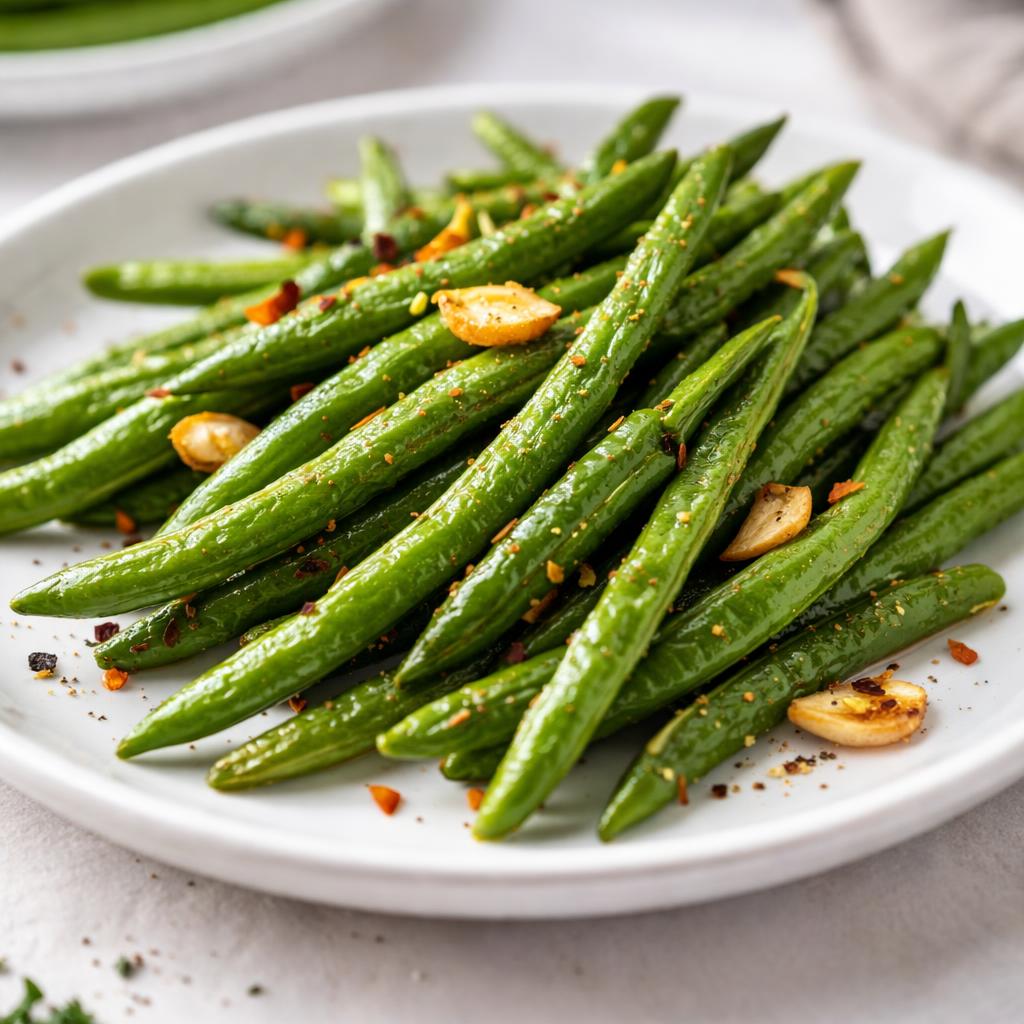
Green Beans
🎯 Quick Verdict
Broccoli and green beans are both highly nutritious vegetables. Broccoli contains more protein, fiber, and fewer calories, making it a better choice for weight loss and muscle maintenance. Green beans are slightly higher in carbohydrates but provide antioxidants and good natural fats, making them ideal for sustained energy and heart health-focused diets.

Smart Nutrition Tracking with SnapCalorie

📊 Nutritional Comparison
Macronutrients
| Nutrient | Food 1 | Food 2 | Winner |
|---|---|---|---|
| Calories | 55 (per 100g) | 31 (per 100g) | ✓ |
| Protein | 4.2g | 1.8g | ✓ |
| Carbs | 11.1g | 7g | ✓ |
| Fat | 0.6g | 0.2g | ✓ |
| Fiber | 2.6g | 2.7g | ✓ |
Vitamins & Minerals
| Nutrient | Food 1 | Food 2 | Winner |
|---|---|---|---|
| Vitamin C | 89.2mg | 12.2mg | ✓ |
| Vitamin A | 623IU | 690IU | ✓ |
| Calcium | 47mg | 37mg | ✓ |
| Iron | 0.73mg | 1.04mg | ✓ |
🏆 Category Winners
Protein
Broccoli has over double the protein content of green beans per serving.
Fiber
Green beans narrowly edge out broccoli in fiber content.
Calories
Green beans have 44% fewer calories per serving than broccoli.
🥗 Diet Compatibility
Keto
Food 1: Compatible
Food 2: Compatible
Both are low-carb vegetables suitable for ketogenic diets.
Vegan
Food 1: Compatible
Food 2: Compatible
Both broccoli and green beans are plant-based and vegan-friendly.
Gluten Free
Food 1: Compatible
Food 2: Compatible
Neither food contains gluten and is safe for gluten-free diets.
Paleo
Food 1: Compatible
Food 2: Compatible
Both are paleo-friendly natural vegetables.
Low Carb
Food 1: Compatible
Food 2: Compatible
Both are low-carb options with under 12g carbs per 100g.
💪 Health Benefits Comparison
Food 1 Benefits
- Excellent source of vitamin C for immune health
- High in fiber for better digestion
- Rich in antioxidants for combating free radicals
- Decent protein content for muscle support
Food 2 Benefits
- Supports heart health with natural fats
- Good source of iron for oxygen transport
- Provides vitamin A for eye health
- Contains antioxidants for reducing inflammation
✅ The Bottom Line
Broccoli is the better option if you’re focused on protein content, vitamins like C and calcium, and weight loss goals. Green beans, on the other hand, are lower in calories and higher in fiber, making them great for sustained energy and digestive health. Both are nutritious choices that fit into most dietary plans.
Choose Food 1 for: Weight loss, post-workout meals, immune support
Choose Food 2 for: Heart health, eye health, energy sustainment


