Broccoli VS Fish
A detailed nutritional comparison
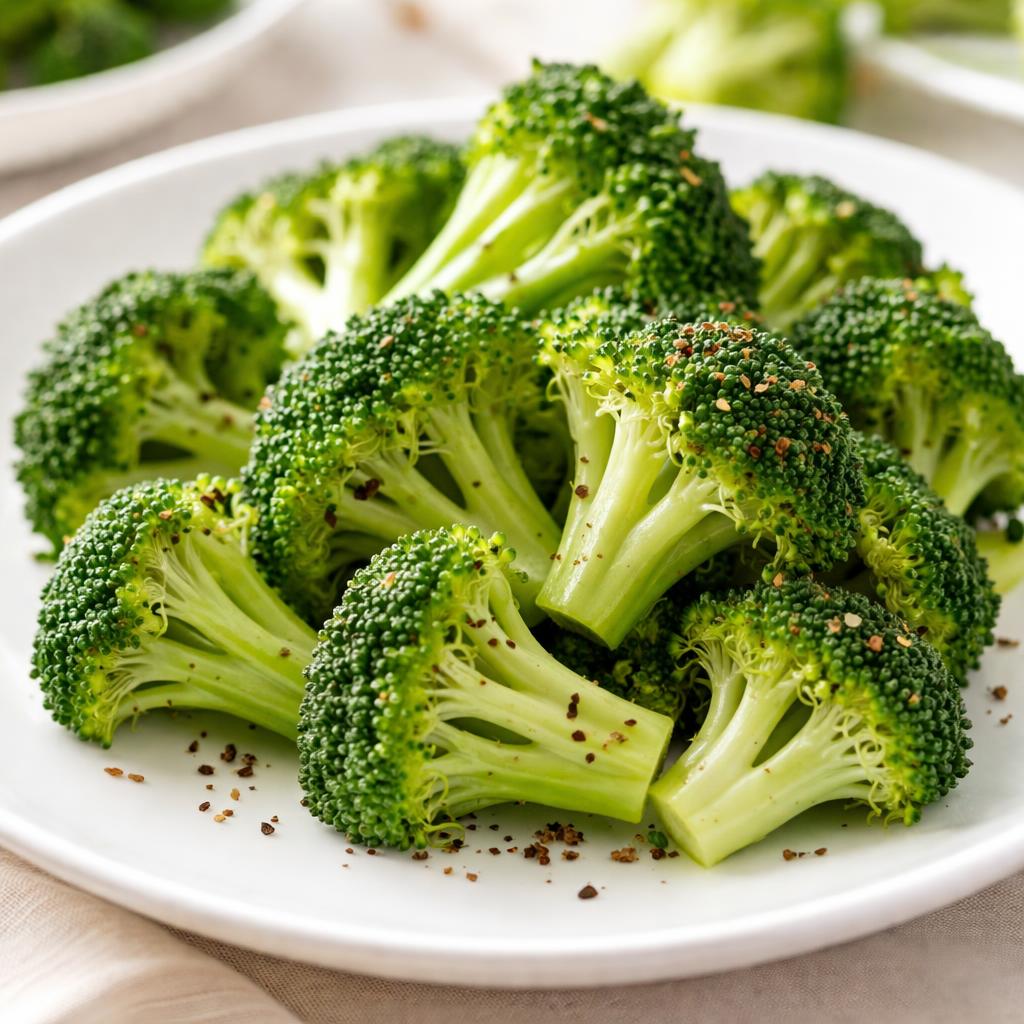
Broccoli
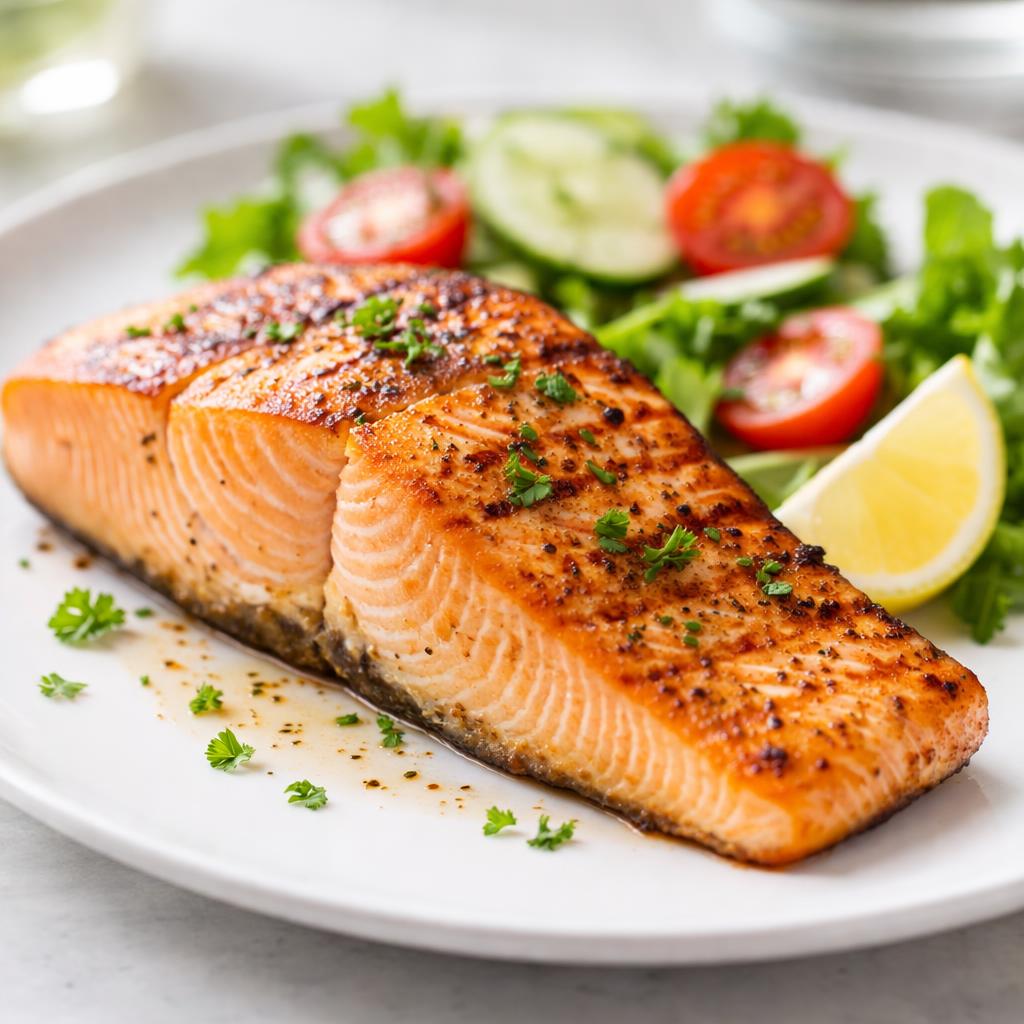
Fish
🎯 Quick Verdict
Broccoli is low in calories, high in fiber, and a nutrient-dense plant-based option ideal for digestion and overall health. Fish, such as salmon or cod, is high in protein, provides healthy fats like omega-3s, and is better suited for muscle maintenance or heart health, making it a solid choice in balanced or protein-rich diets.

Smart Nutrition Tracking with SnapCalorie

📊 Nutritional Comparison
Macronutrients
| Nutrient | Food 1 | Food 2 | Winner |
|---|---|---|---|
| Calories | 55 | 206 | ✓ |
| Protein | 4.3g | 22g | ✓ |
| Carbs | 11g | 0g | ✓ |
| Fat | 0.6g | 12g | ✓ |
| Fiber | 2.4g | 0g | ✓ |
Vitamins & Minerals
| Nutrient | Food 1 | Food 2 | Winner |
|---|---|---|---|
| Vitamin C | 89.2mg | 0mg | ✓ |
| Vitamin A | 623IU | 50IU | ✓ |
| Vitamin D | 0mcg | 5mcg | ✓ |
| Calcium | 47mg | 9mg | ✓ |
| Iron | 0.73mg | 0.5mg | ✓ |
🏆 Category Winners
Protein
Fish is significantly higher in protein, making it ideal for muscle growth.
Fiber
Broccoli contains 2.4g of fiber, while fish has none.
Calories
Broccoli is much lower in calories compared to fish.
Vitamins
Broccoli is richer in Vitamin C, Vitamin A, and calcium than fish.
🥗 Diet Compatibility
Keto
Food 1: Compatible
Food 2: Compatible
Both foods are keto-friendly due to their low carbohydrate content.
Vegan
Food 1: Compatible
Food 2: Not Compatible
Only broccoli is plant-based.
Gluten Free
Food 1: Compatible
Food 2: Compatible
Neither food contains gluten.
Paleo
Food 1: Compatible
Food 2: Compatible
Both foods align with the paleo diet guidelines.
Low Carb
Food 1: Compatible
Food 2: Compatible
Fish has zero carbs, and broccoli has a moderate amount of carbs but is still suitable for low-carb diets.
💪 Health Benefits Comparison
Food 1 Benefits
- High in fiber, promoting digestive health.
- Rich in Vitamin C, boosting immunity.
- Low-calorie option suitable for weight management.
- Contains antioxidants that help reduce inflammation.
Food 2 Benefits
- Excellent source of high-quality protein for muscle repair.
- Rich in omega-3 fatty acids, supporting heart and brain health.
- Provides Vitamin D for bone health and immunity.
- Contains selenium, which acts as a powerful antioxidant.
✅ The Bottom Line
Choose broccoli for weight management, digestion, and vitamin intake, especially if you're vegan or following a low-calorie diet. Fish is a better choice for those needing protein, healthy fats, and essential nutrients like omega-3s, making it ideal for post-workout recovery and heart health.
Choose Food 1 for: Weight control, digestion, immune health, plant-based diets
Choose Food 2 for: Muscle growth, heart health, balanced diets, protein-focused meals


