Broccoli VS Chicken Parmesan
A detailed nutritional comparison
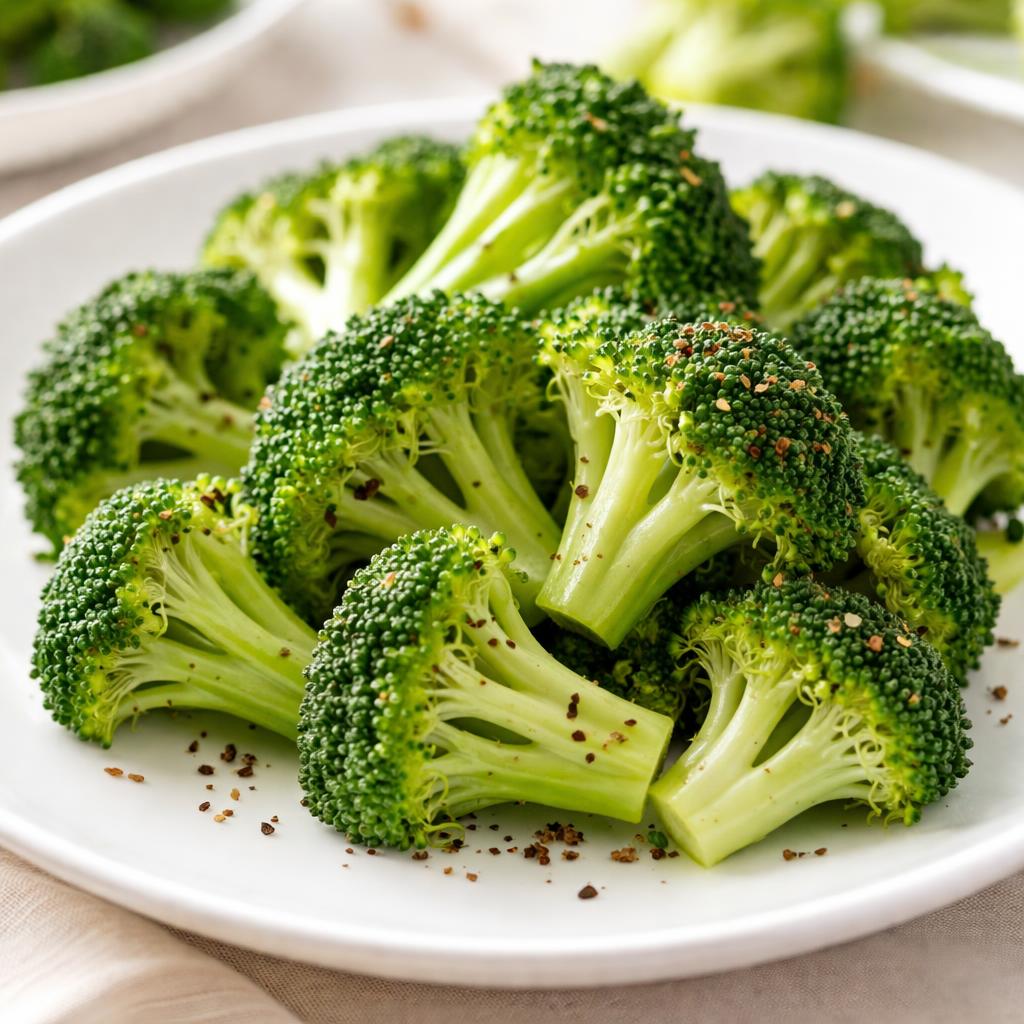
Broccoli
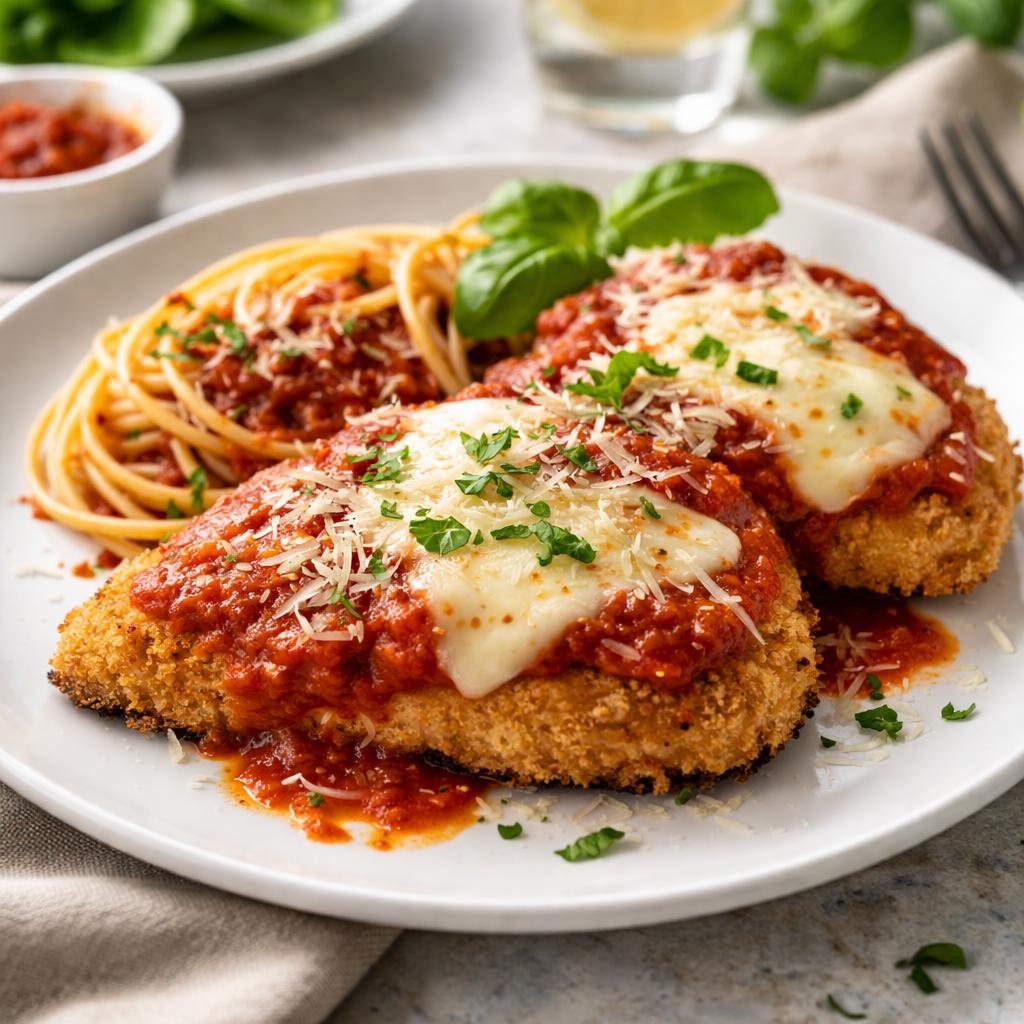
Chicken Parmesan
🎯 Quick Verdict
Broccoli and chicken parmesan serve very different nutritional needs. Broccoli is a low-calorie, high-fiber, and nutrient-dense vegetable, making it ideal for weight loss or plant-based meals. Chicken parmesan is high in protein and fat, suitable for muscle building or energy-dense diets but less favorable for low-calorie or vegan lifestyles.

Smart Nutrition Tracking with SnapCalorie

📊 Nutritional Comparison
Macronutrients
| Nutrient | Food 1 | Food 2 | Winner |
|---|---|---|---|
| Calories | 55 | 450 | ✓ |
| Protein | 4g | 32g | ✓ |
| Carbs | 11g | 20g | ✓ |
| Fat | 0.6g | 23g | ✓ |
| Fiber | 3.8g | 2g | ✓ |
Vitamins & Minerals
| Nutrient | Food 1 | Food 2 | Winner |
|---|---|---|---|
| Vitamin C | 89mg | 2mg | ✓ |
| Calcium | 47mg | 250mg | ✓ |
| Iron | 0.7mg | 1.5mg | ✓ |
| Vitamin K | 101mcg | 3mcg | ✓ |
🏆 Category Winners
Protein
Chicken parmesan provides 700% more protein per serving than broccoli.
Fiber
Broccoli contains nearly twice as much fiber as chicken parmesan.
Calories
Broccoli has only 55 calories per serving compared to 450 for chicken parmesan.
Vitamins
Broccoli is significantly higher in vitamins like Vitamin C and Vitamin K.
🥗 Diet Compatibility
Keto
Food 1: Compatible
Food 2: Compatible
Both foods are relatively low in net carbs, with chicken parmesan being higher in fat.
Vegan
Food 1: Compatible
Food 2: Not Compatible
Broccoli is plant-based, but chicken parmesan includes animal products.
Gluten Free
Food 1: Compatible
Food 2: Not Compatible
Chicken parmesan typically contains breading, which is not gluten-free.
Paleo
Food 1: Compatible
Food 2: Not Compatible
Chicken parmesan often includes processed ingredients not allowed on a paleo diet.
Low Carb
Food 1: Compatible
Food 2: Compatible
Both foods are relatively low in carbohydrates, though chicken parmesan is higher in calories.
💪 Health Benefits Comparison
Food 1 Benefits
- Rich in Vitamin C to support immune function
- Contains Vitamin K for bone health
- High in fiber for digestive health
- Low in calories, suitable for weight loss
Food 2 Benefits
- High in protein for muscle building and repair
- Provides calcium for strong bones
- Contains iron to support red blood cell production
- Energy dense, ideal for active or high-calorie diets
✅ The Bottom Line
Choose broccoli for a low-calorie, high-fiber, and nutrient-packed option, perfect for weight loss or plant-based diets. Opt for chicken parmesan when protein needs are higher, or if you need a satisfying, energy-rich meal. The choice depends on your dietary goals and restrictions.
Choose Food 1 for: Low-calorie diets, plant-based meals, nutrient optimization
Choose Food 2 for: Protein-rich diets, high-calorie meals, athletic recovery


