Broccoli VS Cashews
A detailed nutritional comparison
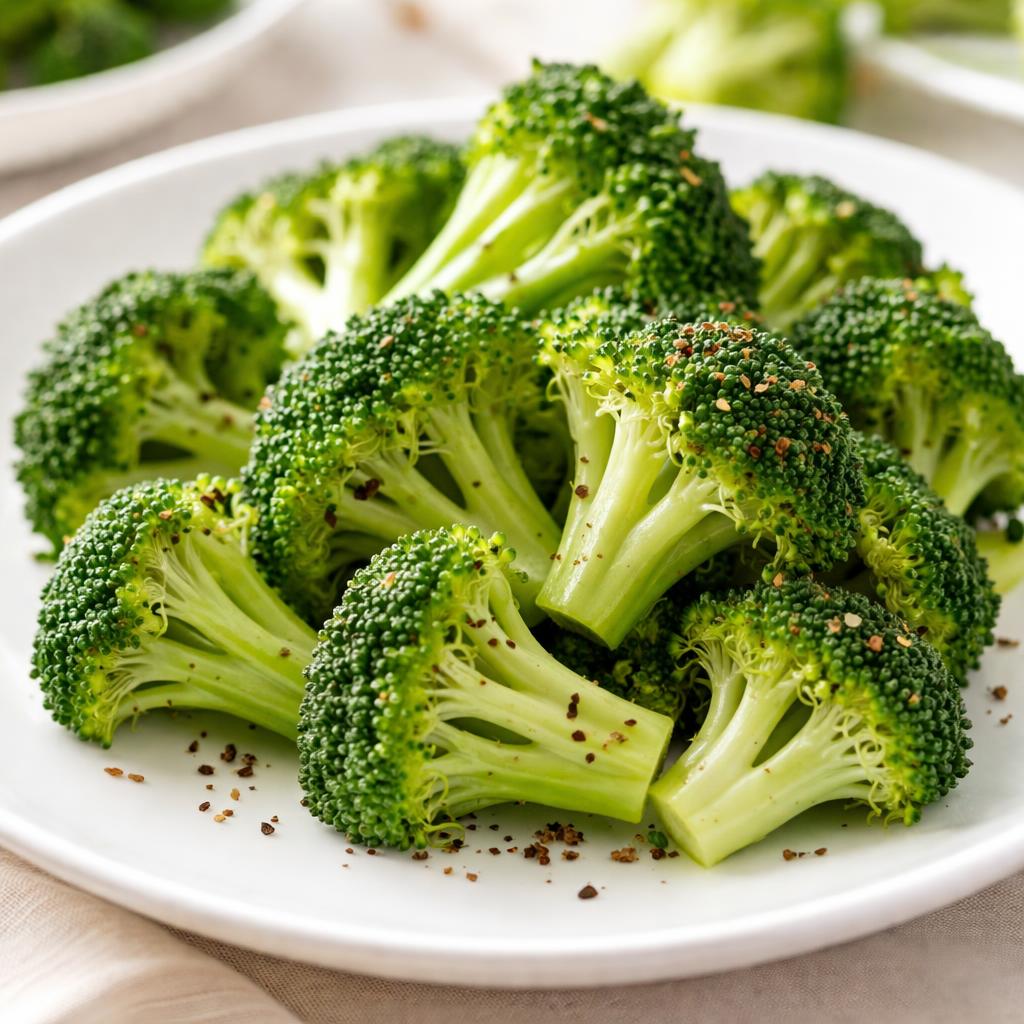
Broccoli
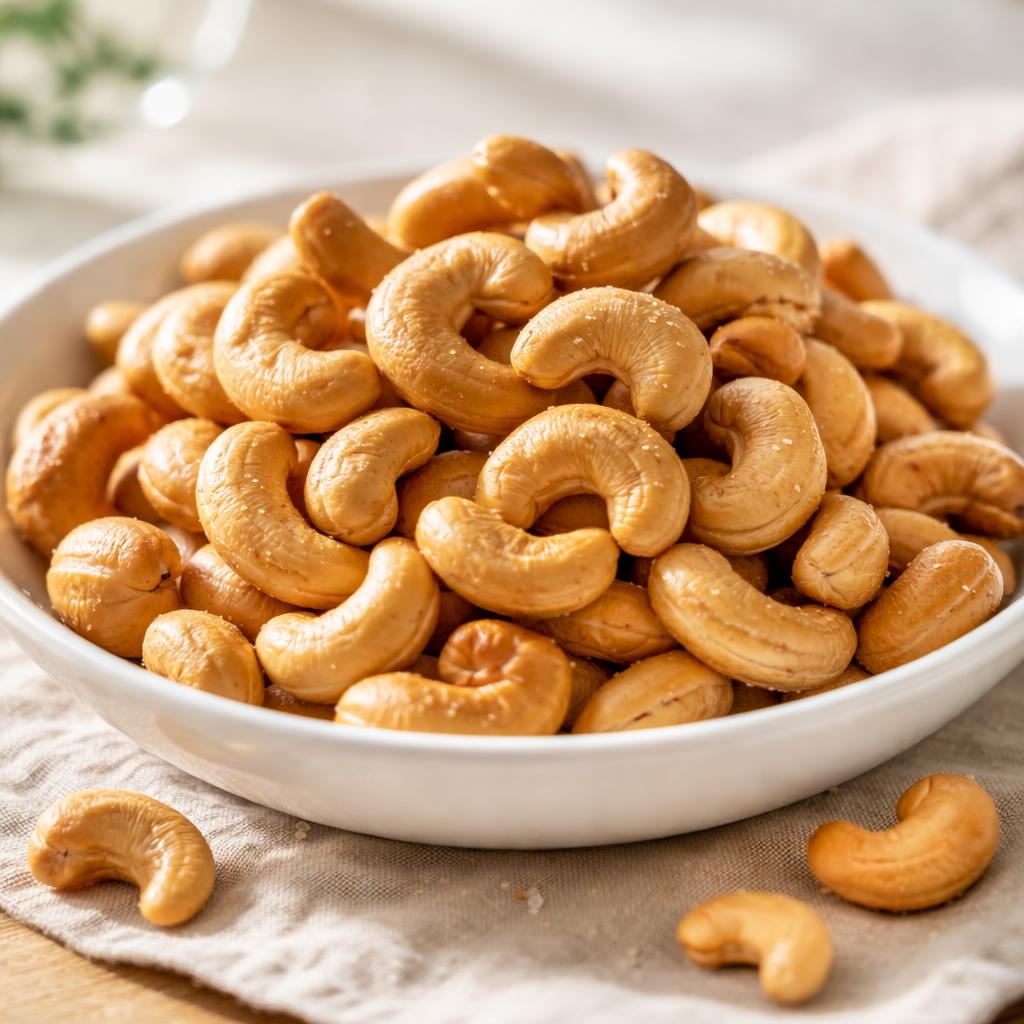
Cashews
🎯 Quick Verdict
Broccoli is a low-calorie vegetable packed with fiber, vitamin C, and antioxidants, making it ideal for weight loss and digestive health. Cashews, on the other hand, are calorie-dense and rich in healthy fats, protein, and minerals, making them a great snack for sustained energy and heart health. Choosing between them depends on your dietary goals: nutrient density versus calorie minimization.

Smart Nutrition Tracking with SnapCalorie

📊 Nutritional Comparison
Macronutrients
| Nutrient | Food 1 | Food 2 | Winner |
|---|---|---|---|
| Calories | 55 (per 100g) | 580 (per 100g) | − |
| Protein | 2.8g | 18.2g | − |
| Carbs | 11.2g | 30.2g | − |
| Fat | 0.6g | 43.9g | − |
| Fiber | 3.3g | 3.0g | − |
Vitamins & Minerals
| Nutrient | Food 1 | Food 2 | Winner |
|---|---|---|---|
| Vitamin C | 89.2mg | 0.5mg | − |
| Vitamin K | 101.6mcg | 34.1mcg | − |
| Iron | 0.7mg | 6.7mg | − |
| Magnesium | 21mg | 292mg | − |
🏆 Category Winners
Protein
Cashews provide over 6 times more protein per 100g compared to broccoli.
Fiber
Broccoli contains slightly more fiber per serving, beneficial for digestion.
Calories
Broccoli has less than 10% of the calories of cashews, making it more suitable for weight loss.
Vitamins
Broccoli is notably richer in vitamin C and vitamin K compared to cashews.
🥗 Diet Compatibility
Keto
Food 1: Compatible
Food 2: Compatible
Both foods fit into keto diets, but cashews require portion control due to higher carbs.
Vegan
Food 1: Compatible
Food 2: Compatible
Both foods are plant-based and suitable for vegans.
Gluten Free
Food 1: Compatible
Food 2: Compatible
Neither food contains gluten, making them safe for gluten-free diets.
Paleo
Food 1: Compatible
Food 2: Compatible
Both are whole, unprocessed foods aligned with paleo principles.
Low-Carb
Food 1: Compatible
Food 2: Not Compatible
Broccoli is very low in carbs (11.2g per 100g), while cashews are relatively high in carbs.
💪 Health Benefits Comparison
Food 1 Benefits
- High in fiber for improved digestion and gut health
- Rich in vitamin C for immune system support
- Loaded with antioxidants to reduce inflammation
Food 2 Benefits
- Contains healthy unsaturated fats for heart health
- Rich in magnesium for muscle function and stress relief
- Provides iron to help with oxygen transport in the body
✅ The Bottom Line
For weight loss and nutrient density, broccoli is an excellent choice due to its low calorie and high fiber content. Cashews, on the other hand, are better suited for energy-dense diets and provide healthy fats, protein, and minerals. Use broccoli as a staple veggie in meals and cashews as a nutrient-rich snack or addition to recipes as long as portion sizes are controlled.
Choose Food 1 for: Weight loss, low-calorie diets, digestion support
Choose Food 2 for: Heart health, sustained energy, mineral-rich diets


