Broccoli VS Carrot
A detailed nutritional comparison
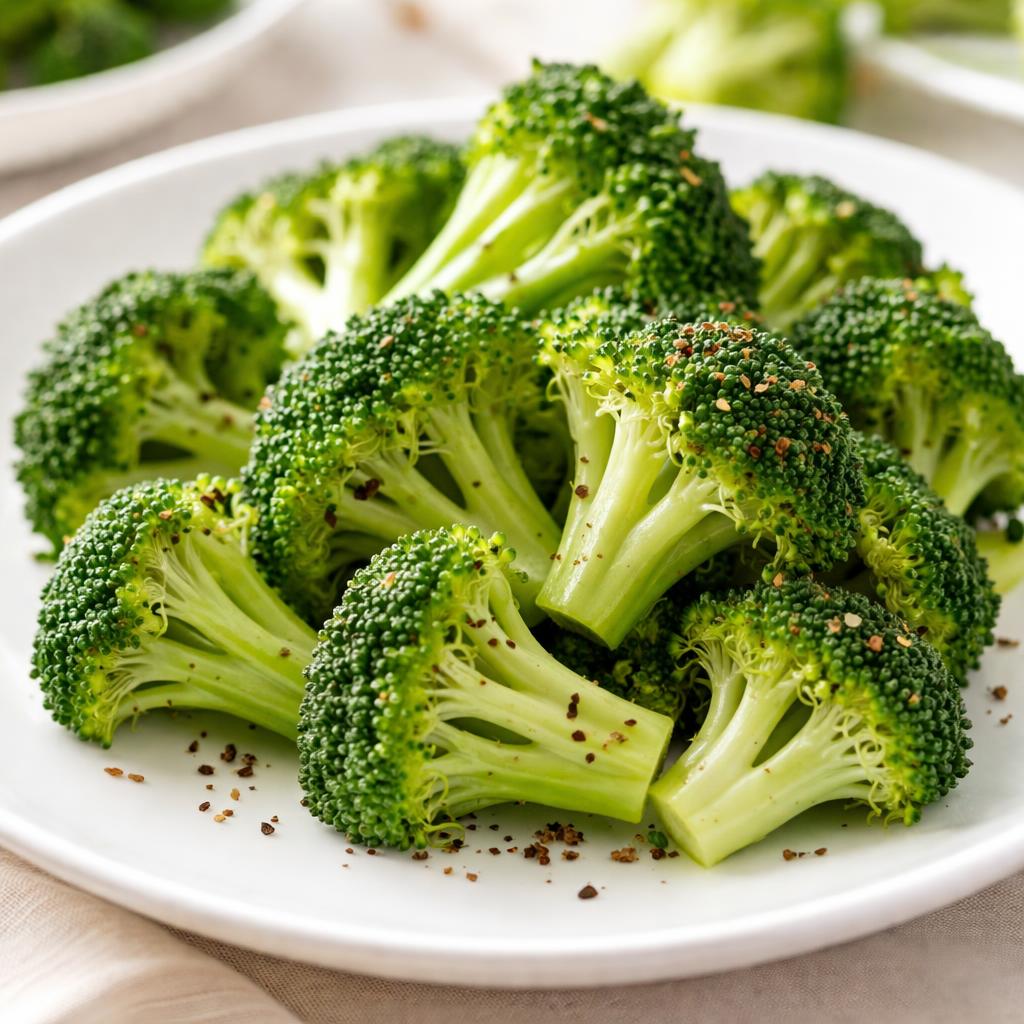
Broccoli
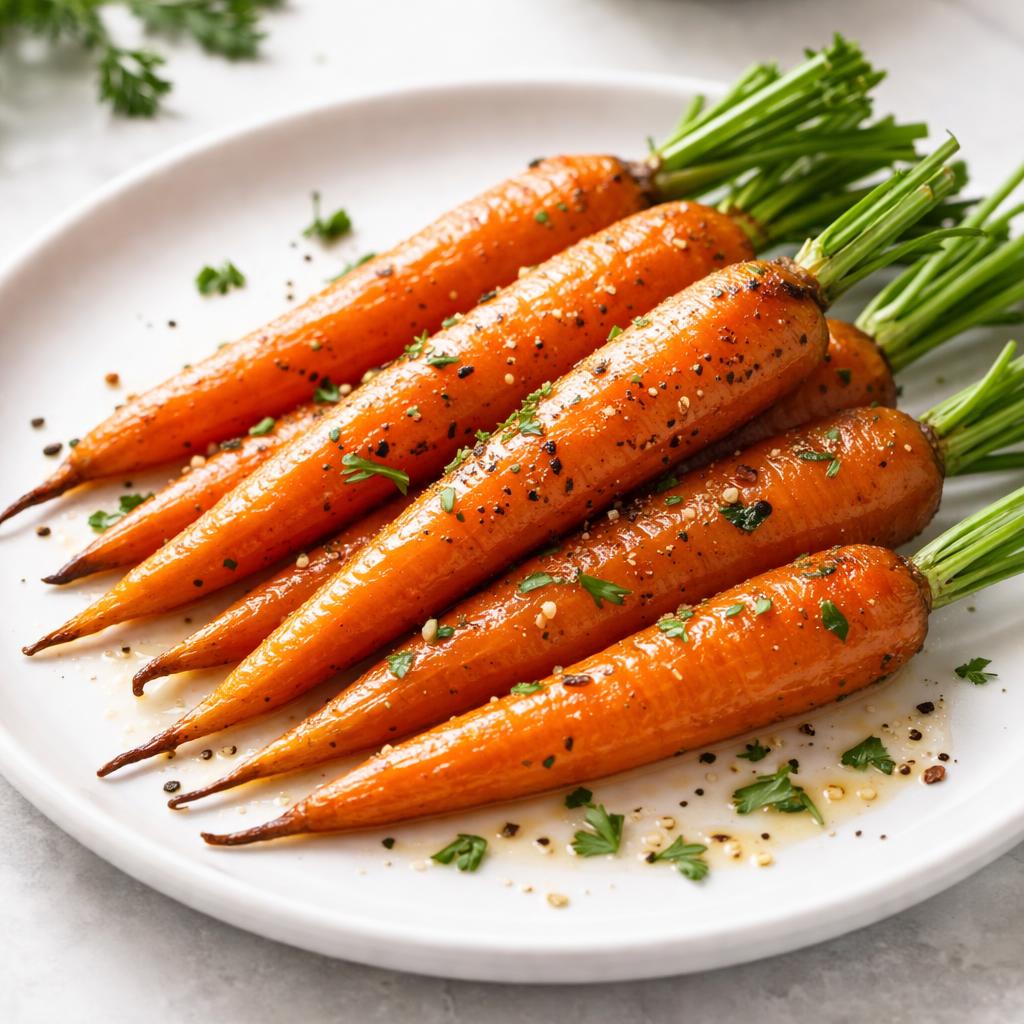
Carrot
🎯 Quick Verdict
Broccoli and carrots are nutrient-dense vegetables with complementary health benefits. Broccoli is higher in protein, fiber, and lower in calories, making it great for weight management and muscle-building diets. Carrots provide more carbohydrates and beta-carotene, which supports eye health. Both are versatile and fit into numerous diets, including vegan and gluten-free options.

Smart Nutrition Tracking with SnapCalorie

📊 Nutritional Comparison
Macronutrients
| Nutrient | Food 1 | Food 2 | Winner |
|---|---|---|---|
| Calories | 55 (per 100g) | 41 (per 100g) | ✓ |
| Protein | 3.7g | 0.9g | ✓ |
| Carbs | 11g | 9.6g | ✓ |
| Fat | 0.6g | 0.2g | ✓ |
| Fiber | 2.6g | 2.8g | ✓ |
Vitamins & Minerals
| Nutrient | Food 1 | Food 2 | Winner |
|---|---|---|---|
| Vitamin A (Beta-Carotene) | 623 IU | 16706 IU | ✓ |
| Vitamin C | 89.2mg | 5.9mg | ✓ |
| Calcium | 47mg | 33mg | ✓ |
| Iron | 0.73mg | 0.3mg | ✓ |
🏆 Category Winners
Protein
Broccoli contains significantly more protein (3.7g vs 0.9g).
Fiber
Carrots have marginally more fiber (2.8g vs 2.6g) per 100g.
Calories
Carrots have fewer calories per 100g, making them slightly lighter.
Vitamins
Carrots are an excellent source of Vitamin A, while broccoli dominates in Vitamin C.
🥗 Diet Compatibility
Keto
Food 1: Compatible
Food 2: Not Compatible
Broccoli is keto-friendly due to its lower carbohydrate content.
Vegan
Food 1: Compatible
Food 2: Compatible
Both vegetables are vegan.
Gluten Free
Food 1: Compatible
Food 2: Compatible
Neither broccoli nor carrots contain gluten.
Paleo
Food 1: Compatible
Food 2: Compatible
Both are paleo-friendly.
Low-Carb
Food 1: Compatible
Food 2: Not Compatible
Broccoli fits low-carb diets better due to its lower net carbs.
💪 Health Benefits Comparison
Food 1 Benefits
- High in protein for muscle repair and growth
- Rich in Vitamin C, boosting immune health
- Contains antioxidants like sulforaphane, which may reduce inflammation
Food 2 Benefits
- Excellent source of beta-carotene for eye health
- Rich in antioxidants for protecting against oxidative stress
- Low-calorie, perfect for weight-loss diets
✅ The Bottom Line
Both broccoli and carrots offer unique nutrition benefits and are highly versatile. Choose broccoli for protein, Vitamin C, and keto diets, and opt for carrots if you're focused on Vitamin A for vision health and enjoy their sweetness in recipes.
Choose Food 1 for: Weight management, keto diets, immune support
Choose Food 2 for: Eye health, sweet recipes, antioxidant-rich diets


