Broccoli VS Broccolini
A detailed nutritional comparison
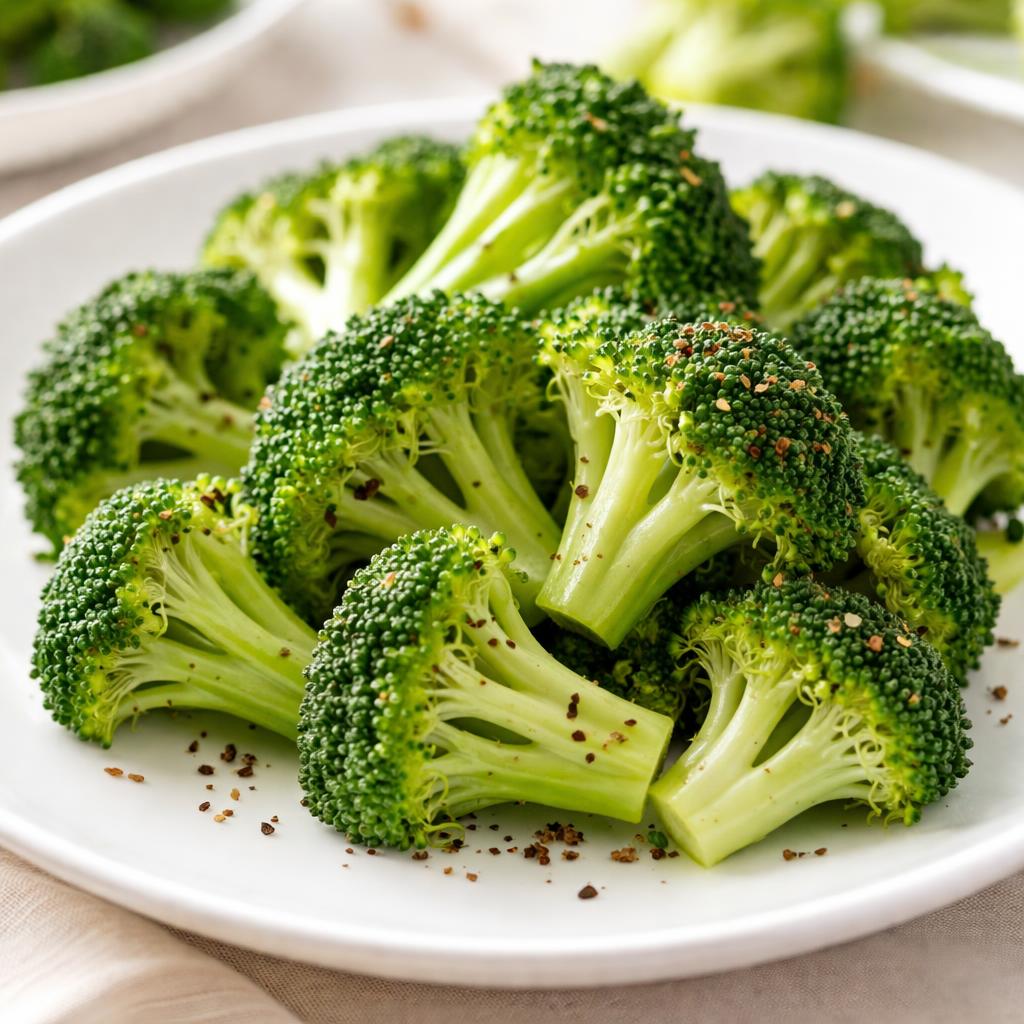
Broccoli
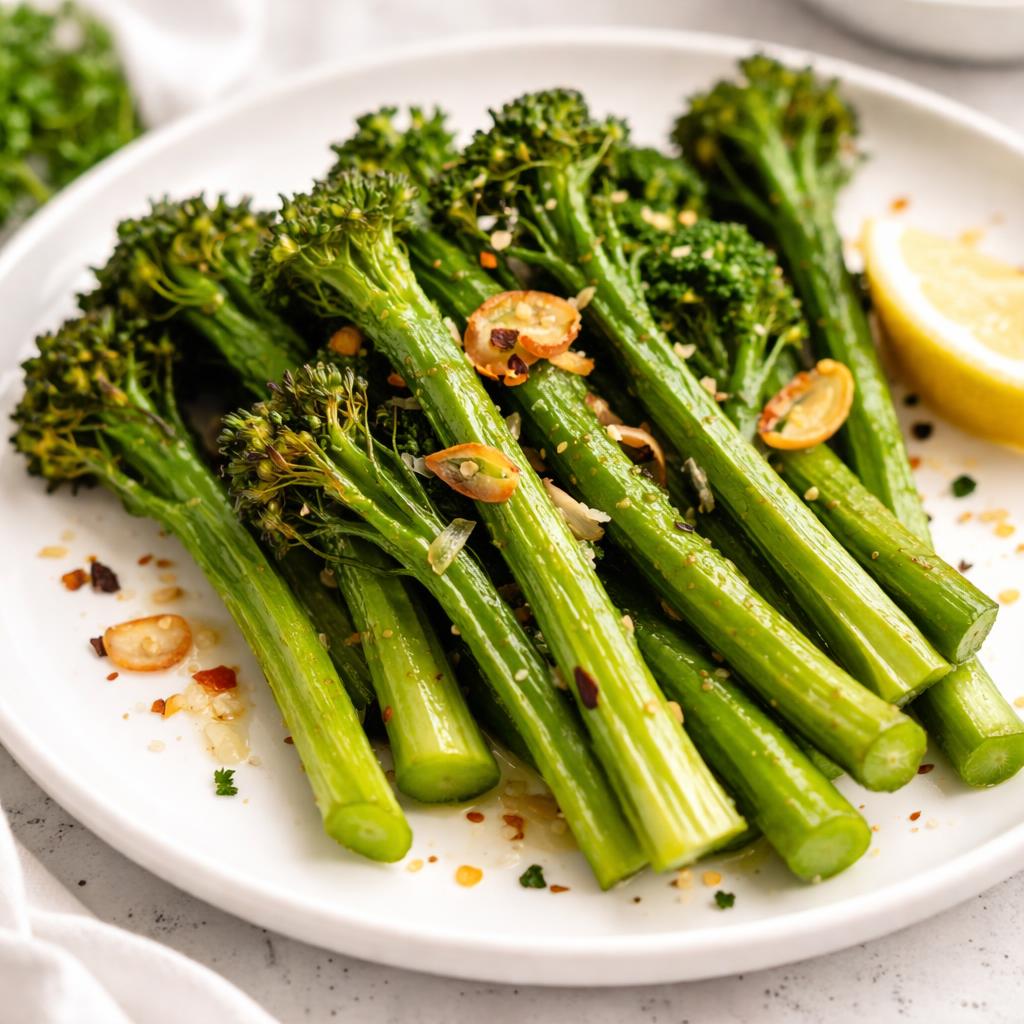
Broccolini
🎯 Quick Verdict
Broccoli and broccolini are nutritionally similar, but broccoli stands out with slightly higher protein and fiber content per serving while being lower in calories. Broccolini has a more delicate flavor and provides a slightly higher vitamin C content, making it a great choice for quick and elegant dishes. Both are excellent options for healthy diets but cater to slightly different needs and preferences.

Smart Nutrition Tracking with SnapCalorie

📊 Nutritional Comparison
Macronutrients
| Nutrient | Food 1 | Food 2 | Winner |
|---|---|---|---|
| Calories | − | ||
| Protein | − | ||
| Carbs | − | ||
| Fat | − | ||
| Fiber | − |
Vitamins & Minerals
| Nutrient | Food 1 | Food 2 | Winner |
|---|---|---|---|
| Vitamin C | − | ||
| Vitamin A | − | ||
| Calcium | − | ||
| Iron | − |
🏆 Category Winners
Protein
Broccoli has 22% more protein than broccolini per cup.
Fiber
Broccoli provides 24% more fiber to support digestion.
Calories
Broccoli contains 15% fewer calories, making it better for weight loss.
Vitamins
Broccolini offers more vitamin C and vitamin A per serving.
🥗 Diet Compatibility
Keto
Food 1: Unknown
Food 2: Unknown
Both are low in carbohydrates and keto-friendly.
Vegan
Food 1: Unknown
Food 2: Unknown
Both are plant-based and suitable for vegan diets.
Gluten Free
Food 1: Unknown
Food 2: Unknown
Neither contains gluten.
Paleo
Food 1: Unknown
Food 2: Unknown
Both are paleo-approved whole vegetables.
Low-Carb
Food 1: Unknown
Food 2: Unknown
Both are low-carb and ideal for low-carb diets.
💪 Health Benefits Comparison
Food 1 Benefits
Food 2 Benefits
✅ The Bottom Line
Broccoli is best for those seeking higher fiber, protein, and fewer calories, making it ideal for weight loss and muscle recovery. Broccolini shines with more vitamin C and a subtly sweet, tender flavor, perfect for elegant dishes or quick cooking. Both are versatile and nutrient-dense vegetables suitable for almost any diet.


