Broccoli VS Baked Potato
A detailed nutritional comparison
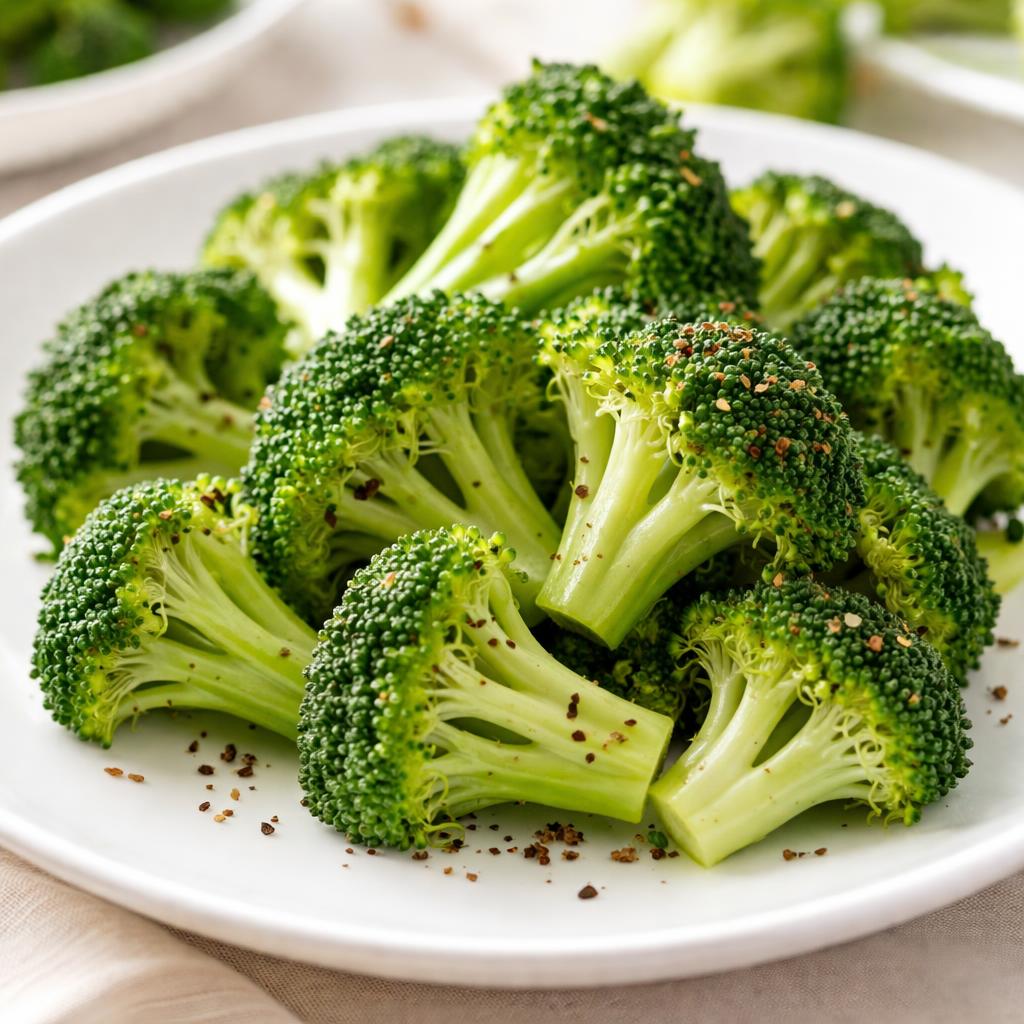
Broccoli
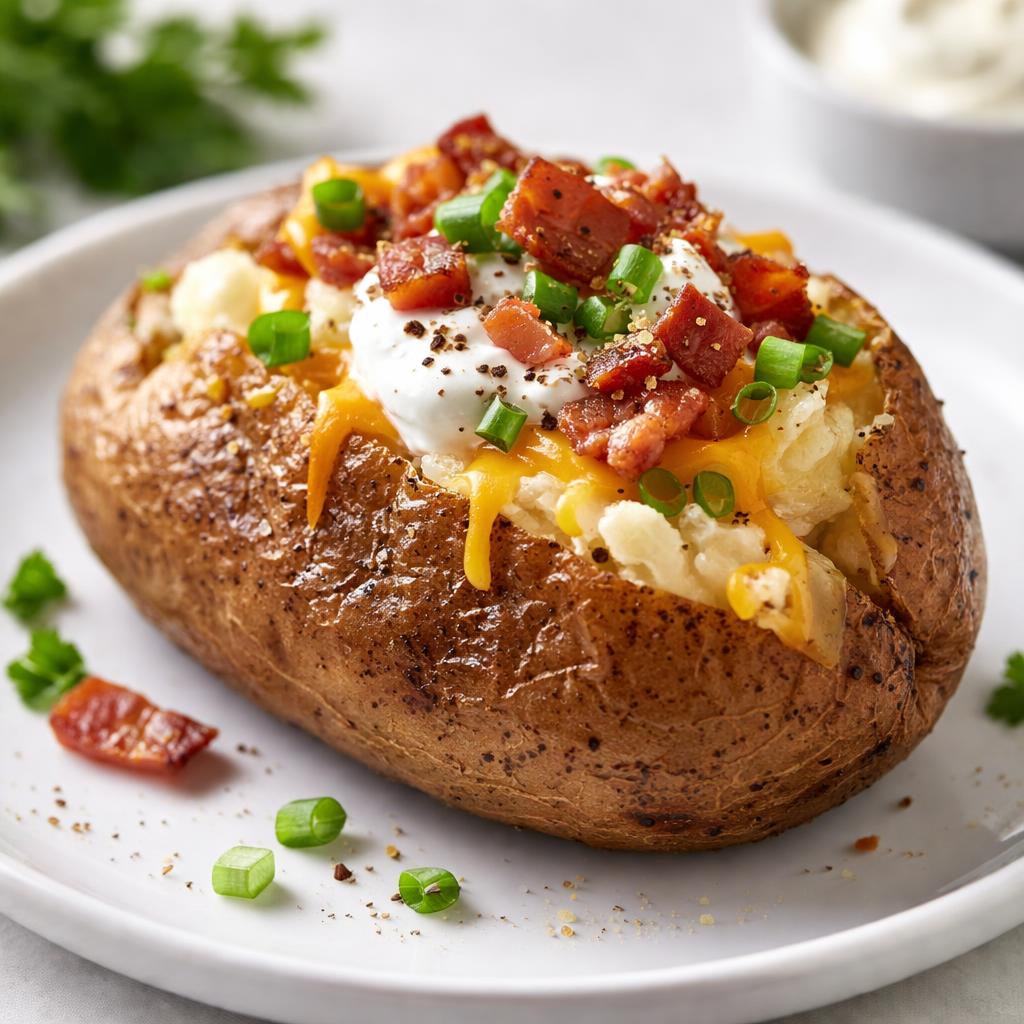
Baked Potato
🎯 Quick Verdict
Broccoli is a low-calorie, nutrient-dense vegetable rich in protein and fiber, making it ideal for weight management and digestive health. Baked potatoes are higher in calories and carbs, providing excellent energy and potassium, which is great for active lifestyles or recovery after workouts. Both are plant-based and versatile in meals.

Smart Nutrition Tracking with SnapCalorie

📊 Nutritional Comparison
Macronutrients
| Nutrient | Food 1 | Food 2 | Winner |
|---|---|---|---|
| Calories | 55 | 130 | ✓ |
| Protein | 4.3g | 3g | ✓ |
| Carbs | 11.2g | 29g | ✓ |
| Fat | 0.5g | 0.2g | ✓ |
| Fiber | 2.4g | 2g | ✓ |
Vitamins & Minerals
| Nutrient | Food 1 | Food 2 | Winner |
|---|---|---|---|
| Vitamin C | 81mg | 12.8mg | ✓ |
| Vitamin K | 93mcg | 3mcg | ✓ |
| Potassium | 288mg | 610mg | ✓ |
| Iron | 0.7mg | 0.8mg | ✓ |
🏆 Category Winners
Protein
Broccoli contains 43% more protein per serving compared to baked potato.
Fiber
Broccoli has slightly more fiber, improving digestion and gut health.
Calories
Broccoli has fewer calories, making it better for weight management.
Vitamins
Broccoli is higher in essential vitamins like C and K, supporting immunity and bone health.
🥗 Diet Compatibility
Keto
Food 1: Compatible
Food 2: Not Compatible
Broccoli is low-carb (11.2g net carbs); baked potato is high-carb (29g net carbs).
Vegan
Food 1: Compatible
Food 2: Compatible
Both are plant-based and align with vegan diets.
Gluten Free
Food 1: Compatible
Food 2: Compatible
Neither food contains gluten.
Paleo
Food 1: Compatible
Food 2: Compatible
Both fulfill paleo guidelines as whole, unprocessed foods.
Low-Carb
Food 1: Compatible
Food 2: Not Compatible
Broccoli is low-carb-friendly; baked potato has much higher carb content.
💪 Health Benefits Comparison
Food 1 Benefits
- Rich in vitamin C to boost immune function
- High in fiber for improved digestion
- Contains antioxidants to reduce inflammation
- Supports bone health with vitamin K
Food 2 Benefits
- Excellent source of potassium for muscle function and blood pressure regulation
- Provides sustained energy through complex carbohydrates
- Low in fat and cholesterol, supporting heart health
- Contains resistant starch for gut health
✅ The Bottom Line
Both broccoli and baked potatoes are healthy options but excel in different areas. Choose broccoli for its low calorie, high protein, and vitamin content, ideal for weight management and immune support. Opt for baked potatoes for energy recovery, potassium-rich meals, or fuel for physical activity.
Choose Food 1 for: Weight management, keto diets, supporting immunity
Choose Food 2 for: Energy boost, post-workout recovery, heart health


