Broccoli VS Almonds
A detailed nutritional comparison
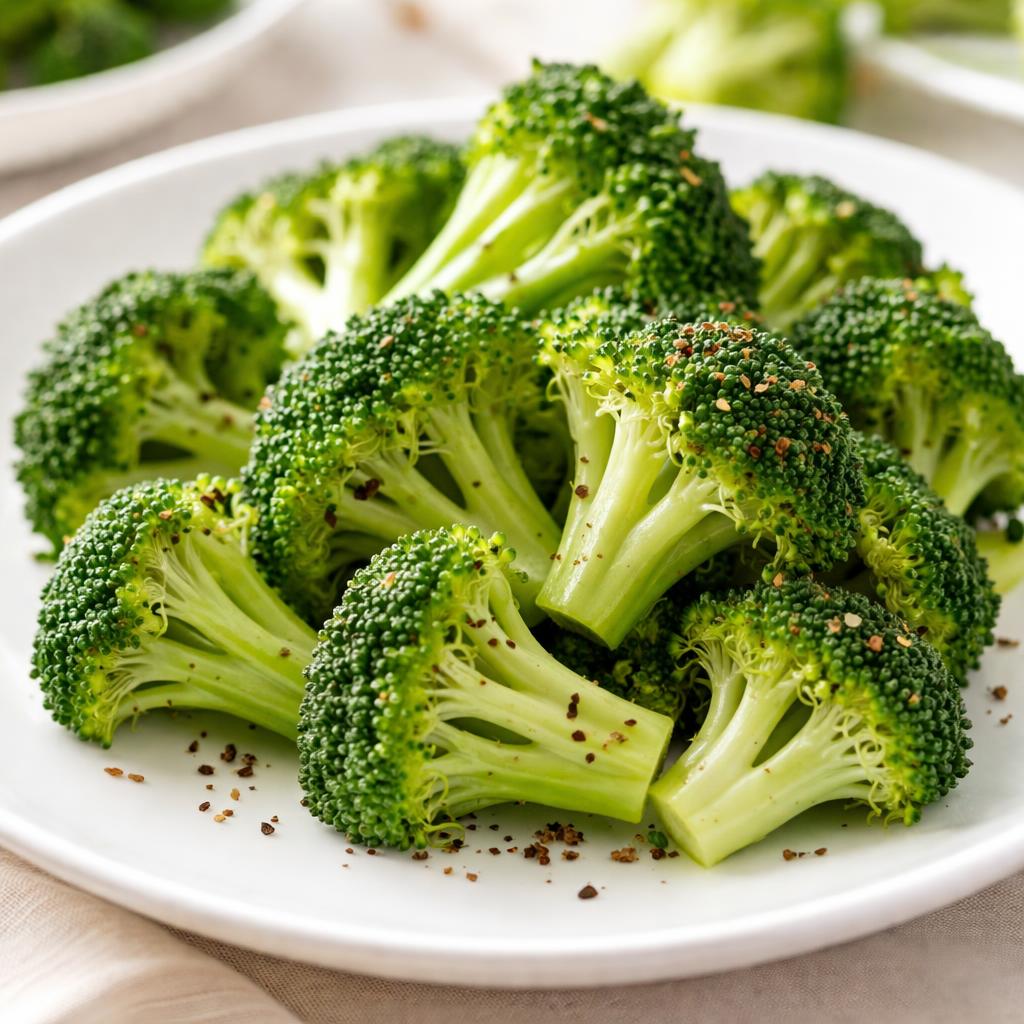
Broccoli
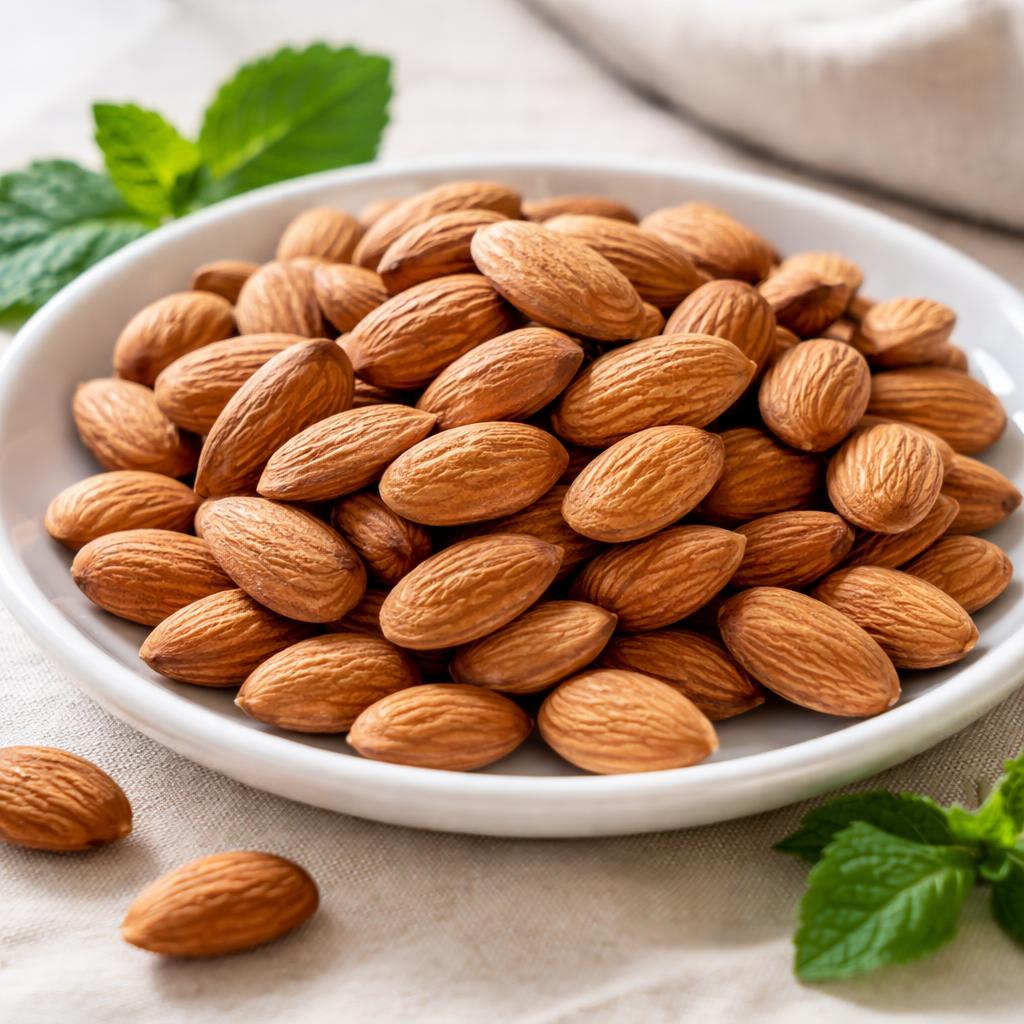
Almonds
🎯 Quick Verdict
Broccoli is lower in calories and higher in fiber, making it an excellent choice for weight management and digestion. Almonds are richer in protein and healthy fats, offering more sustained energy and heart-health benefits. Broccoli is ideal for low-calorie diets, while almonds are perfect for snacking and nutrient density.

Smart Nutrition Tracking with SnapCalorie

📊 Nutritional Comparison
Macronutrients
| Nutrient | Food 1 | Food 2 | Winner |
|---|---|---|---|
| Calories | 55 (per 100g) | 579 (per 100g) | ✓ |
| Protein | 3.7g (per 100g) | 21.2g (per 100g) | ✓ |
| Carbs | 11.2g (per 100g) | 21.6g (per 100g) | ✓ |
| Fat | 0.6g (per 100g) | 49.9g (per 100g) | ✓ |
| Fiber | 2.6g (per 100g) | 12.5g (per 100g) | ✓ |
Vitamins & Minerals
| Nutrient | Food 1 | Food 2 | Winner |
|---|---|---|---|
| Vitamin C | 89.2mg (per 100g) | 0mg | ✓ |
| Calcium | 47mg (per 100g) | 269mg (per 100g) | ✓ |
| Iron | 0.73mg (per 100g) | 3.71mg (per 100g) | ✓ |
🏆 Category Winners
Protein
Almonds have over five times more protein per 100g compared to broccoli.
Fiber
Almonds provide nearly five times the fiber of broccoli.
Calories
Broccoli has significantly fewer calories, making it ideal for calorie-conscious diets.
🥗 Diet Compatibility
Keto
Food 1: Compatible
Food 2: Compatible
Both foods are low-carb with suitable macronutrient compositions for keto diets.
Vegan
Food 1: Compatible
Food 2: Compatible
Both foods are plant-based and suitable for vegan diets.
Gluten Free
Food 1: Compatible
Food 2: Compatible
Neither contains gluten.
Paleo
Food 1: Compatible
Food 2: Compatible
Both are whole, unprocessed foods and fit paleo diets.
Low-Carb
Food 1: Compatible
Food 2: Compatible
Broccoli is naturally low-carb, and almonds fit low-carb diets when consumed in moderation.
💪 Health Benefits Comparison
Food 1 Benefits
- Packed with Vitamin C to support immune health
- Low calorie and high fiber for weight management
- Rich in antioxidants for reducing inflammation
- Supports healthy digestion and gut health
Food 2 Benefits
- Rich in healthy fats that promote heart health
- Excellent source of plant-based protein for muscle recovery
- Contains antioxidants like Vitamin E for cell protection
- Good source of minerals like magnesium and calcium for bone health
✅ The Bottom Line
Choose broccoli if you’re focusing on weight loss, digestion, or vitamin intake, and opt for almonds when seeking a dense source of protein and healthy fats for sustained energy or post-workout recovery.
Choose Food 1 for: Weight management, digestion support, immune health
Choose Food 2 for: Snacking, heart health, muscle recovery


