Broccoli VS Almond
A detailed nutritional comparison
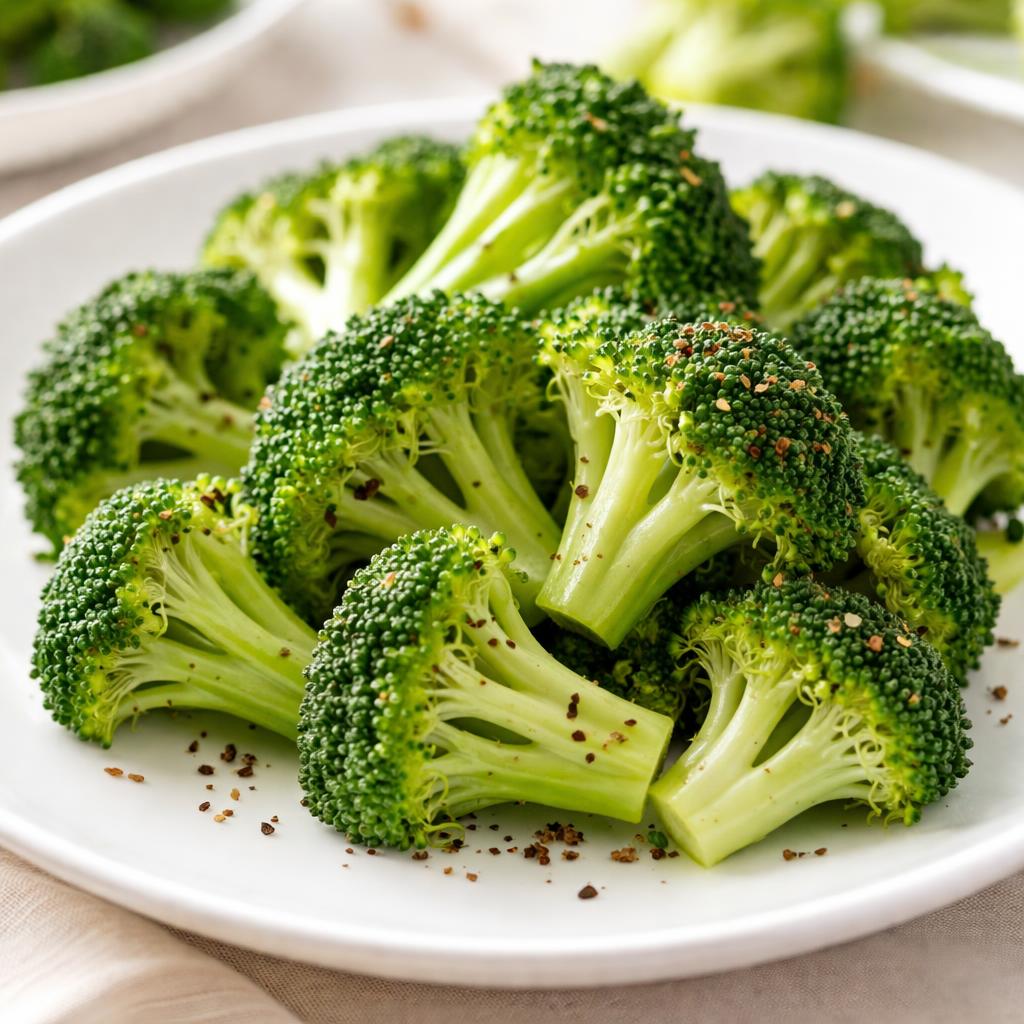
Broccoli
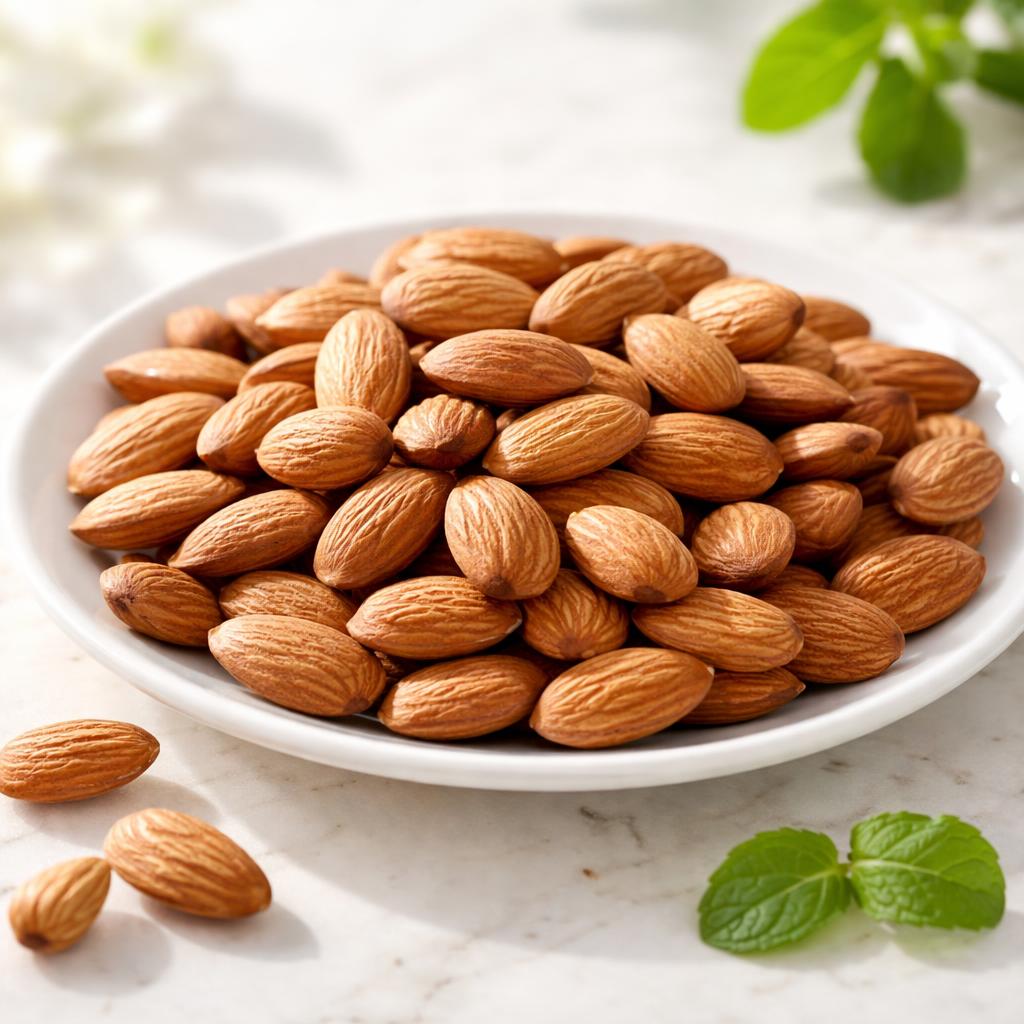
Almond
🎯 Quick Verdict
Broccoli is lower in calories, higher in fiber, and richer in vitamins like Vitamin C and Vitamin K, making it ideal for weight loss and general health. Almonds are higher in protein, healthy fats, and calorie density, making them suitable for energy-dense diets and heart health support.

Smart Nutrition Tracking with SnapCalorie

📊 Nutritional Comparison
Macronutrients
| Nutrient | Food 1 | Food 2 | Winner |
|---|---|---|---|
| Calories | 55 | 164 | ✓ |
| Protein | 4.3g | 6g | ✓ |
| Carbs | 11.2g | 6.1g | ✓ |
| Fat | 0.3g | 14g | ✓ |
| Fiber | 2.6g | 1.1g | ✓ |
Vitamins & Minerals
| Nutrient | Food 1 | Food 2 | Winner |
|---|---|---|---|
| Vitamin C | 89.2mg | 0mg | ✓ |
| Vitamin K | 101.6mcg | 0mcg | ✓ |
| Calcium | 47mg | 76mg | ✓ |
| Iron | 0.7mg | 1mg | ✓ |
🏆 Category Winners
Protein
Almonds contain approximately 40% more protein per serving compared to broccoli.
Fiber
Broccoli contains more than double the fiber of almonds per 100g.
Calories
Broccoli is significantly lower in calories, offering only 55 calories per 100g versus almonds' 164 calories.
Vitamins
Broccoli is far richer in Vitamins C and K, key nutrients for immune support and bone health.
🥗 Diet Compatibility
Keto
Food 1: Compatible
Food 2: Compatible
Both broccoli and almonds are keto-friendly due to their low net carb values.
Vegan
Food 1: Compatible
Food 2: Compatible
Both foods are plant-based and entirely vegan.
Gluten Free
Food 1: Compatible
Food 2: Compatible
Both broccoli and almonds are naturally gluten-free.
Paleo
Food 1: Compatible
Food 2: Compatible
Both foods adhere to a paleo diet, promoting whole and nutrient-dense foods.
Low-Carb
Food 1: Semi-compatible
Food 2: Compatible
Broccoli has slightly higher carbs (11.2g per 100g), while almonds are lower in carbs (6.1g per 100g).
💪 Health Benefits Comparison
Food 1 Benefits
- Rich in Vitamin C to boost immunity and skin health.
- High fiber content supports digestion and gut health.
- Low calorie content makes it ideal for weight loss.
Food 2 Benefits
- High protein content for muscle maintenance and repair.
- Rich in healthy fats, particularly monounsaturated fats, which support heart health.
- Provides essential minerals like magnesium and calcium for bone health.
✅ The Bottom Line
Broccoli is a low-calorie choice packed with fiber and vitamins—best for weight management, digestion, and immunity. Almonds are nutrient-dense and rich in healthy fats and protein, ideal for energy sustenance, muscle repair, and heart health. Choose broccoli for light meals or addition to salads and almonds for snacks or energy boosts.
Choose Food 1 for: Weight loss, nutrient-packed meals, immune health
Choose Food 2 for: Heart health, protein intake, sustained energy


