Breadsticks VS Olive Bread
A detailed nutritional comparison
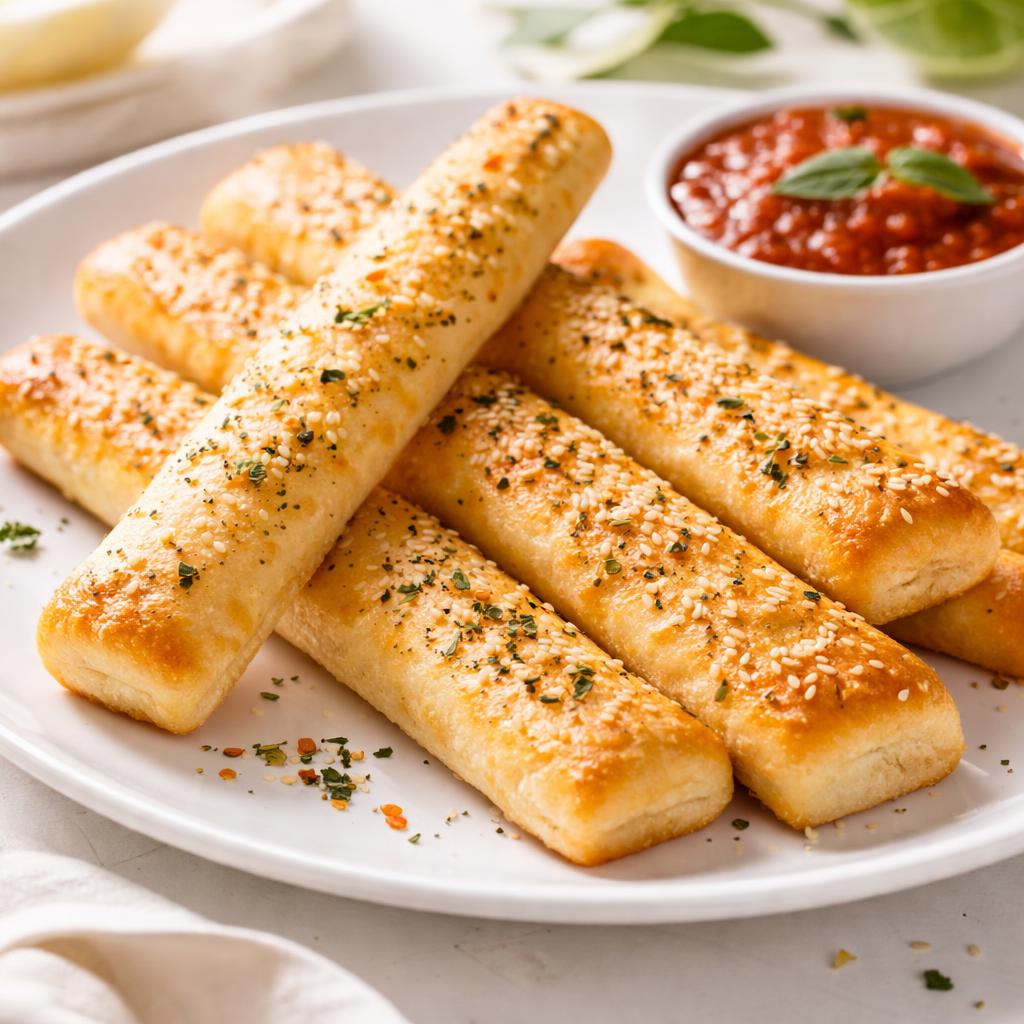
Breadsticks
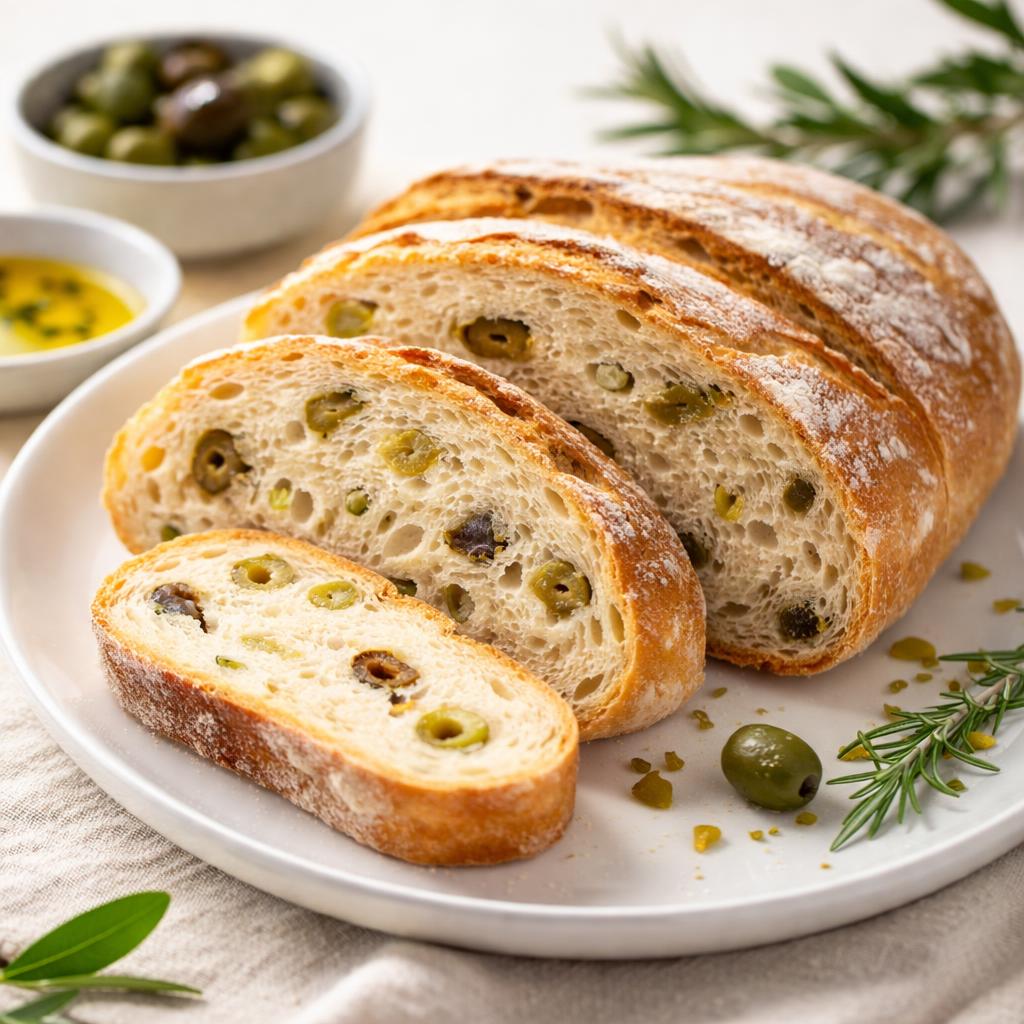
Olive Bread
🎯 Quick Verdict
While breadsticks are lower in calories and fat, olive bread is nutritionally denser with higher protein, fiber, and healthy fats due to its use of olive oil and whole grain flour. Breadsticks work well for lighter snacking, while olive bread offers more balanced nutrition suitable for sustained energy and heart health benefits.

Smart Nutrition Tracking with SnapCalorie

📊 Nutritional Comparison
Macronutrients
| Nutrient | Food 1 | Food 2 | Winner |
|---|---|---|---|
| Calories | 150 kcal | 200 kcal | ✓ |
| Protein | 4g | 6g | ✓ |
| Carbs | 28g | 25g | ✓ |
| Fat | 2g | 7g | ✓ |
| Fiber | 1g | 3g | ✓ |
Vitamins & Minerals
| Nutrient | Food 1 | Food 2 | Winner |
|---|---|---|---|
| Vitamin E | 0.1mg | 1.5mg | ✓ |
| Iron | 0.5mg | 2mg | ✓ |
| Calcium | 15mg | 30mg | ✓ |
🏆 Category Winners
Protein
Olive bread contains 50% more protein than breadsticks.
Fiber
Olive bread contains 3x the amount of fiber compared to breadsticks.
Calories
Breadsticks are 25% lower in calories than olive bread, making them a lighter option.
🥗 Diet Compatibility
Keto
Food 1: Not Compatible
Food 2: Not Compatible
Both are high in carbs and unsuitable for keto diets.
Vegan
Food 1: Compatible
Food 2: Compatible
Neither food includes animal-derived ingredients.
Gluten Free
Food 1: Not Compatible
Food 2: Not Compatible
Both contain gluten from wheat flour.
Paleo
Food 1: Not Compatible
Food 2: Not Compatible
Both include grains, which are non-paleo.
Low-Carb
Food 1: Not Compatible
Food 2: Not Compatible
Both have high carbohydrate content per serving.
💪 Health Benefits Comparison
Food 1 Benefits
- Lower calorie option for managing caloric intake
- Simple carbohydrates for immediate energy
- Light and easy to pair with dips or soups
Food 2 Benefits
- Rich in heart-healthy unsaturated fats from olives
- Higher in protein for muscle maintenance
- Good source of fiber for aiding digestion
- Contains vitamin E and iron for antioxidant and blood health benefits
✅ The Bottom Line
If you're looking for a light snack or side with fewer calories, breadsticks may be a better fit. However, olive bread offers more nutrients overall, with higher protein, fiber, and healthy fats, making it ideal for a more substantial and balanced food choice. Olive bread is better suited for sustained energy and heart health, while breadsticks fit in lighter eating scenarios.
Choose Food 1 for: Low-calorie snacking, light meal accompaniments
Choose Food 2 for: Heart health, balanced meals, nutrient-dense snacking


