Breaded Chicken VS Red Rice
A detailed nutritional comparison

Breaded Chicken
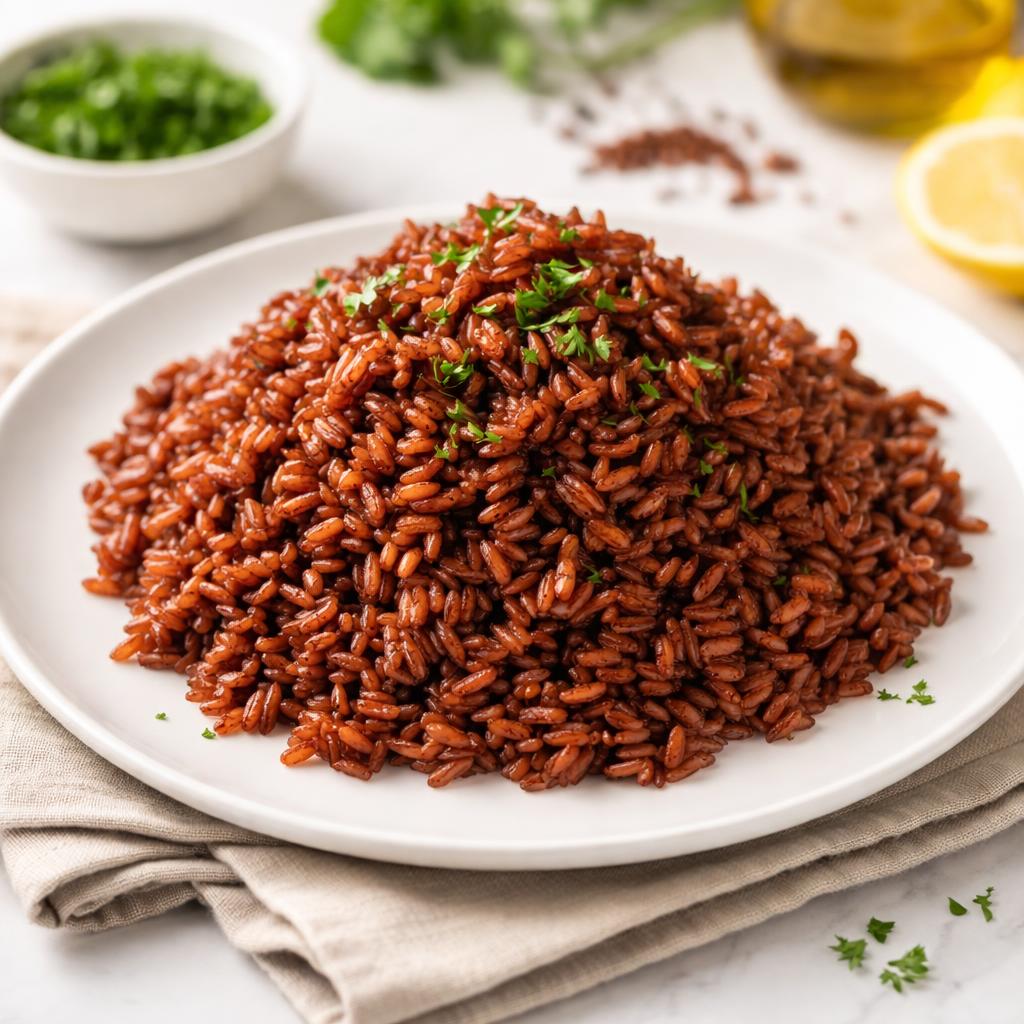
Red Rice
🎯 Quick Verdict
Breaded chicken is higher in protein and excellent for muscle maintenance, whereas red rice provides more fiber and fewer calories, making it great for digestive health and weight management. Breaded chicken is best suited for high-protein or post-workout meals, while red rice serves as a nutrient-dense option for balanced diets or vegan meals.

Smart Nutrition Tracking with SnapCalorie

📊 Nutritional Comparison
Macronutrients
| Nutrient | Food 1 | Food 2 | Winner |
|---|---|---|---|
| Calories | 250 | 218 | ✓ |
| Protein | 19g | 4g | ✓ |
| Carbs | 10g | 45g | ✓ |
| Fat | 13g | 2g | ✓ |
| Fiber | 0.5g | 3g | ✓ |
Vitamins & Minerals
| Nutrient | Food 1 | Food 2 | Winner |
|---|---|---|---|
| Vitamin D | 2mcg | 0mcg | ✓ |
| Calcium | 15mg | 21mg | ✓ |
| Iron | 0.5mg | 1.5mg | ✓ |
| Vitamin B6 | 0.5mg | 0.15mg | ✓ |
🏆 Category Winners
Protein
Breaded chicken contains nearly five times the protein of red rice, making it superior for muscle maintenance.
Fiber
Red rice has six times more fiber than breaded chicken, supporting digestive health.
Calories
Red rice is lower in calories by approximately 13%, making it better for weight management.
Vitamins
Breaded chicken is rich in Vitamin D and B6, while red rice provides more calcium and iron. Both complement different dietary needs.
🥗 Diet Compatibility
Keto
Food 1: Compatible
Food 2: Not Compatible
Breaded chicken is low-carb (10g per serving).
Vegan
Food 1: Not Compatible
Food 2: Compatible
Red rice is plant-based, while breaded chicken contains animal products.
Gluten Free
Food 1: Depends on preparation
Food 2: Compatible
Breaded chicken may contain gluten if prepared with breadcrumbs; red rice is naturally gluten-free.
Paleo
Food 1: Not Compatible
Food 2: Compatible
Breaded chicken typically includes processed ingredients not allowed on paleo diets; red rice fits paleo guidelines.
Low-Carb
Food 1: Compatible
Food 2: Not Compatible
Breaded chicken is relatively low in carbohydrates compared to red rice.
💪 Health Benefits Comparison
Food 1 Benefits
- Excellent source of protein for muscle growth and repair
- Contains Vitamin D for bone health
- Provides Vitamin B6 for energy metabolism and brain function
Food 2 Benefits
- High in fiber for improved digestion
- Rich in iron, aiding oxygen transport in the blood
- Low in fat, supporting heart health
- Provides antioxidants for overall cell health
✅ The Bottom Line
Breaded chicken excels in protein content and is a great choice for those looking to boost their protein intake or for post-workout recovery. Red rice, however, is lower in calories, higher in fiber, and suitable for vegan, paleo, or heart-healthy diets. Choosing between the two depends on your dietary goals.
Choose Food 1 for: High-protein diets, post-workout meals, low-carb eating
Choose Food 2 for: Weight management, vegan and paleo diets, digestive health


