Breaded Chicken VS Protein Pasta
A detailed nutritional comparison
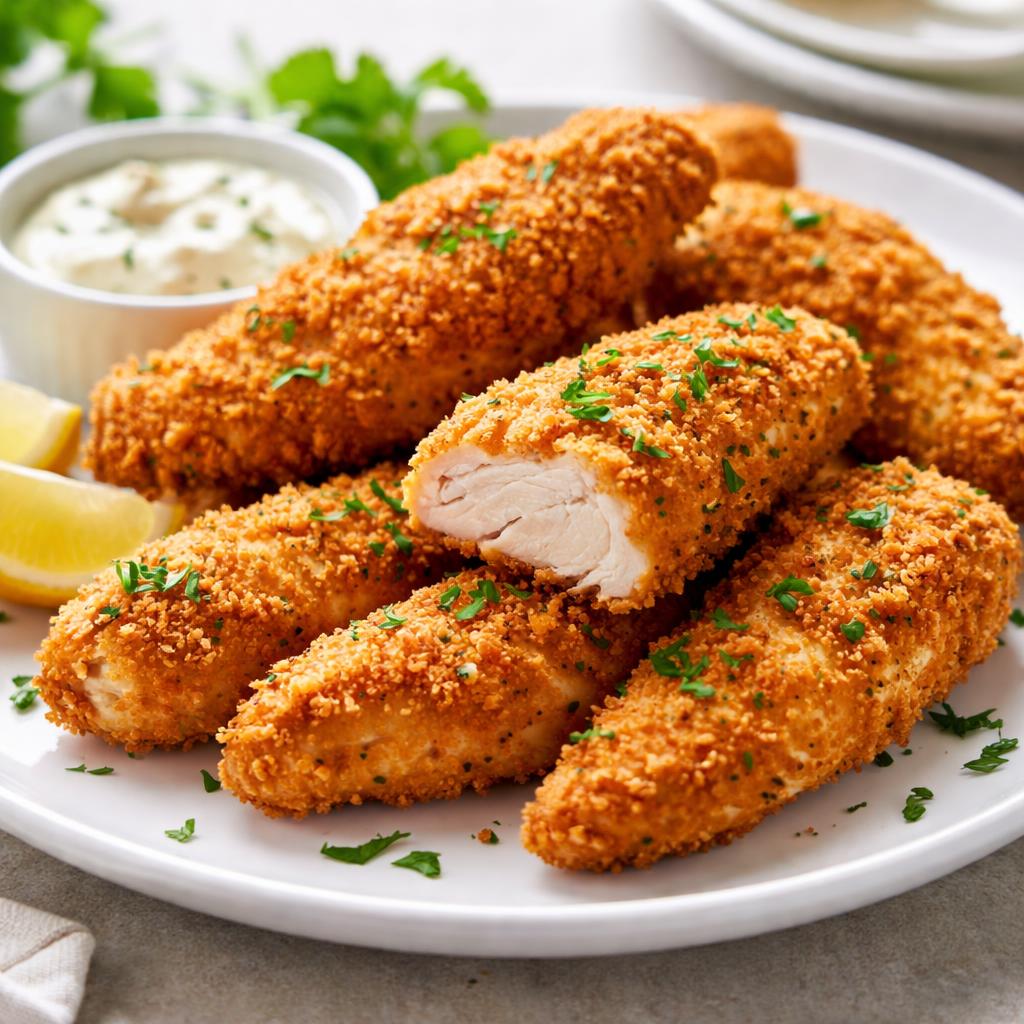
Breaded Chicken
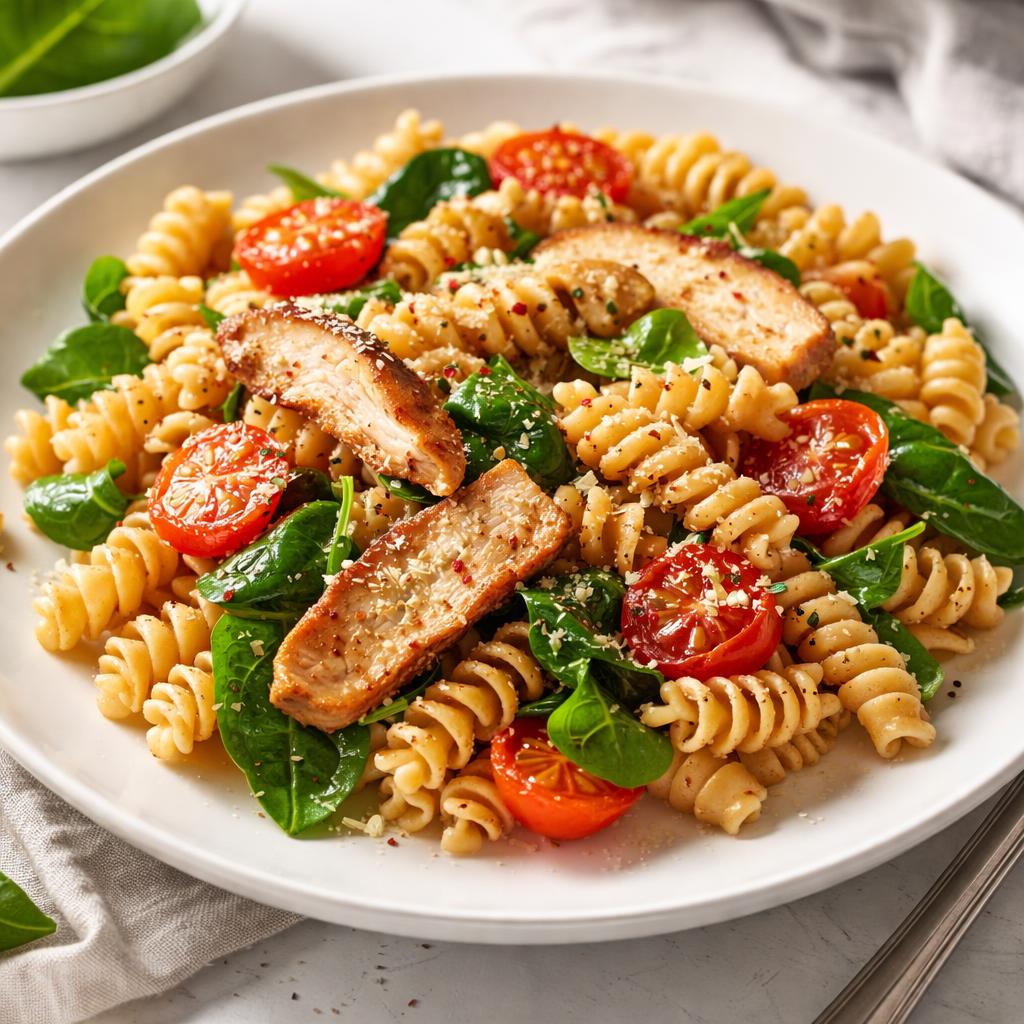
Protein Pasta
🎯 Quick Verdict
Protein pasta outshines breaded chicken in several areas, including protein content, fiber density, and calorie control, making it a better all-around choice for weight management and sustained energy. Breaded chicken is higher in fat and less fiber-rich, but it may suit those seeking richer, indulgent flavors or quick protein sources post-workout.

Smart Nutrition Tracking with SnapCalorie

📊 Nutritional Comparison
Macronutrients
| Nutrient | Food 1 | Food 2 | Winner |
|---|---|---|---|
| Calories | 250 | 190 | ✓ |
| Protein | 14g | 20g | ✓ |
| Carbs | 15g | 32g | ✓ |
| Fat | 10g | 3g | ✓ |
| Fiber | 1g | 6g | ✓ |
Vitamins & Minerals
| Nutrient | Food 1 | Food 2 | Winner |
|---|---|---|---|
| Vitamin D | 0mcg | 1mcg | ✓ |
| Calcium | 10mg | 45mg | ✓ |
| Iron | 1mg | 3mg | ✓ |
🏆 Category Winners
Protein
Protein pasta provides 43% more protein per serving.
Fiber
Protein pasta contains 6 times as much fiber as breaded chicken.
Calories
Protein pasta has 24% fewer calories per serving.
Vitamins
Protein pasta offers higher levels of calcium, iron, and vitamin D.
🥗 Diet Compatibility
Keto
Food 1: Compatible
Food 2: Not Compatible
Breaded chicken is lower in carbs (15g per serving).
Vegan
Food 1: Not Compatible
Food 2: Compatible
Breaded chicken is animal-based, while protein pasta is plant-based.
Gluten Free
Food 1: Not Compatible
Food 2: Depends on brand
Breaded chicken typically includes gluten; some protein pasta brands are gluten-free.
Paleo
Food 1: Not Compatible
Food 2: Not Compatible
Neither food aligns with paleo principles due to processing or added grains.
Low-Carb
Food 1: Compatible
Food 2: Not Compatible
Breaded chicken is relatively low in carbs compared to protein pasta.
💪 Health Benefits Comparison
Food 1 Benefits
- Moderate protein content for muscle repair
- Rich in fats for quick energy
- Can be flavored and versatile as comfort food
Food 2 Benefits
- High protein for muscle growth and satiety
- Rich in fiber for improved digestion
- Lower calorie density for weight control
- Provides essential vitamins (iron, calcium, and vitamin D)
✅ The Bottom Line
Protein pasta is a healthier, nutrient-dense choice for overall well-being, weight management, and energy needs. Breaded chicken suits those on low-carb diets or looking for richer flavors in comfort meals. Choose protein pasta for long-term dietary benefits and breaded chicken for occasional indulgence or specific low-carb plans.
Choose Food 1 for: Low-carb diets, quick post-workout recovery, higher fat energy sources
Choose Food 2 for: Weight management, vegan protein diets, improved digestive health


