Breaded Chicken VS Japanese Rice
A detailed nutritional comparison

Breaded Chicken
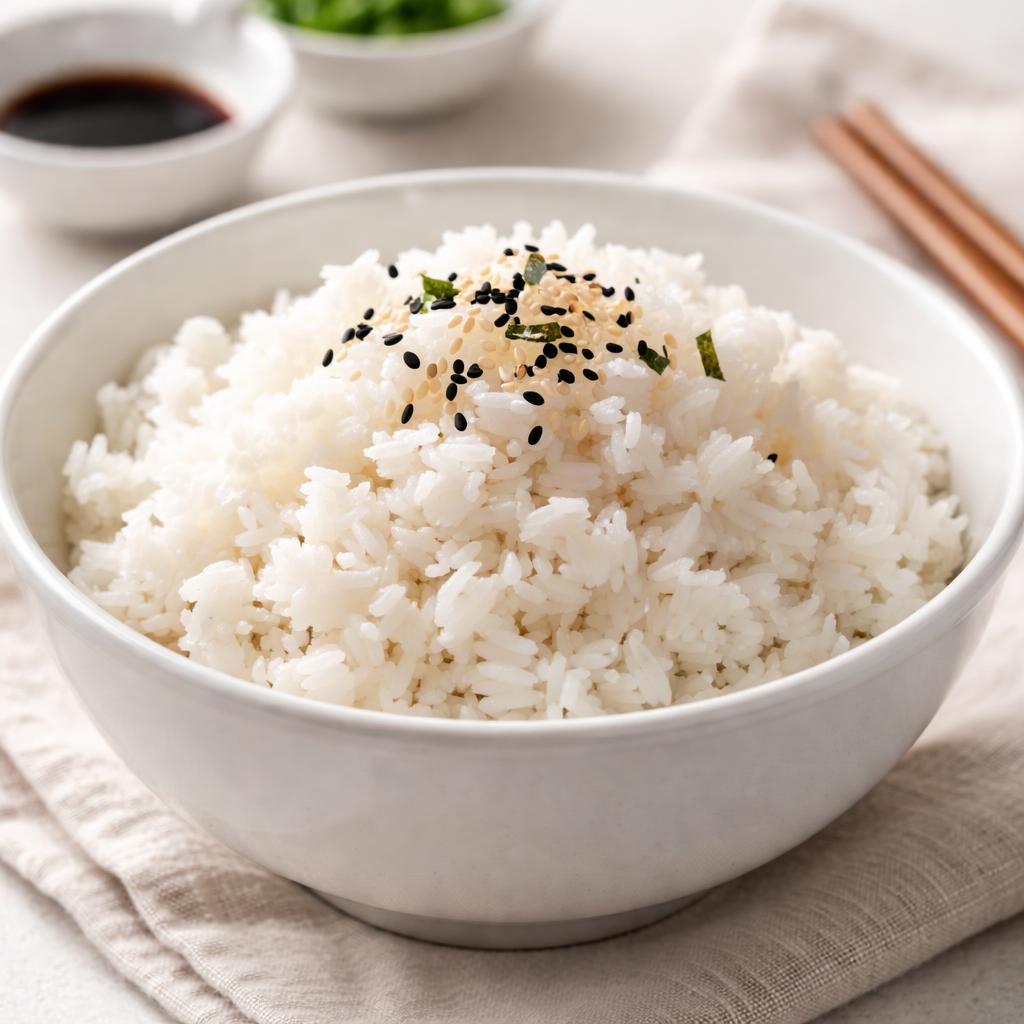
Japanese Rice
🎯 Quick Verdict
Breaded chicken offers significantly more protein than Japanese rice, making it a better option for muscle building or post-workout recovery. Japanese rice, on the other hand, is lower in calories and provides more fiber, making it suitable for sustained energy and digestion support. Each food has unique benefits based on your dietary goals.

Smart Nutrition Tracking with SnapCalorie

📊 Nutritional Comparison
Macronutrients
| Nutrient | Food 1 | Food 2 | Winner |
|---|---|---|---|
| Calories | 220 | 130 | ✓ |
| Protein | 18g | 2g | ✓ |
| Carbs | 15g | 28g | ✓ |
| Fat | 10g | 0g | ✓ |
| Fiber | 0.8g | 1g | ✓ |
Vitamins & Minerals
| Nutrient | Food 1 | Food 2 | Winner |
|---|---|---|---|
| Vitamin D | 1mcg | 0mcg | ✓ |
| Calcium | 15mg | 5mg | ✓ |
| Iron | 1mg | 0.2mg | ✓ |
🏆 Category Winners
Protein
Breaded chicken provides 18g of protein per serving, which is significantly higher than Japanese rice's 2g.
Fiber
Japanese rice has slightly more fiber (1g vs 0.8g).
Calories
Japanese rice contains 130 calories per serving, while breaded chicken has 220 calories.
🥗 Diet Compatibility
Keto
Food 1: Not Compatible
Food 2: Not Compatible
Both are too high in carbs for keto diets.
Vegan
Food 1: Not Compatible
Food 2: Compatible
Breaded chicken is animal-based, while Japanese rice is plant-based.
Gluten Free
Food 1: Not Compatible
Food 2: Compatible
Breaded chicken usually contains gluten due to breadcrumbs.
Paleo
Food 1: Not Compatible
Food 2: Not Compatible
Breaded chicken is processed, and rice is not paleo-compliant.
Low-Carb
Food 1: Not Compatible
Food 2: Not Compatible
Both foods are moderately high in carbs.
💪 Health Benefits Comparison
Food 1 Benefits
- Excellent source of protein for muscle repair
- Contains moderate amounts of iron for oxygen transport
- Provides modest levels of calcium for bone health
Food 2 Benefits
- Low-calorie option, ideal for weight management
- Provides fiber for digestive health
- Rich in carbohydrates for sustained energy
✅ The Bottom Line
Choose breaded chicken for protein needs and post-workout recovery. Opt for Japanese rice for a lighter, low-calorie base in meals or sustained energy during the day.
Choose Food 1 for: Muscle building, post-workout recovery, high-protein meals
Choose Food 2 for: Weight management, vegan/plant-based diets, energy-sustaining meals


