Bread With Spread VS Olive Bread
A detailed nutritional comparison
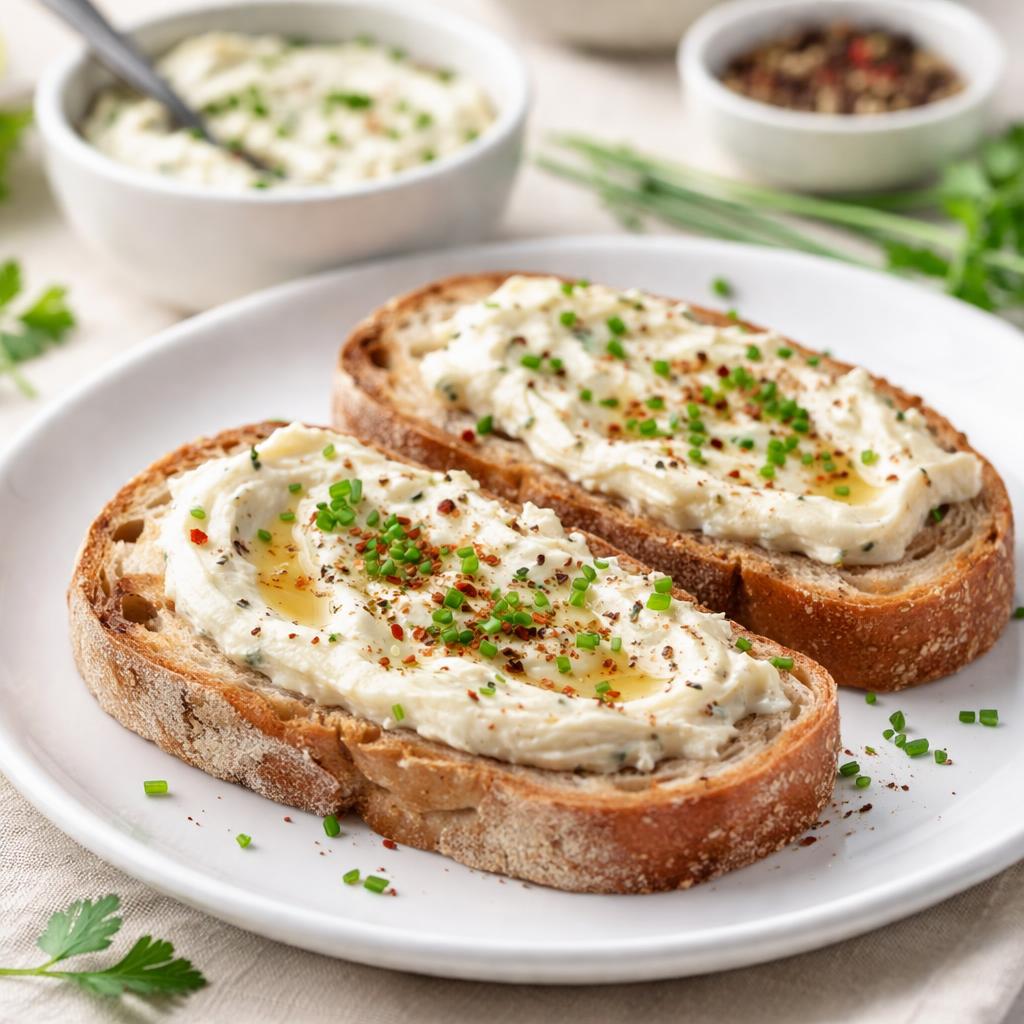
Bread With Spread
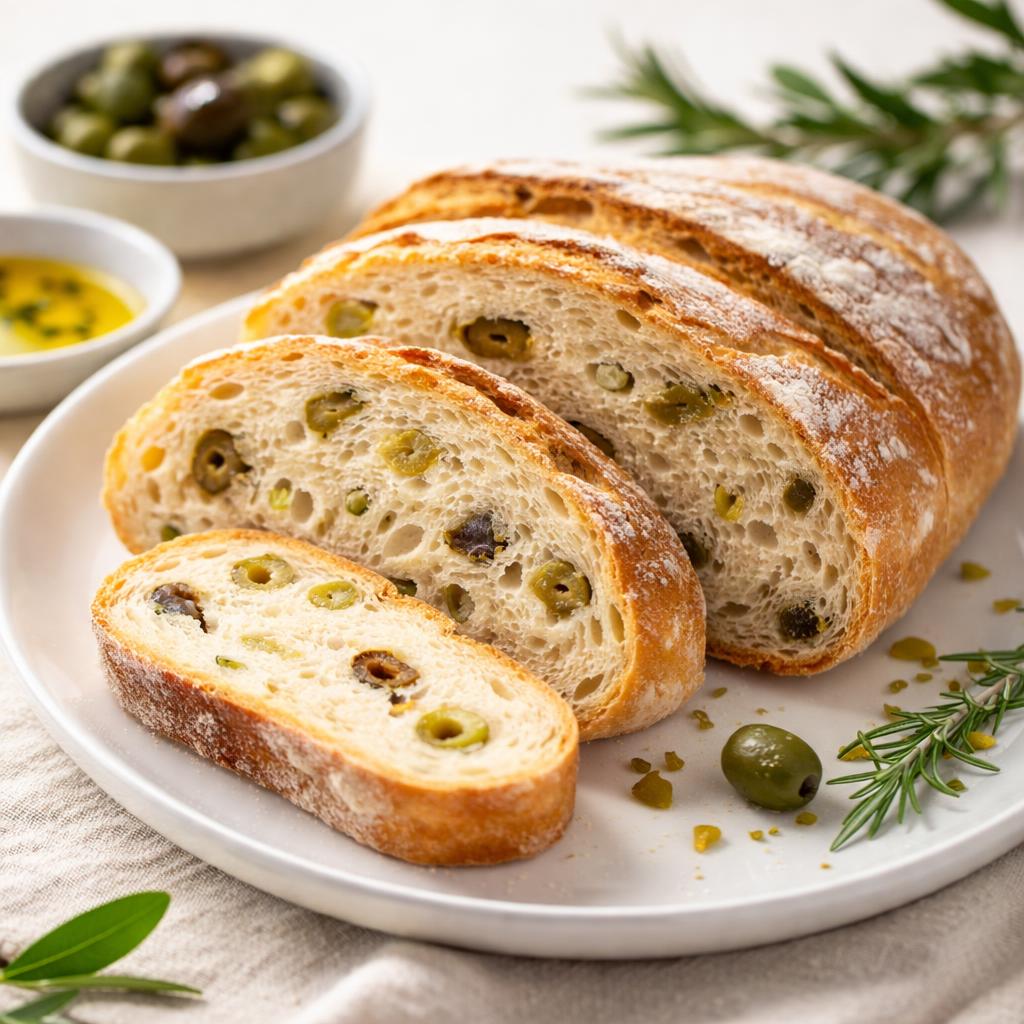
Olive Bread
🎯 Quick Verdict
Olive bread (Food 2) is lower in calories and significantly higher in fiber compared to bread with spread (Food 1), making it better suited for digestion and weight management. Food 1 offers slightly more protein and versatility for customizable toppings, making it more appealing for muscle-building diets. Both options differ in their nutrient profiles, offering unique benefits depending on dietary goals.

Smart Nutrition Tracking with SnapCalorie

📊 Nutritional Comparison
Macronutrients
| Nutrient | Food 1 | Food 2 | Winner |
|---|---|---|---|
| Calories | 250 | 190 | ✓ |
| Protein | 7g | 5g | ✓ |
| Carbs | 30g | 28g | ✓ |
| Fat | 12g | 7g | ✓ |
| Fiber | 2g | 4g | ✓ |
Vitamins & Minerals
| Nutrient | Food 1 | Food 2 | Winner |
|---|---|---|---|
| Vitamin D | 0mcg | 0mcg | − |
| Calcium | 50mg | 80mg | ✓ |
| Iron | 1.5mg | 2mg | ✓ |
🏆 Category Winners
Protein
Food1 offers 40% more protein mainly due to spread additions.
Fiber
Food2 contains double the fiber, promoting better digestion.
Calories
Food2 has 24% fewer calories.
🥗 Diet Compatibility
Keto
Food 1: Not Compatible
Food 2: Not Compatible
Both are carb-heavy and not suitable for a keto diet.
Vegan
Food 1: Depends on spread
Food 2: Compatible
Food2 is plant-based, while Food1 depends on non-vegan spreads like butter.
Gluten Free
Food 1: Not Compatible
Food 2: Not Compatible
Both contain gluten due to bread content.
Paleo
Food 1: Not Compatible
Food 2: Not Compatible
Both are processed and contain grain, making them unsuitable for paleo diets.
Low-Carb
Food 1: Not Compatible
Food 2: Not Compatible
Both are carb-heavy and unsuitable for low-carb diets.
💪 Health Benefits Comparison
Food 1 Benefits
- Provides protein for muscle growth and repair
- Versatile, allowing for nutrient-dense spreads or toppings
- Contains healthy fats from spread, good for energy
Food 2 Benefits
- High fiber content supports gut health
- Lower fat and calorie profile for weight management
- Rich in antioxidants due to olive inclusion, promoting heart health
✅ The Bottom Line
If you are looking for a lower-calorie, high-fiber option, olive bread (Food 2) is the better choice for weight management and digestion. Bread with spread (Food 1) is slightly higher in protein and more flexible for topping variations, making it more suitable for active lifestyles and post-workout snacks. Both have their place, but Food 2 edges out as a more nutrient-dense option overall.
Choose Food 1 for: Customizable meals, muscle-building diets, post-workout snacks
Choose Food 2 for: Weight management, gut health, heart health


