Bread With Spread VS Chickpea Pasta
A detailed nutritional comparison
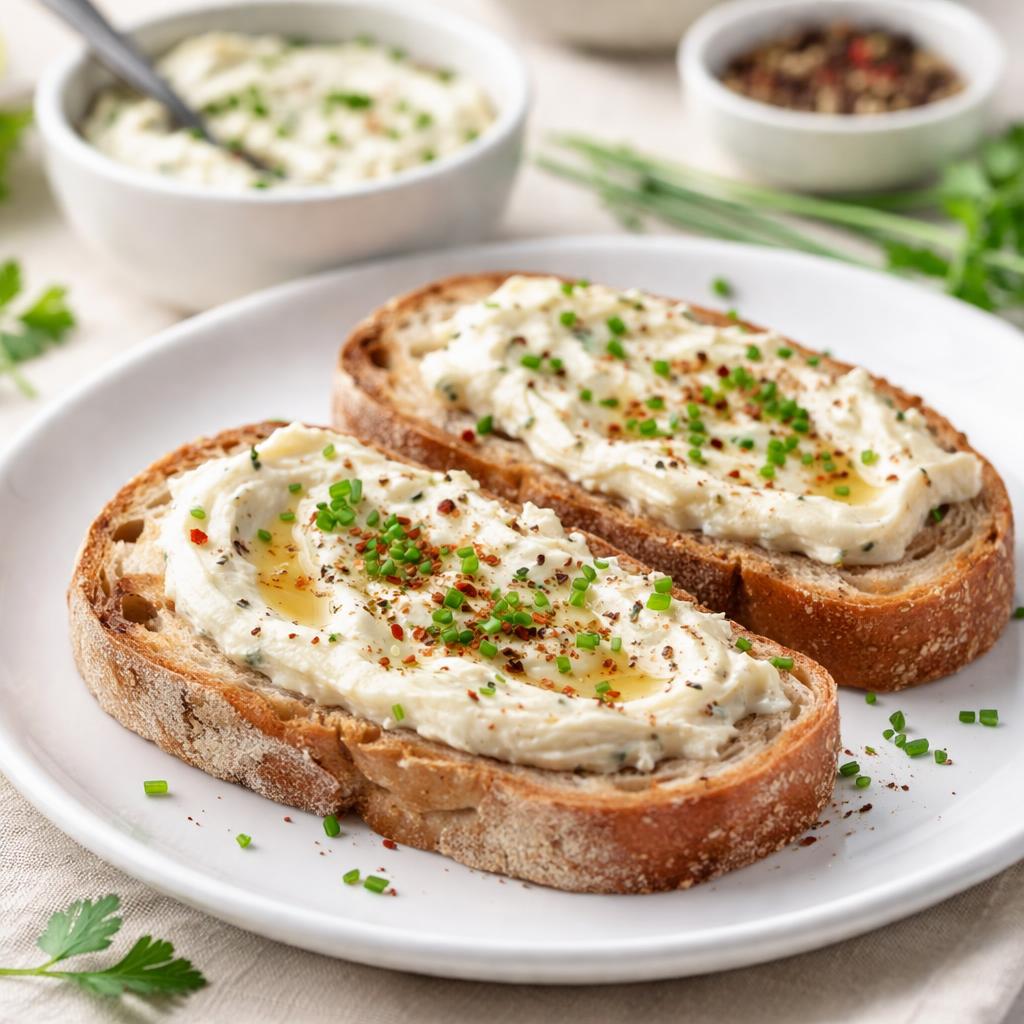
Bread With Spread
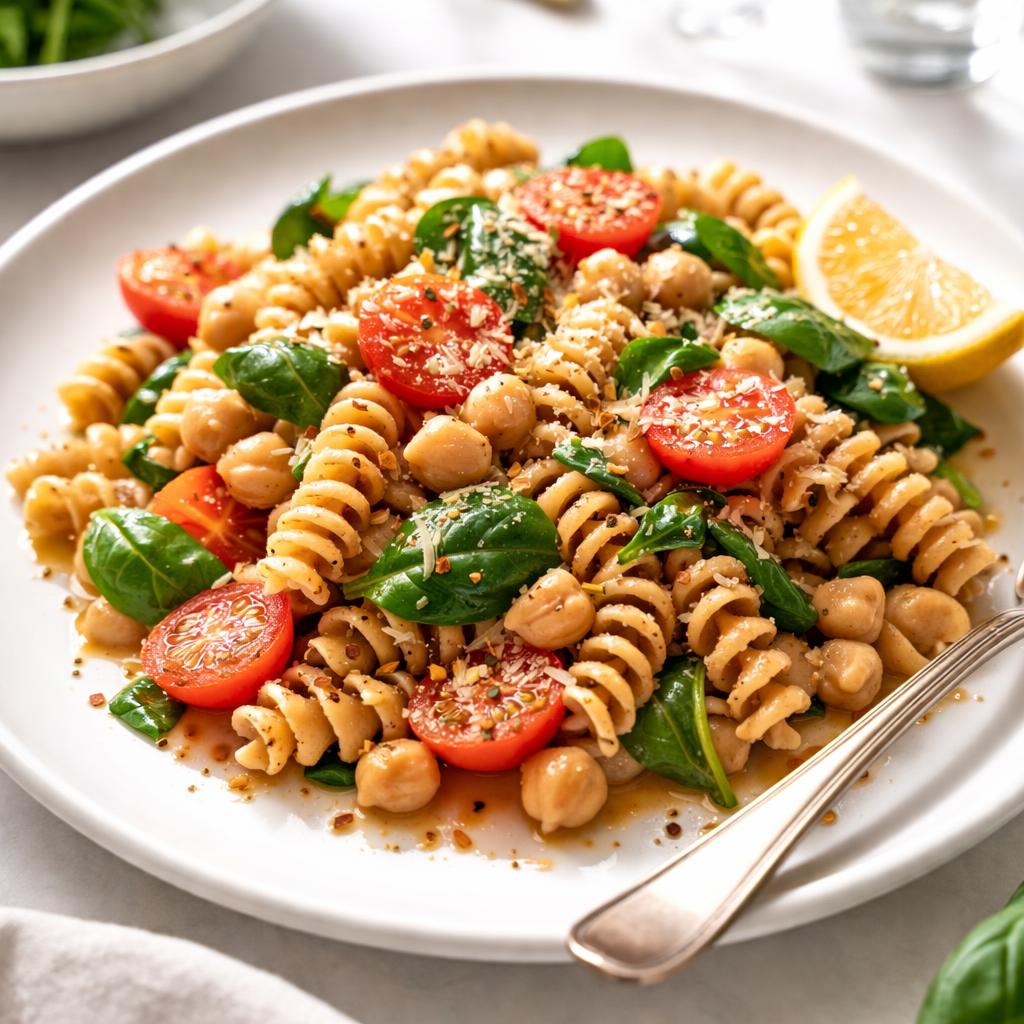
Chickpea Pasta
🎯 Quick Verdict
Chickpea pasta (food2) outperforms bread with spread (food1) in protein and fiber content, making it a better choice for muscle building and digestion. Bread and spread have fewer calories per serving, which might suit lower calorie diets or a quick snack option. Chickpea pasta is nutrient-dense and works well for health-conscious meals or plant-based diets.

Smart Nutrition Tracking with SnapCalorie

📊 Nutritional Comparison
Macronutrients
| Nutrient | Food 1 | Food 2 | Winner |
|---|---|---|---|
| Calories | 190 | 170 | ✓ |
| Protein | 5g | 14g | ✓ |
| Carbs | 30g | 32g | ✓ |
| Fat | 5g | 3g | ✓ |
| Fiber | 2g | 8g | ✓ |
Vitamins & Minerals
| Nutrient | Food 1 | Food 2 | Winner |
|---|---|---|---|
| Iron | 0.6mg | 2.7mg | ✓ |
| Calcium | 15mg | 50mg | ✓ |
| Vitamin B6 | 0.05mg | 0.15mg | ✓ |
🏆 Category Winners
Protein
Food2 has nearly three times the protein content, ideal for muscle building and repair.
Fiber
Food2 delivers four times more fiber per serving, supporting digestive health.
Calories
Food2 has slightly fewer calories, making it slightly better for calorie-conscious choices.
🥗 Diet Compatibility
Keto
Food 1: Not Compatible
Food 2: Not Compatible
Both are high in carbohydrates.
Vegan
Food 1: Compatible
Food 2: Compatible
Both foods are plant-based and vegan-friendly.
Gluten Free
Food 1: Not Compatible
Food 2: Compatible
Food2 (chickpea pasta) is gluten-free, while bread often contains gluten.
Paleo
Food 1: Not Compatible
Food 2: Compatible
Food1 contains processed wheat, while food2 (made from chickpeas) aligns with paleo dietary principles.
Low Carb
Food 1: Not Compatible
Food 2: Not Compatible
Both foods are carb-heavy and not suitable for low-carb diets.
💪 Health Benefits Comparison
Food 1 Benefits
- Provides quick energy from carbohydrates
- Easy to prepare and versatile as a snack or breakfast
- Contains small amounts of fat for sustained energy
Food 2 Benefits
- Rich in protein for muscle and tissue repair
- High fiber content for digestive health
- Contains iron and other minerals that support energy metabolism
✅ The Bottom Line
Chickpea pasta (food2) is the better choice for protein and fiber, benefiting muscle growth and digestion. Bread with spread (food1) is more convenient for quick meals or snacks but may lack the nutrient density of chickpea pasta.
Choose Food 1 for: Quick snacks, breakfast options, lighter meals
Choose Food 2 for: Plant-based main meals, muscle building, digestive health


