Bread With Butter VS Walnut Bread
A detailed nutritional comparison

Bread With Butter
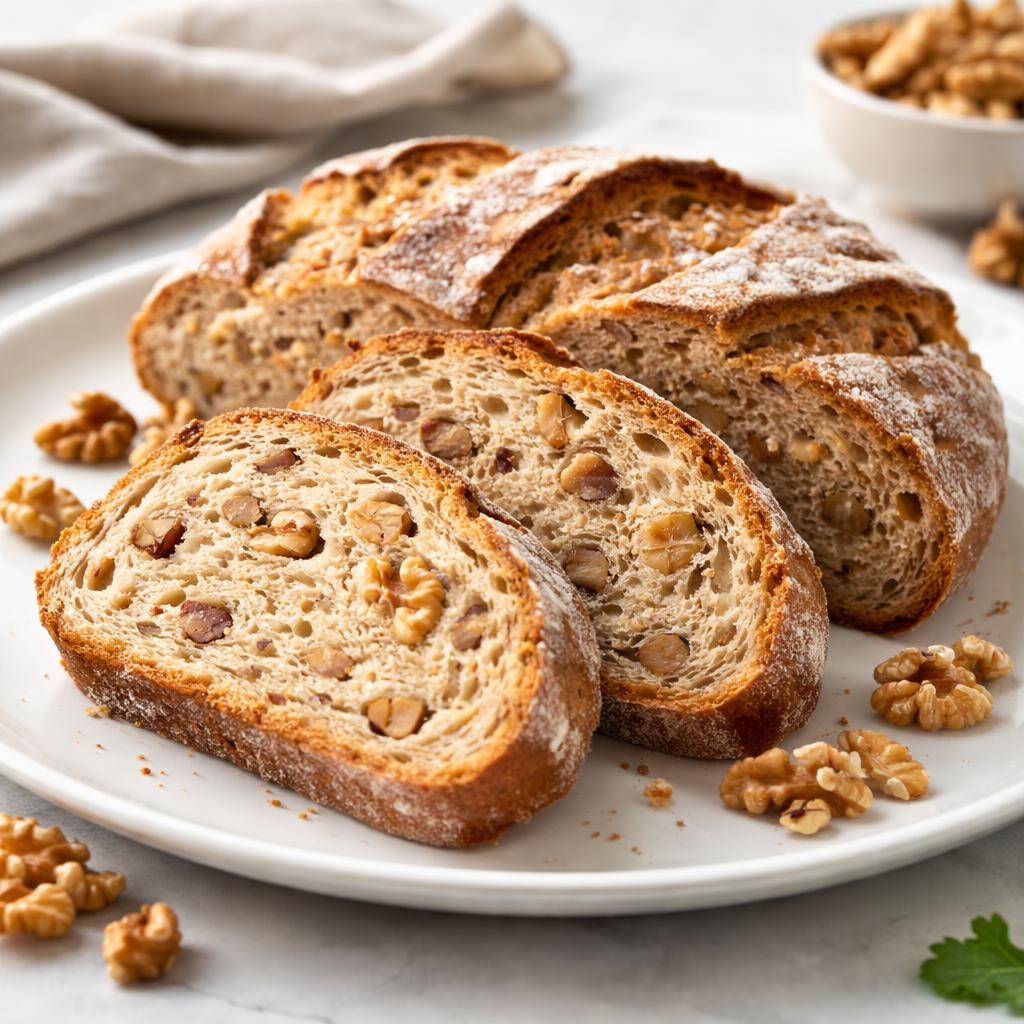
Walnut Bread
🎯 Quick Verdict
Walnut bread outperforms bread with butter in terms of protein and fiber, making it a better option for sustained energy and digestive health. Bread with butter is lower in calories and fat, making it suitable for those seeking lighter options or quick energy boosts.

Smart Nutrition Tracking with SnapCalorie

📊 Nutritional Comparison
Macronutrients
| Nutrient | Food 1 | Food 2 | Winner |
|---|---|---|---|
| Calories | 200 | 250 | ✓ |
| Protein | 5g | 7g | ✓ |
| Carbs | 20g | 22g | ✓ |
| Fat | 10g | 15g | ✓ |
| Fiber | 1g | 3g | ✓ |
Vitamins & Minerals
| Nutrient | Food 1 | Food 2 | Winner |
|---|---|---|---|
| Vitamin E | 0.5mg | 1.5mg | ✓ |
| Magnesium | 10mg | 25mg | ✓ |
| Iron | 0.5mg | 1mg | ✓ |
🏆 Category Winners
Protein
Walnut bread contains 40% more protein per serving.
Fiber
Walnut bread has triple the fiber content.
Calories
Bread with butter is 20% lower in calories compared to walnut bread.
Vitamins
Walnut bread offers more vitamin E, magnesium, and iron per serving.
🥗 Diet Compatibility
Keto
Food 1: Not Compatible
Food 2: Not Compatible
Both options are high in carbs.
Vegan
Food 1: Not Compatible
Food 2: Compatible
Bread with butter includes dairy, whereas walnut bread is plant-based.
Gluten Free
Food 1: Not Compatible
Food 2: Not Compatible
Both foods contain gluten.
Paleo
Food 1: Not Compatible
Food 2: Not Compatible
Both foods are grain-based, not compliant with paleo diets.
Low Carb
Food 1: Not Compatible
Food 2: Not Compatible
Both foods are moderate to high in carbohydrates.
💪 Health Benefits Comparison
Food 1 Benefits
- Provides quick energy due to carbohydrates
- Contains healthy fats for satiety (from butter)
- Simple and easy-to-digest option
Food 2 Benefits
- Higher in protein to support muscle repair
- Rich in omega-3 fats from walnuts for brain and heart health
- Contains fiber for improved digestion
✅ The Bottom Line
Choose bread with butter if you want a lower-calorie, quick energy option or a simple meal pairing. Opt for walnut bread when looking for a nutrient-dense, higher-protein, and fiber-rich food that offers sustained energy and heart benefits.
Choose Food 1 for: Quick snacks, light breakfasts, weight maintenance
Choose Food 2 for: Energy boost, heart health, protein-rich diets


