Bread With Butter VS Rye Bread
A detailed nutritional comparison

Bread With Butter
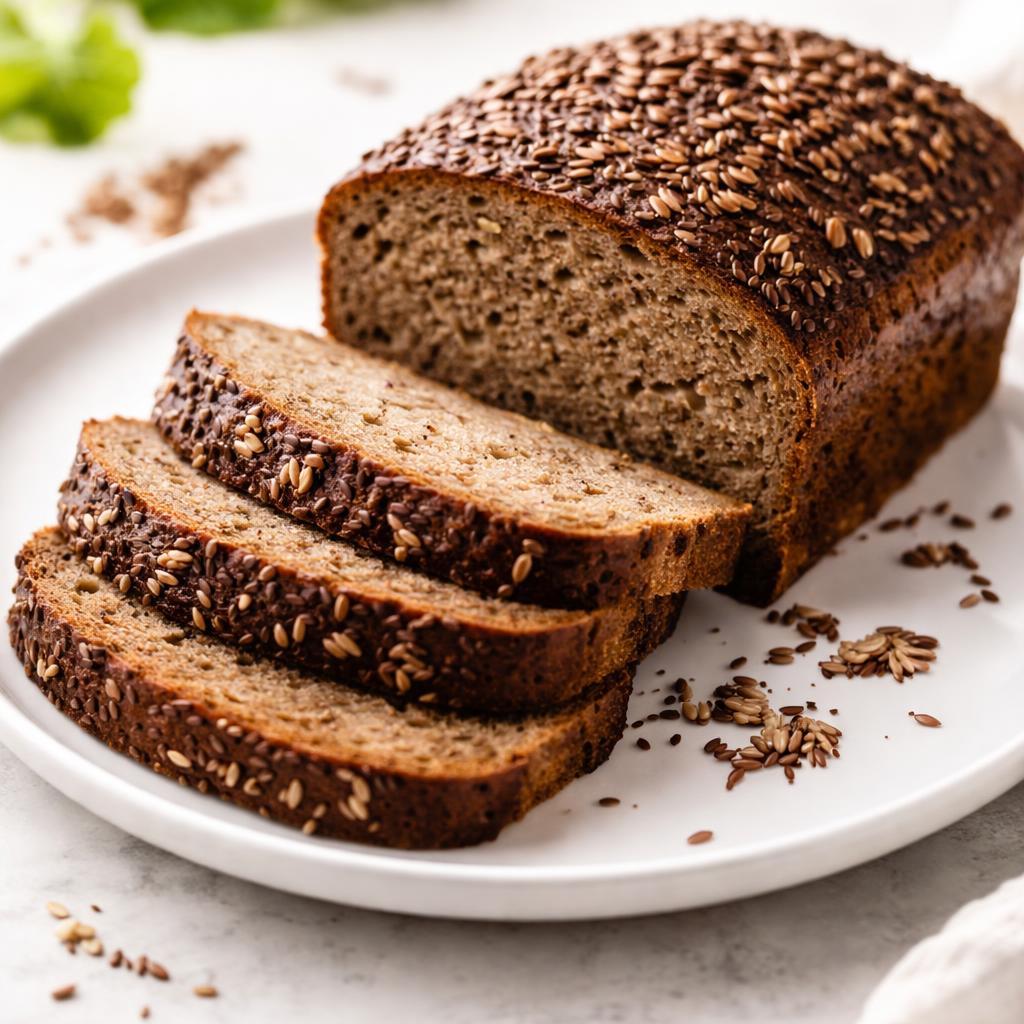
Rye Bread
🎯 Quick Verdict
Bread with butter provides more calories and fats, making it a more indulgent and energy-dense option, while rye bread offers significantly higher fiber and is lower in calories. Rye bread is better for digestion and weight management, whereas bread with butter might suit those needing quick energy or enjoying a savory snack.

Smart Nutrition Tracking with SnapCalorie

📊 Nutritional Comparison
Macronutrients
| Nutrient | Food 1 | Food 2 | Winner |
|---|---|---|---|
| Calories | 250 | 180 | ✓ |
| Protein | 6g | 6g | − |
| Carbs | 30g | 28g | ✓ |
| Fat | 12g | 2g | ✓ |
| Fiber | 1g | 4g | ✓ |
Vitamins & Minerals
| Nutrient | Food 1 | Food 2 | Winner |
|---|---|---|---|
| Vitamin D | 0mcg | 0mcg | − |
| Calcium | 25mg | 35mg | ✓ |
| Iron | 0.8mg | 1.2mg | ✓ |
🏆 Category Winners
Protein
Both foods provide 6g of protein per serving.
Fiber
Rye bread has 4x the fiber content compared to bread with butter.
Calories
Rye bread contains 28% fewer calories.
🥗 Diet Compatibility
Keto
Food 1: Not Compatible
Food 2: Not Compatible
Both are too high in carbohydrates to fit keto diets.
Vegan
Food 1: Not Compatible
Food 2: Compatible
Bread with butter uses dairy butter, whereas rye bread has no animal-derived ingredients.
Gluten Free
Food 1: Not Compatible
Food 2: Not Compatible
Both contain gluten from wheat or rye flour.
Paleo
Food 1: Not Compatible
Food 2: Not Compatible
Neither fits paleo restrictions due to grains.
Low-Carb
Food 1: Not Compatible
Food 2: Not Compatible
Carbohydrates exceed typical low-carb diet limits for both foods.
💪 Health Benefits Comparison
Food 1 Benefits
- Provides quick energy from carbs and fats
- Can support weight gain diets due to higher calorie density
- Contains moderate protein for muscle repair
Food 2 Benefits
- High in fiber for digestion and gut health
- Low calorie option for weight management
- Contains natural antioxidants from rye for cellular health
✅ The Bottom Line
Rye bread is the healthier and more nutrient-dense option, especially for those focused on digestion, weight management, or plant-based eating. Bread with butter, though higher in calories and fat, may appeal to individuals seeking indulgence or quick energy. Choose rye bread for everyday nutrition and bread with butter for occasional treats.
Choose Food 1 for: Quick energy, indulgent treat, weight gain diets
Choose Food 2 for: Digestive health, weight loss, plant-based eating


