Bread With Butter VS Pasta With Pesto
A detailed nutritional comparison
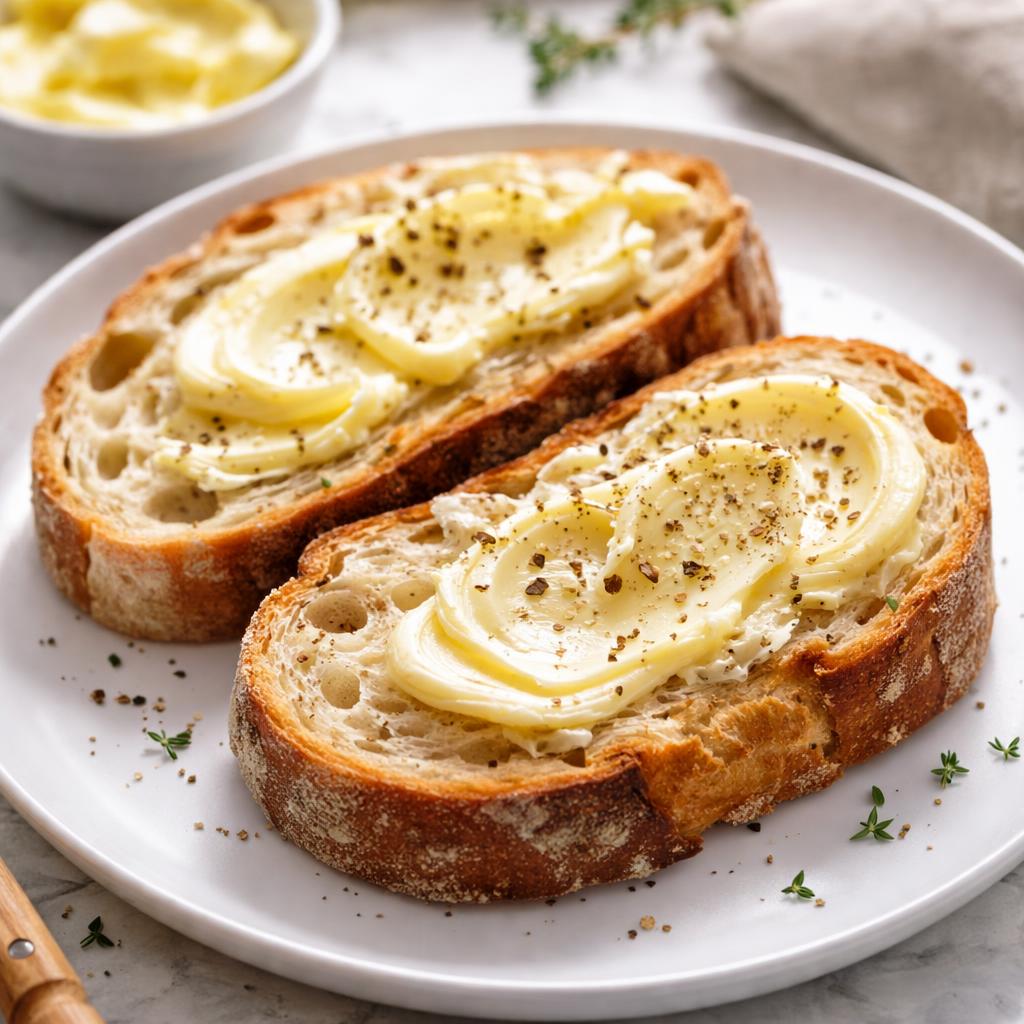
Bread With Butter
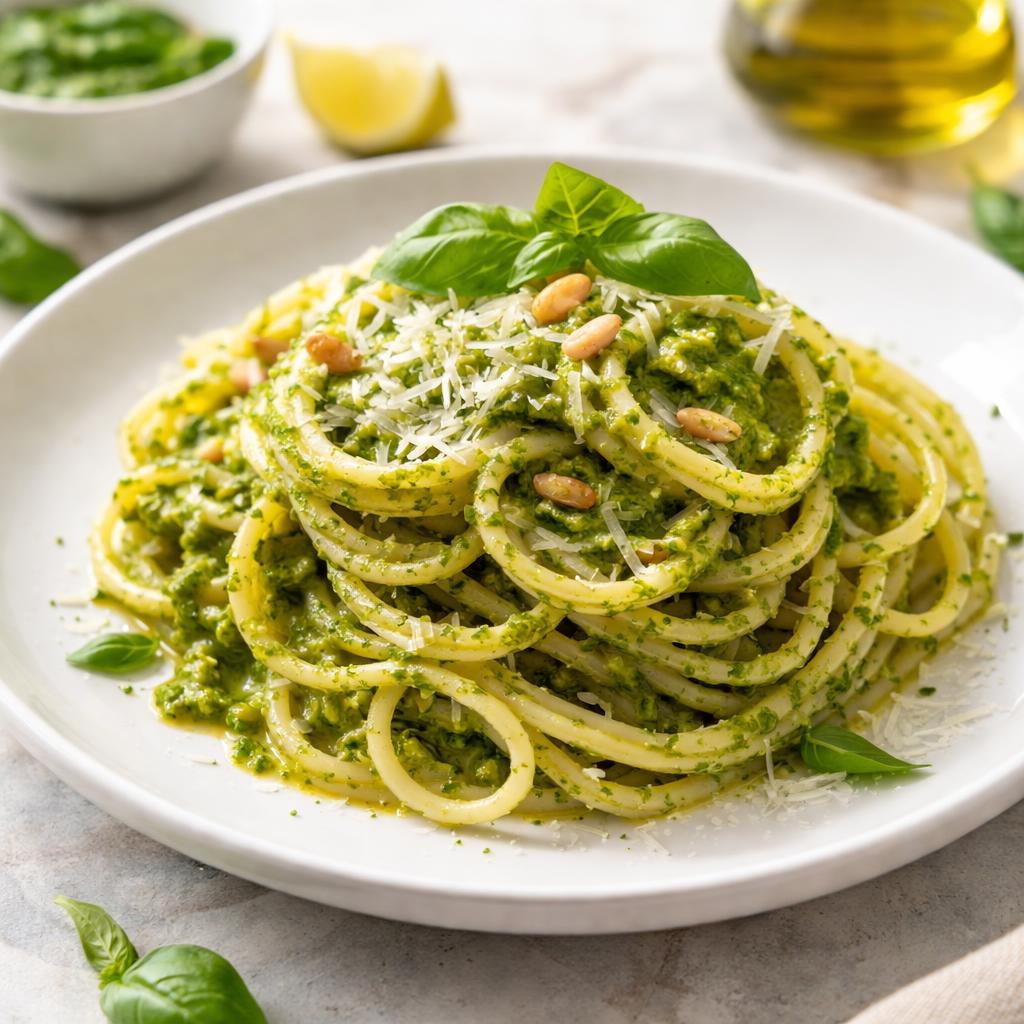
Pasta With Pesto
🎯 Quick Verdict
Bread with butter is more calorie-efficient with fewer carbs and fat per serving, making it ideal for lighter meals. Pasta with pesto provides more protein, fiber, and a richer nutritional profile, making it a better option for sustained energy and nutrient density. Both have distinct use cases depending on dietary goals and activity levels.

Smart Nutrition Tracking with SnapCalorie

📊 Nutritional Comparison
Macronutrients
| Nutrient | Food 1 | Food 2 | Winner |
|---|---|---|---|
| Calories | 240 | 320 | ✓ |
| Protein | 5g | 14g | ✓ |
| Carbs | 20g | 40g | ✓ |
| Fat | 12g | 17g | ✓ |
| Fiber | 2g | 5g | ✓ |
Vitamins & Minerals
| Nutrient | Food 1 | Food 2 | Winner |
|---|---|---|---|
| Vitamin D | 0mcg | 0mcg | − |
| Calcium | 30mg | 50mg | ✓ |
| Iron | 1mg | 2mg | ✓ |
🏆 Category Winners
Protein
Pasta with pesto contains nearly 3 times the protein content of bread with butter.
Fiber
Food2 offers 150% more fiber, partly due to the pesto and whole grains in the pasta.
Calories
Bread with butter contains 25% fewer calories per serving.
🥗 Diet Compatibility
Keto
Food 1: Not Compatible
Food 2: Not Compatible
Both are high-carb and not suitable for ketogenic diets.
Vegan
Food 1: Not Compatible
Food 2: Not Compatible
Butter and pesto contain animal ingredients.
Gluten Free
Food 1: Not Compatible
Food 2: Not Compatible
Bread and pasta typically contain gluten unless specifically labeled gluten-free.
Paleo
Food 1: Not Compatible
Food 2: Not Compatible
Grain-based foods do not align with paleo principles.
Low Carb
Food 1: Not Compatible
Food 2: Not Compatible
Both foods are high in carbohydrates.
💪 Health Benefits Comparison
Food 1 Benefits
- Quick source of energy from carbs
- Contains some fats for satiety
- Easy to digest, suitable for lighter meals
Food 2 Benefits
- Higher protein content for muscle repair
- Rich in fiber for digestion and fullness
- Provides healthy fats from pesto (olive oil, nuts)
✅ The Bottom Line
Bread with butter is a lower-calorie, lighter option suitable for quick, simple meals or snacks. Pasta with pesto is nutritionally richer and better for sustained energy, muscle repair, and fullness, making it the superior choice for active individuals or balanced meals.
Choose Food 1 for: Light snacks, quick meals, weight control
Choose Food 2 for: Active lifestyles, sustained energy, nutrient-dense meals


