Bread With Butter VS Brown Bread
A detailed nutritional comparison

Bread With Butter
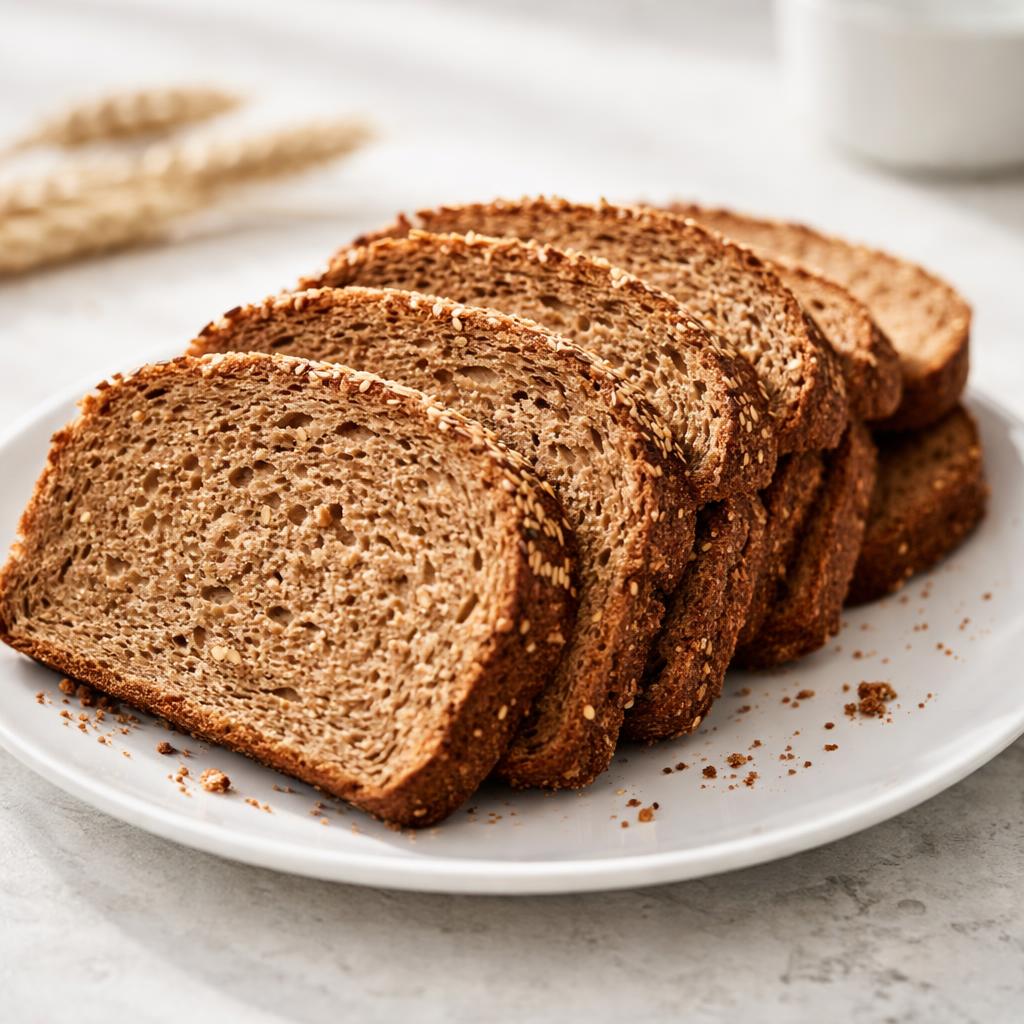
Brown Bread
🎯 Quick Verdict
Brown bread (food2) is healthier overall due to its lower calorie count, higher fiber content, and its role as a better source of sustained energy. Bread with butter (food1) is richer in fats and calories, making it more suitable for quick energy but less optimal for weight control or heart health diets.

Smart Nutrition Tracking with SnapCalorie

📊 Nutritional Comparison
Macronutrients
| Nutrient | Food 1 | Food 2 | Winner |
|---|---|---|---|
| Calories | 200 | 100 | ✓ |
| Protein | 5g | 5g | − |
| Carbs | 25g | 22g | ✓ |
| Fat | 10g | 1g | ✓ |
| Fiber | 1g | 3g | ✓ |
Vitamins & Minerals
| Nutrient | Food 1 | Food 2 | Winner |
|---|---|---|---|
| Vitamin D | 0.5mcg | 0mcg | ✓ |
| Calcium | 60mg | 30mg | ✓ |
| Iron | 1mg | 2mg | ✓ |
🏆 Category Winners
Protein
Both foods contain 5 grams of protein per serving.
Fiber
Brown bread has 3 grams of fiber compared to only 1 gram in bread with butter.
Calories
Brown bread has 50% fewer calories than bread with butter.
Vitamins
Bread with butter contains added Vitamin D and calcium from butter.
🥗 Diet Compatibility
Keto
Food 1: Not Compatible
Food 2: Not Compatible
Both are high-carb and unsuitable for keto diets.
Vegan
Food 1: Not Compatible
Food 2: Compatible
Bread with butter contains dairy, while brown bread is plant-based.
Gluten Free
Food 1: Not Compatible
Food 2: Not Compatible
Both foods contain gluten from wheat flour.
Paleo
Food 1: Not Compatible
Food 2: Not Compatible
Both are grain-based, which excludes them from paleo diets.
Low-Carb
Food 1: Not Compatible
Food 2: Not Compatible
Both foods exceed typical low-carb limits, containing 22-25g carbs.
💪 Health Benefits Comparison
Food 1 Benefits
- Provides quick energy due to higher calorie and fat content
- Contains Vitamin D and calcium for bone health
- Good source of simple carbs for immediate fuel
Food 2 Benefits
- Higher fiber content improves digestion
- Lower calorie option supports weight management
- Rich in iron for improved oxygen transport in the body
✅ The Bottom Line
Food1 (bread with butter) is a higher-calorie, energy-intensive snack suited for quick refueling or indulgence. Food2 (brown bread) is more nutritionally balanced, with higher fiber and fewer calories, making it a better choice for overall health and weight management.
Choose Food 1 for: Quick energy boost, indulgence, bone health support
Choose Food 2 for: Weight loss, digestive health, sustained energy


