Bread With Butter VS Bread With Cheese
A detailed nutritional comparison

Bread With Butter
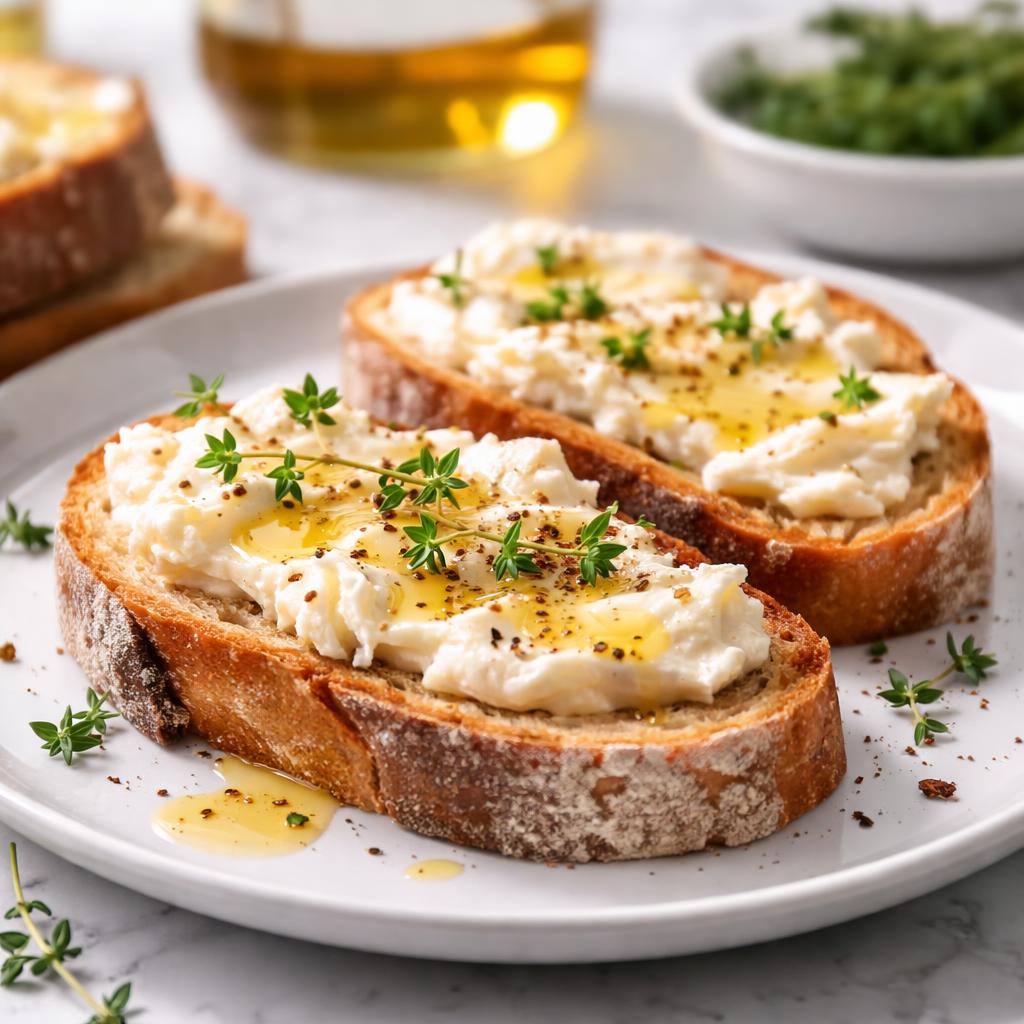
Bread With Cheese
🎯 Quick Verdict
Bread with cheese is higher in protein and provides more calcium, making it a better choice for muscle maintenance and bone health. Bread with butter, however, is lower in calories and fat, which may appeal to those watching their calorie intake. Both options contain similar amounts of fiber due to the bread component, but vary in their health benefits based on the topping chosen.

Smart Nutrition Tracking with SnapCalorie

📊 Nutritional Comparison
Macronutrients
| Nutrient | Food 1 | Food 2 | Winner |
|---|---|---|---|
| Calories | 160 | 210 | ✓ |
| Protein | 3g | 8g | ✓ |
| Carbs | 25g | 25g | − |
| Fat | 7g | 10g | ✓ |
| Fiber | 2g | 2g | − |
Vitamins & Minerals
| Nutrient | Food 1 | Food 2 | Winner |
|---|---|---|---|
| Vitamin A | 120mcg | 60mcg | ✓ |
| Calcium | 40mg | 200mg | ✓ |
| Iron | 1mg | 1mg | − |
🏆 Category Winners
Protein
Food2 contains significantly more protein due to the cheese topping.
Fiber
Fiber content is similar in both foods due to the bread used.
Calories
Food1 is lower in calories due to the butter topping having fewer calories than cheese.
Vitamins
Food2 provides higher calcium content, which is beneficial for bone health.
🥗 Diet Compatibility
Keto
Food 1: Not Compatible
Food 2: Not Compatible
Both foods are high-carb due to the bread base.
Vegan
Food 1: Not Compatible
Food 2: Not Compatible
Butter and cheese are derived from animal products.
Gluten Free
Food 1: Not Compatible
Food 2: Not Compatible
The bread contains gluten.
Paleo
Food 1: Not Compatible
Food 2: Not Compatible
Neither food aligns with paleo guidelines due to the bread and dairy ingredients.
Low Carb
Food 1: Not Compatible
Food 2: Not Compatible
Both foods have high carbohydrate content from bread.
💪 Health Benefits Comparison
Food 1 Benefits
- Lower in calories for weight management
- Provides vitamin A for eye health
- Contains healthy fats from butter
Food 2 Benefits
- High in protein for muscle maintenance
- Rich in calcium for strong bones
- Contains beneficial fats from cheese for heart health
✅ The Bottom Line
Bread with cheese is a better option for individuals looking to increase protein intake and boost calcium levels, while bread with butter may appeal to those managing their calories. Both options should be enjoyed in moderation due to their carbohydrate content from bread.
Choose Food 1 for: Weight management, quick snacks with fewer calories
Choose Food 2 for: Muscle maintenance, bone health, higher protein meals


