Bread VS Whole Wheat Pita
A detailed nutritional comparison
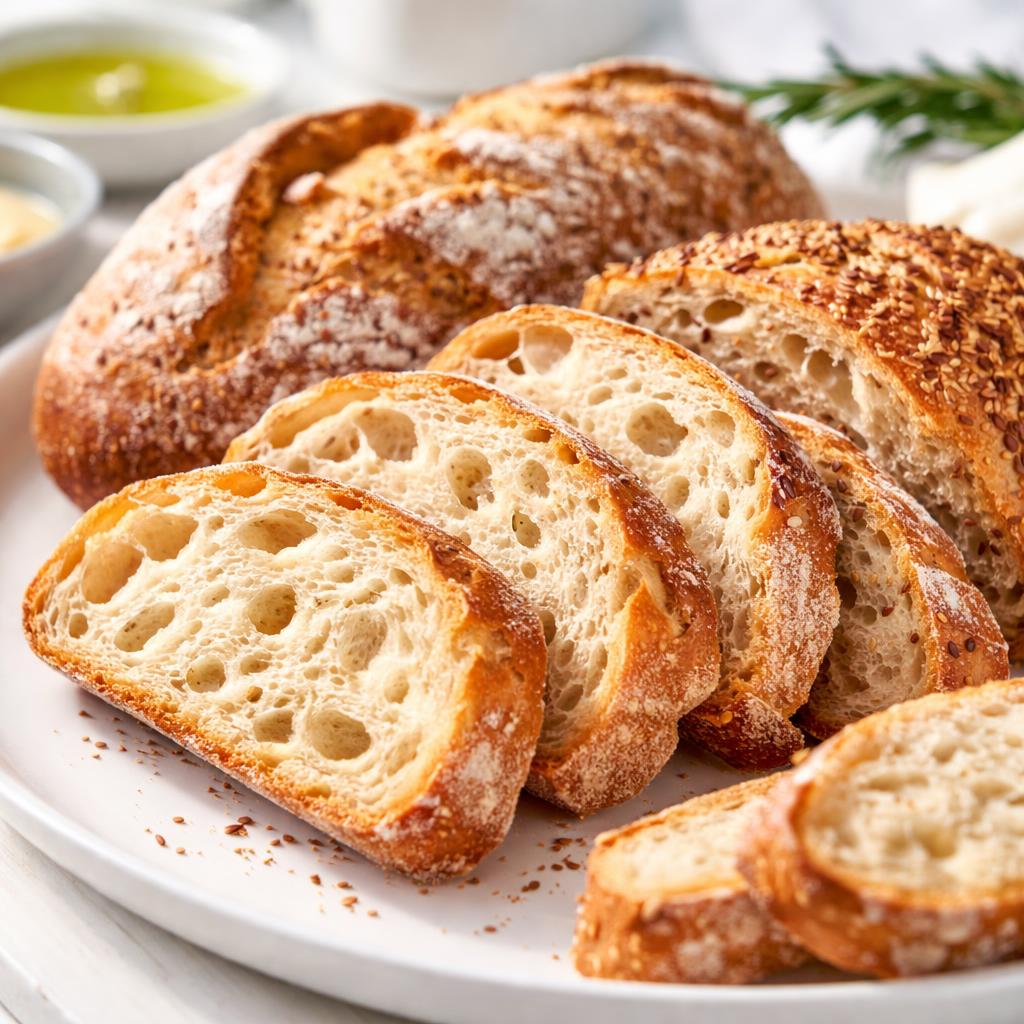
Bread
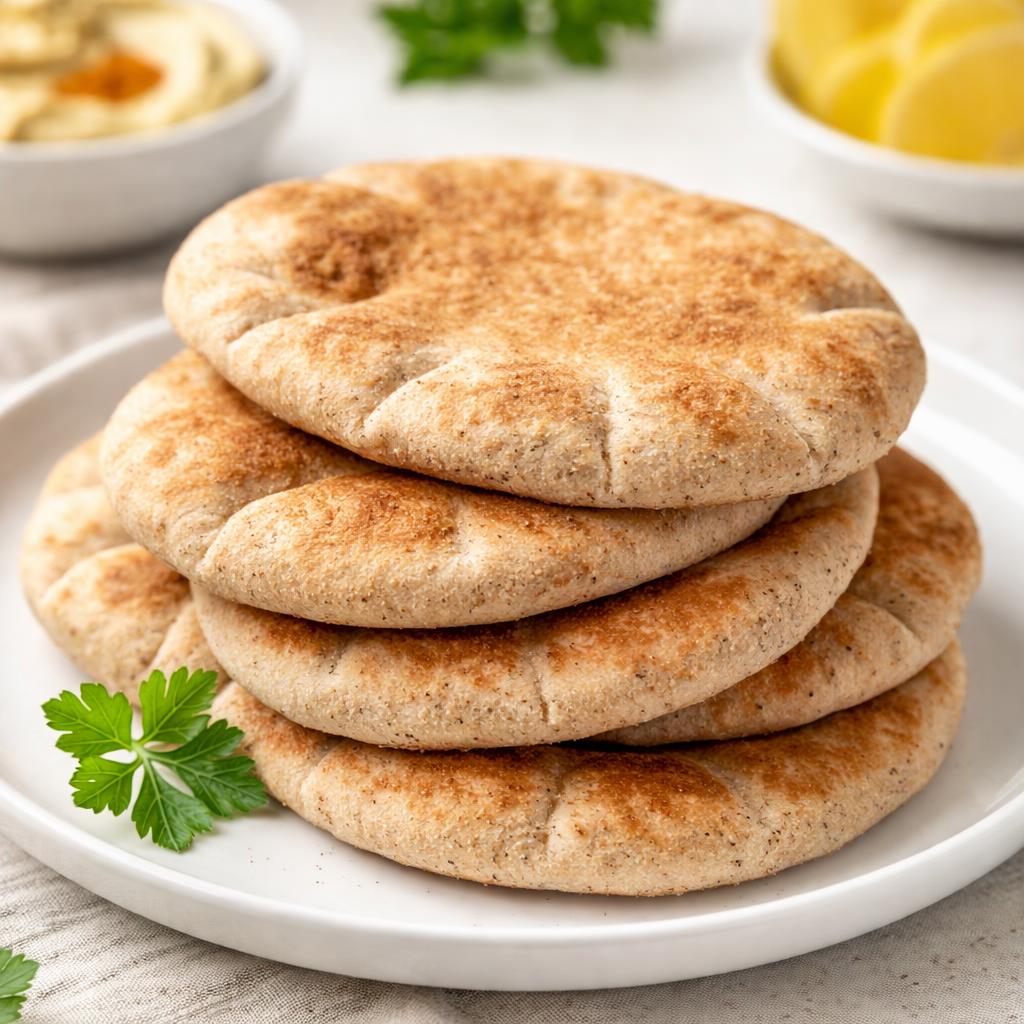
Whole Wheat Pita
🎯 Quick Verdict
Whole wheat pita edges out bread as the more nutritious option due to higher protein and fiber content, making it a better choice for sustained energy and digestion. Regular bread may be better for fewer calories, but lacks the nutrient density of whole-wheat pita. Each has distinct applications based on dietary goals.

Smart Nutrition Tracking with SnapCalorie

📊 Nutritional Comparison
Macronutrients
| Nutrient | Food 1 | Food 2 | Winner |
|---|---|---|---|
| Calories | 80 (per slice) | 150 (per pita) | ✓ |
| Protein | 2g | 6g | ✓ |
| Carbs | 15g | 25g | ✓ |
| Fat | 1g | 4g | ✓ |
| Fiber | 1g | 4g | ✓ |
Vitamins & Minerals
| Nutrient | Food 1 | Food 2 | Winner |
|---|---|---|---|
| Vitamin D | 0mcg | 0mcg | − |
| Calcium | 35mg | 40mg | ✓ |
| Iron | 0.5mg | 1.2mg | ✓ |
🏆 Category Winners
Protein
Whole wheat pita has three times more protein than bread per serving.
Fiber
Whole wheat pita provides four times the fiber content compared to bread.
Calories
Bread contains 47% fewer calories per serving than pita.
Vitamins
Pita has slightly more calcium and iron compared to bread.
🥗 Diet Compatibility
Keto
Food 1: Not Compatible
Food 2: Not Compatible
Both are high in carbohydrates.
Vegan
Food 1: Compatible
Food 2: Compatible
Both are made with plant-based ingredients.
Gluten Free
Food 1: Not Compatible
Food 2: Not Compatible
Both contain wheat gluten.
Paleo
Food 1: Not Compatible
Food 2: Not Compatible
Neither aligns with paleo's grain-free approach.
Low-Carb
Food 1: Not Compatible
Food 2: Not Compatible
Both are too high in carbohydrates for low-carb diets.
💪 Health Benefits Comparison
Food 1 Benefits
- Low calorie option for weight management
- Provides quick energy due to simple carbs
- Versatile base for a variety of meals
Food 2 Benefits
- High fiber content for improved digestion
- Better protein source for muscle maintenance
- Rich in whole grains for heart health
✅ The Bottom Line
Choose bread for a lower-calorie option or quick energy. Favor whole wheat pita for higher protein, fiber, and nutrient density. Pita is better for prolonged satiety and balanced nutrition, while bread works well for light meals or calorie-conscious diets.
Choose Food 1 for: Low-calorie meals, light snacks, easy digestion
Choose Food 2 for: Sustained energy, high-fiber diets, balanced nutrition


