Bread VS Whole Bread
A detailed nutritional comparison

Bread
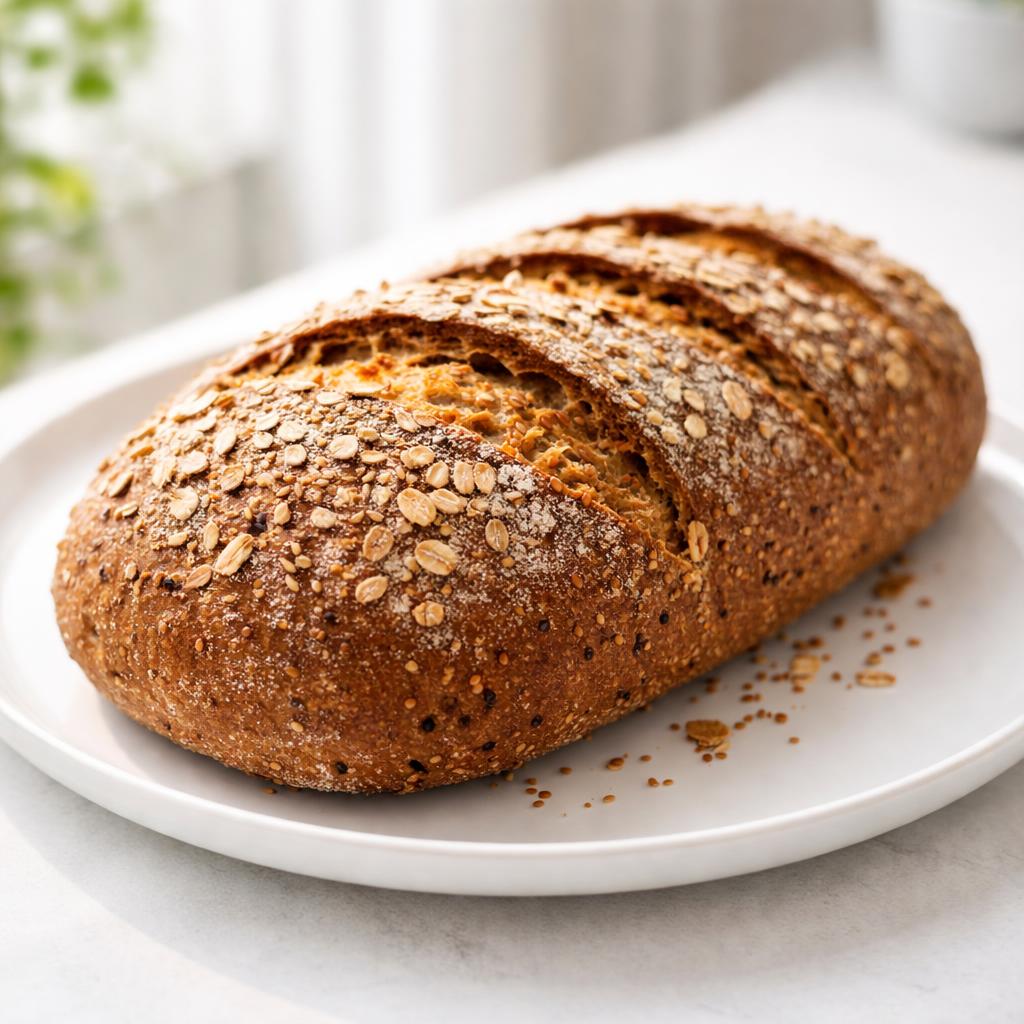
Whole Bread
🎯 Quick Verdict
While regular bread and whole bread share similar calorie and protein numbers, whole bread is significantly higher in fiber and provides more vitamins and minerals like magnesium and potassium. Whole bread is better suited for those aiming to improve digestion and get sustained energy, while regular bread may be a neutral option for quick energy but lacks substantial nutrient density.

Smart Nutrition Tracking with SnapCalorie

📊 Nutritional Comparison
Macronutrients
| Nutrient | Food 1 | Food 2 | Winner |
|---|---|---|---|
| Calories | 75 | 75 | − |
| Protein | 2.5g | 2.5g | − |
| Carbs | 14g | 13g | − |
| Fat | 1g | 1g | − |
| Fiber | 0.8g | 2.5g | − |
Vitamins & Minerals
| Nutrient | Food 1 | Food 2 | Winner |
|---|---|---|---|
| Vitamin B6 | 0.02mg | 0.08mg | − |
| Magnesium | 5mg | 30mg | − |
| Potassium | 30mg | 70mg | − |
🏆 Category Winners
Protein
Both foods provide equal protein content of 2.5g per serving.
Fiber
Whole bread contains 3x more fiber than regular bread.
Calories
Both foods have identical calorie amounts (75 per serving).
Vitamins
Whole bread offers higher vitamin B6, magnesium, and potassium content.
🥗 Diet Compatibility
Keto
Food 1: Not Compatible
Food 2: Not Compatible
Both are high-carb and unsuitable for keto diets.
Vegan
Food 1: Compatible
Food 2: Compatible
Both bread types are plant-based and vegan-friendly.
Gluten Free
Food 1: Not Compatible
Food 2: Not Compatible
Both foods contain gluten.
Paleo
Food 1: Not Compatible
Food 2: Not Compatible
Grain-based bread is not approved for paleo diets.
Low-Carb
Food 1: Not Compatible
Food 2: Not Compatible
Neither food is low-carb due to high carbohydrate content.
💪 Health Benefits Comparison
Food 1 Benefits
- Provides carbohydrates for quick energy
- Convenient source of calories
- Suitable for a simple and accessible diet
Food 2 Benefits
- Higher fiber content supports digestive health
- Rich in vitamins and minerals like magnesium and potassium
- Promotes cardiovascular health due to nutrient density
✅ The Bottom Line
Whole bread is the healthier choice due to its higher fiber and nutrient density. It is better for long-term health benefits, particularly digestion and sustained energy. Choose regular bread for convenience and neutral energy sources, but opt for whole bread when focusing on improving dietary quality.
Choose Food 1 for: Quick energy, accessible and simple meals
Choose Food 2 for: Digestive health, cardiovascular health, nutrient-rich snacking


