Bread VS Wheat Toast
A detailed nutritional comparison
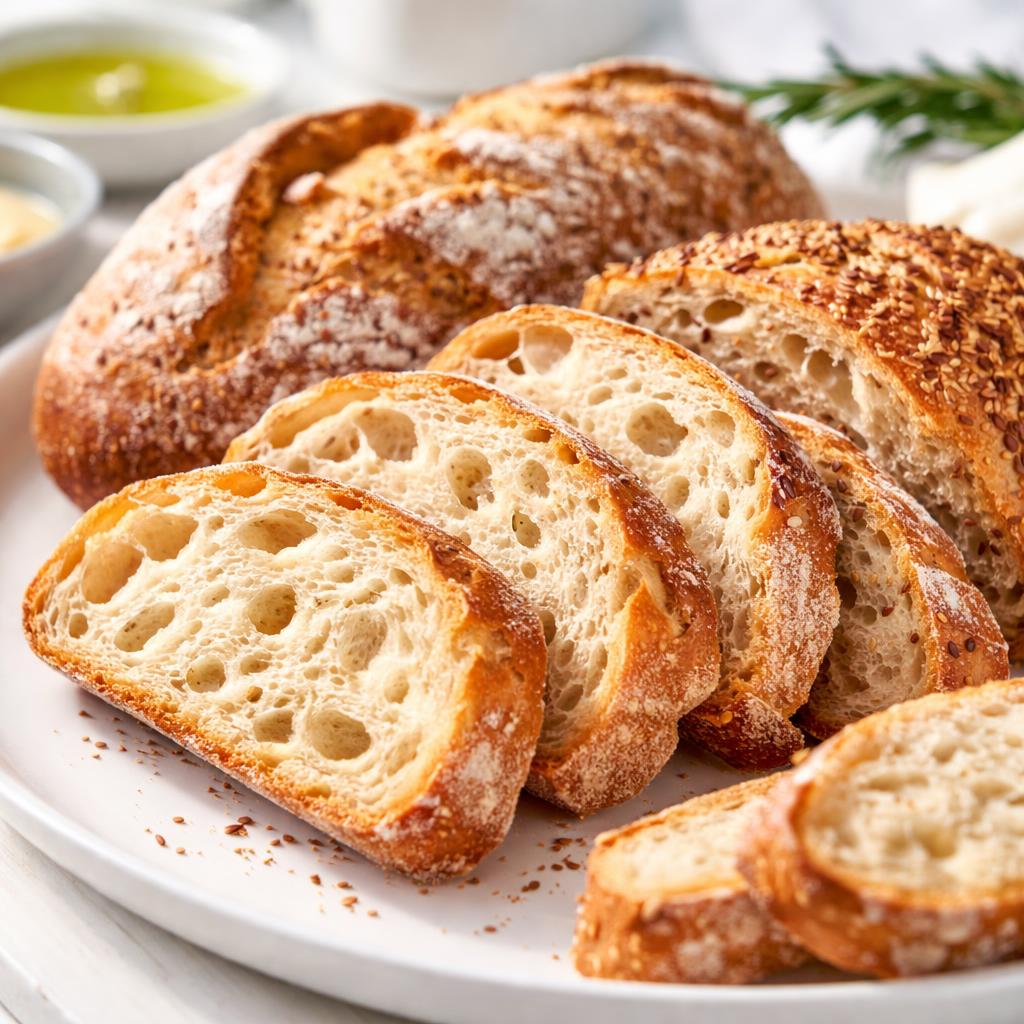
Bread
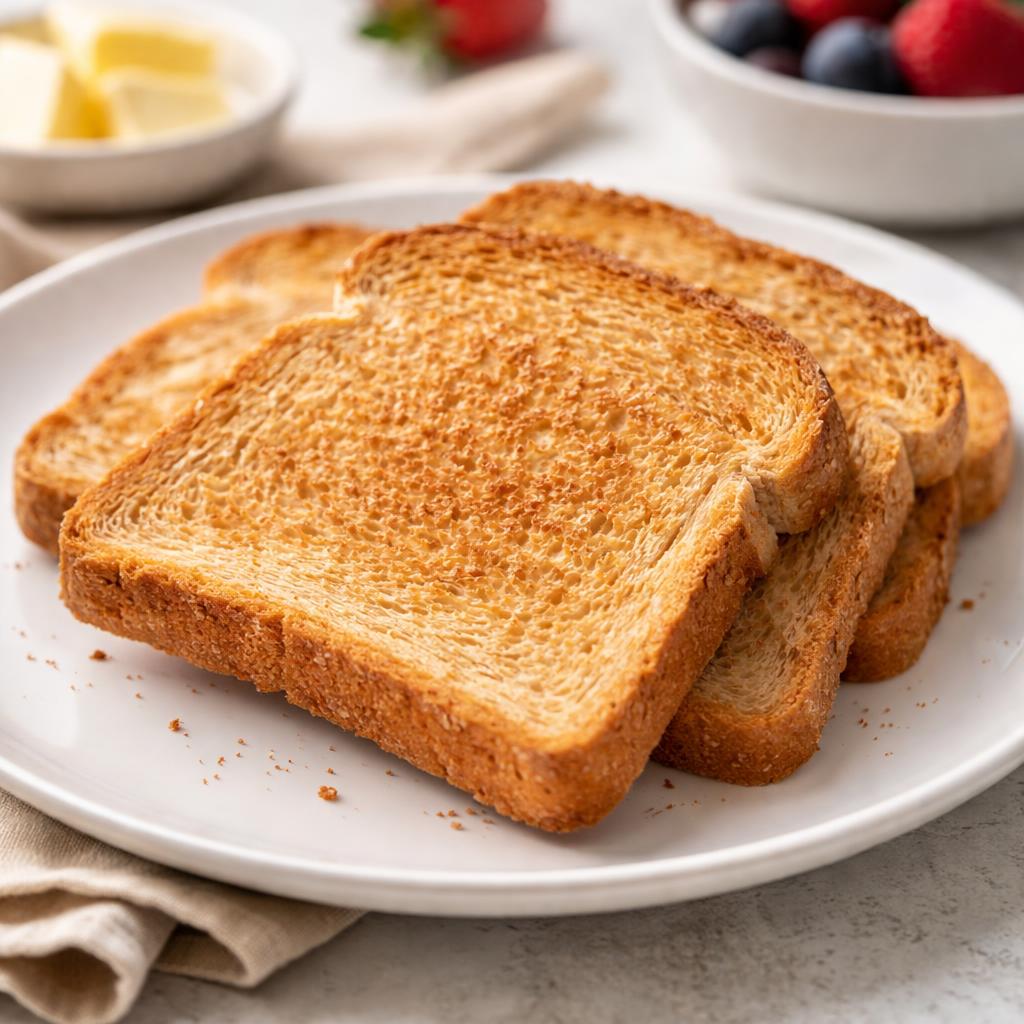
Wheat Toast
🎯 Quick Verdict
Wheat toast is nutritionally superior to bread due to higher fiber (3g vs. 1g per slice), slightly more protein (4g vs. 3g per slice), and better micronutrient density, including iron and B vitamins. Bread, while lower in fiber, provides similar calories but may lack the whole-grain benefits of wheat toast for digestion or energy management.

Smart Nutrition Tracking with SnapCalorie

📊 Nutritional Comparison
Macronutrients
| Nutrient | Food 1 | Food 2 | Winner |
|---|---|---|---|
| Calories | 80 | 80 | − |
| Protein | 3g | 4g | − |
| Carbs | 15g | 13g | − |
| Fat | 1g | 1g | − |
| Fiber | 1g | 3g | − |
Vitamins & Minerals
| Nutrient | Food 1 | Food 2 | Winner |
|---|---|---|---|
| Vitamin D | 0mcg | 0mcg | − |
| Iron | 1mg | 1.5mg | − |
| Folic Acid (Vitamin B9) | 40mcg | 50mcg | − |
🏆 Category Winners
Protein
Wheat toast contains 33% more protein per slice.
Fiber
Wheat toast has triple the fiber content per slice (3g vs. 1g).
Calories
Both bread and wheat toast contain approximately 80 calories per slice.
Vitamins
Wheat toast offers higher iron and folic acid levels.
🥗 Diet Compatibility
Keto
Food 1: Unknown
Food 2: Unknown
Both foods are high in carbs (13-15g per slice).
Vegan
Food 1: Unknown
Food 2: Unknown
Both are plant-based unless dairy is added during production.
Gluten Free
Food 1: Unknown
Food 2: Unknown
Both contain gluten as part of their wheat-based composition.
Paleo
Food 1: Unknown
Food 2: Unknown
Neither is allowed on a paleo diet due to grains.
Low Carb
Food 1: Unknown
Food 2: Unknown
Both have moderate to high carbohydrate levels.
💪 Health Benefits Comparison
Food 1 Benefits
Food 2 Benefits
✅ The Bottom Line
Wheat toast is the better nutritional choice due to higher fiber, protein, and micronutrient density. Bread may be suitable if you are looking for quick energy without the whole-grain benefits. Choose wheat toast for digestion and sustained energy, especially during breakfast or sensitive dietary plans.


