Bread VS Wheat Beer
A detailed nutritional comparison
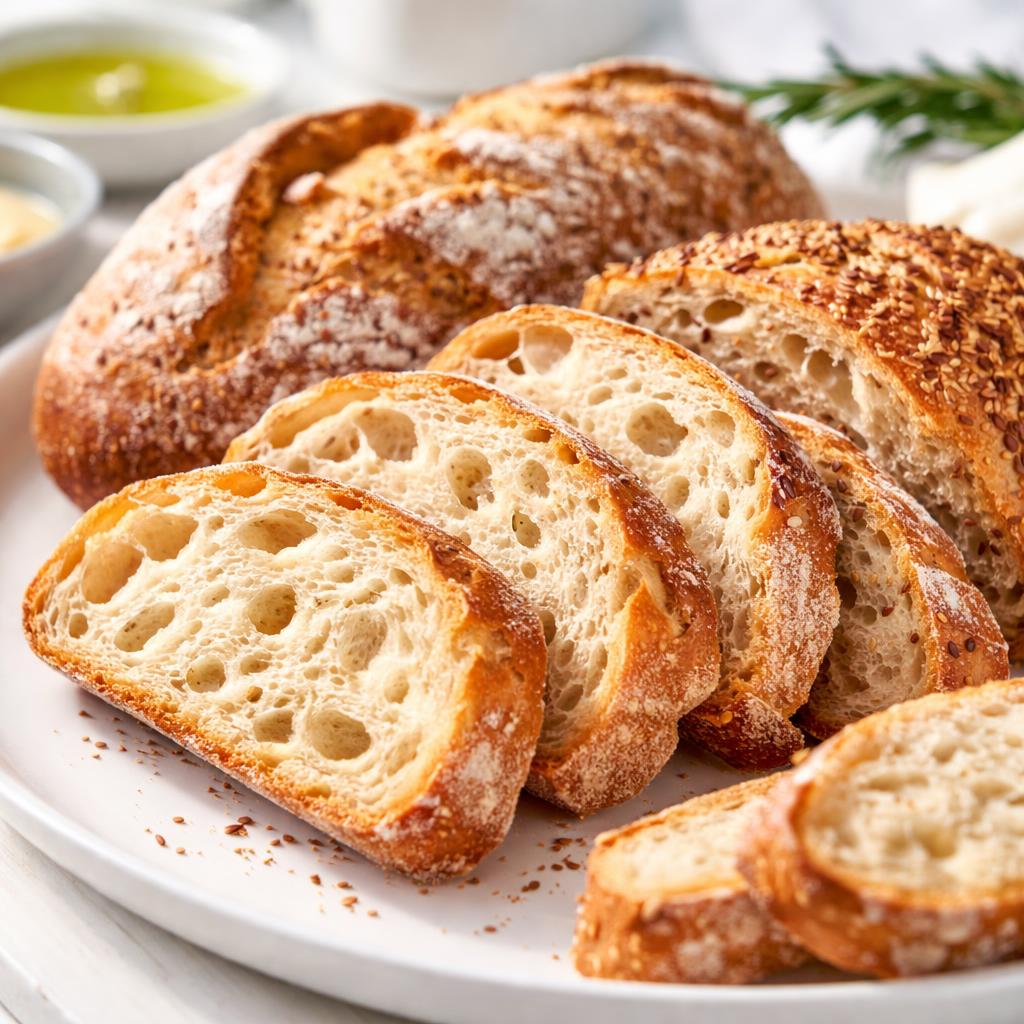
Bread

Wheat Beer
🎯 Quick Verdict
Bread and wheat beer differ significantly in their nutritional profiles. Bread provides more protein, fiber, and fewer calories per serving, making it better suited for weight loss and energy stabilization. Wheat beer, while more calorie-dense, offers antioxidants and trace minerals, making it more of a drink indulgence than a nutrient source.

Smart Nutrition Tracking with SnapCalorie

📊 Nutritional Comparison
Macronutrients
| Nutrient | Food 1 | Food 2 | Winner |
|---|---|---|---|
| Calories | 70 per slice | 150 per 12oz glass | ✓ |
| Protein | 2g | 1.2g | ✓ |
| Carbs | 13g | 12g | ✓ |
| Fat | 1g | 0g | ✓ |
| Fiber | 0.8g | 0g | ✓ |
Vitamins & Minerals
| Nutrient | Food 1 | Food 2 | Winner |
|---|---|---|---|
| Vitamin D | 0mcg | 0mcg | − |
| Calcium | 30mg | 10mg | ✓ |
| Iron | 0.4mg | 0.1mg | ✓ |
| Potassium | 35mg | 70mg | ✓ |
| Magnesium | 6mg | 17mg | ✓ |
🏆 Category Winners
Protein
Bread provides almost twice the protein per serving compared to wheat beer.
Fiber
Bread is the only source of fiber between the two, aiding digestion.
Calories
Bread has less than half the calories compared to wheat beer per serving.
Vitamins
Wheat beer contains higher potassium and magnesium levels for electrolyte balance.
🥗 Diet Compatibility
Keto
Food 1: Not Compatible
Food 2: Not Compatible
Both foods are high in carbs.
Vegan
Food 1: Compatible
Food 2: Compatible
Both bread and wheat beer are typically plant-based.
Gluten Free
Food 1: Not Compatible
Food 2: Not Compatible
Both contain gluten.
Paleo
Food 1: Not Compatible
Food 2: Not Compatible
Neither adheres to paleo principles due to grains and processing.
Low-Carb
Food 1: Not Compatible
Food 2: Not Compatible
Both are moderately high in carbohydrates.
💪 Health Benefits Comparison
Food 1 Benefits
- Moderate protein content supports muscle repair.
- Provides fiber for improved digestion.
- Contains small amounts of iron for oxygen transport in the body.
Food 2 Benefits
- Offers antioxidants from fermentation, potentially supporting heart health.
- Contains potassium and magnesium for electrolyte balance.
- May provide trace B-vitamins from yeast, supporting energy metabolism.
✅ The Bottom Line
Bread is the more nutrient-dense option for sustained energy and balanced nutrition, especially for weight management. Wheat beer is better suited for leisure and occasional consumption, offering hydration and minerals but lacking substantial nutrients.
Choose Food 1 for: Daily sustenance, digestion support, budget-friendly snacks/meals.
Choose Food 2 for: Social events, drinking occasions, relaxation with added antioxidant benefits.


