Bread VS Tuna Salad
A detailed nutritional comparison
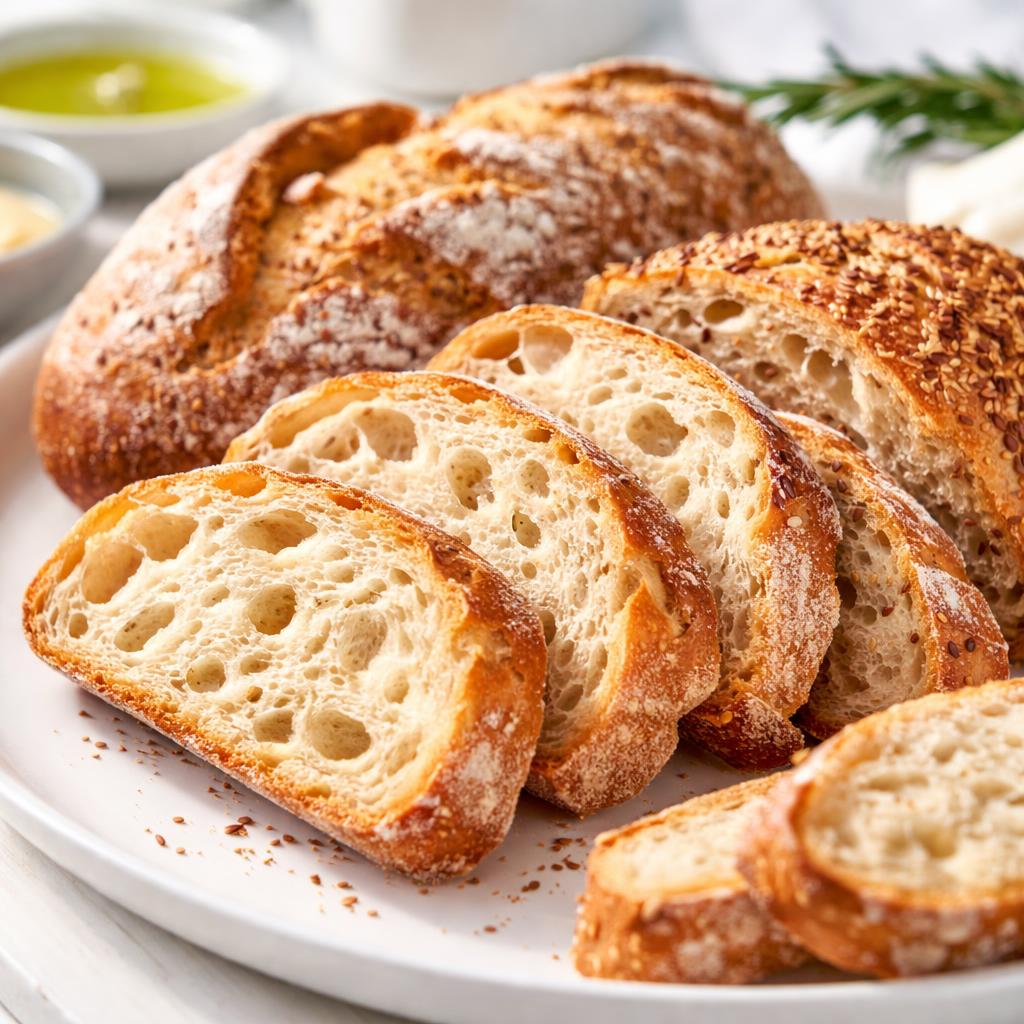
Bread
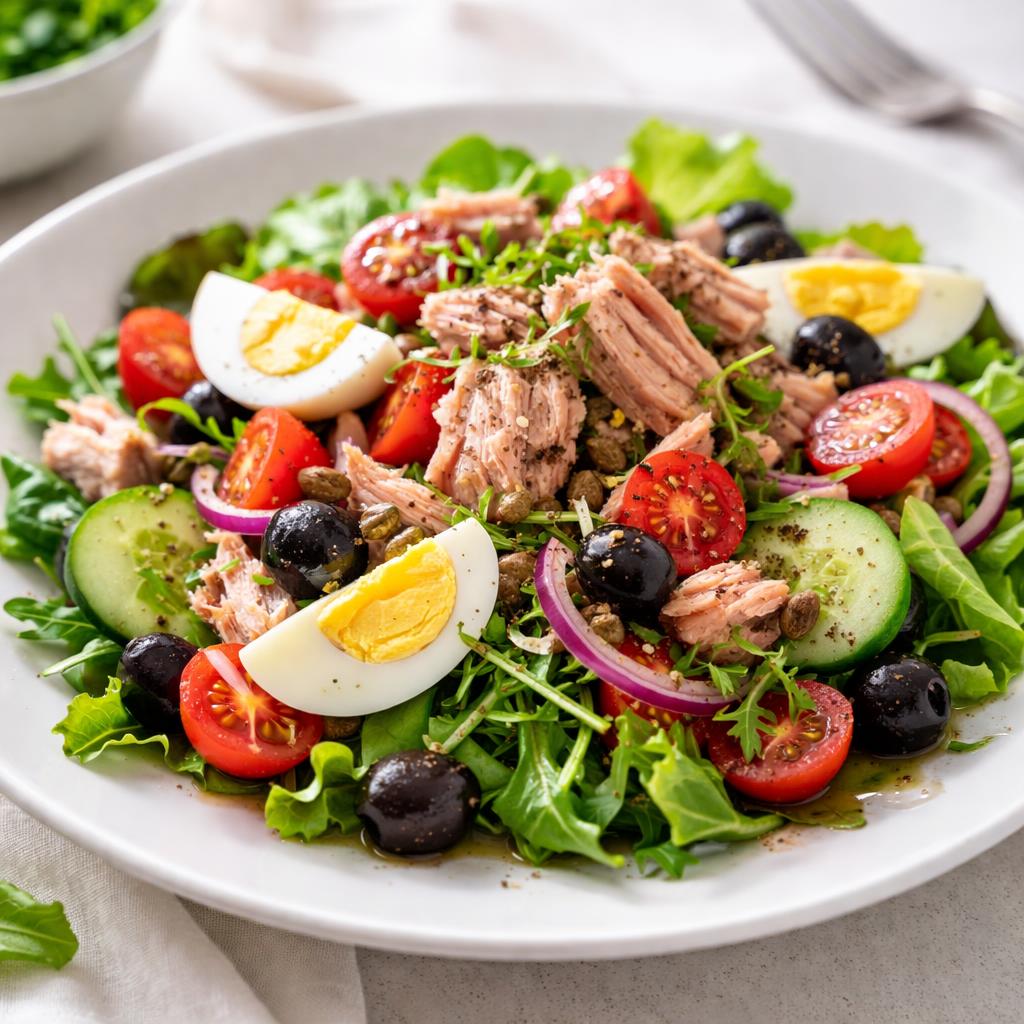
Tuna Salad
🎯 Quick Verdict
Tuna salad is a high-protein, nutrient-dense option, especially suitable for low-carb diets, while bread is higher in fiber but more calorie-dense due to its carbohydrate content. Bread is useful for quick energy and pairs well with many meals, whereas tuna salad excels for those focused on protein and lighter meals.

Smart Nutrition Tracking with SnapCalorie

📊 Nutritional Comparison
Macronutrients
| Nutrient | Food 1 | Food 2 | Winner |
|---|---|---|---|
| Calories | 80g slice: 200 | 120g serving: 150 | ✓ |
| Protein | 6g | 25g | ✓ |
| Carbs | 37g | 2g | ✓ |
| Fat | 2g | 7g | ✓ |
| Fiber | 2g | 0g | ✓ |
Vitamins & Minerals
| Nutrient | Food 1 | Food 2 | Winner |
|---|---|---|---|
| Vitamin D | 0mcg | 3mcg | ✓ |
| Vitamin B12 | 0mcg | 2.4mcg | ✓ |
| Calcium | 76mg | 10mg | ✓ |
| Iron | 1.8mg | 1.3mg | ✓ |
🏆 Category Winners
Protein
Tuna salad contains more than 4x the protein of bread, ideal for muscle building or satiety.
Fiber
Bread has 2g of fiber per slice, while tuna salad has negligible fiber.
Calories
Tuna salad is lower in calories, making it a better option for calorie-controlled diets.
Vitamins
Tuna salad is richer in Vitamin D and B12, essential for energy and bone health.
🥗 Diet Compatibility
Keto
Food 1: Not Compatible
Food 2: Compatible
Bread is high in carbohydrates, while tuna salad is very low-carb.
Vegan
Food 1: Compatible
Food 2: Not Compatible
Bread is plant-based, but tuna salad contains fish and mayonnaise.
Gluten Free
Food 1: Not Compatible
Food 2: Compatible
Bread contains gluten, whereas tuna salad is naturally gluten-free.
Paleo
Food 1: Not Compatible
Food 2: Compatible
Bread is processed and grain-based, which does not align with Paleo guidelines, while tuna salad fits within the Paleo framework.
Low Carb
Food 1: Not Compatible
Food 2: Compatible
Bread has high carb content (~37g/slice), while tuna salad is very low-carb (~2g/serving).
💪 Health Benefits Comparison
Food 1 Benefits
- High in carbohydrates for quick energy
- Provides fiber for digestive health
- Contains moderate amounts of iron, supporting oxygen transport in the body
Food 2 Benefits
- Rich in protein for muscle building and maintenance
- Low in carbohydrates, suitable for weight loss and blood sugar management
- Provides Vitamin D and B12 for bone health and energy metabolism
- Contains healthy fats that support heart health
✅ The Bottom Line
Pick tuna salad if you are looking to increase protein intake, follow a low-carb or keto diet, or need a lighter meal option. Bread is more suitable for those seeking fiber, quick energy, or a satisfying base to complement other foods.
Choose Food 1 for: Quick energy, fiber intake, plant-based diets
Choose Food 2 for: Low-carb, high-protein diets, weight management, nutrient density


