Bread VS Toasted Bread
A detailed nutritional comparison
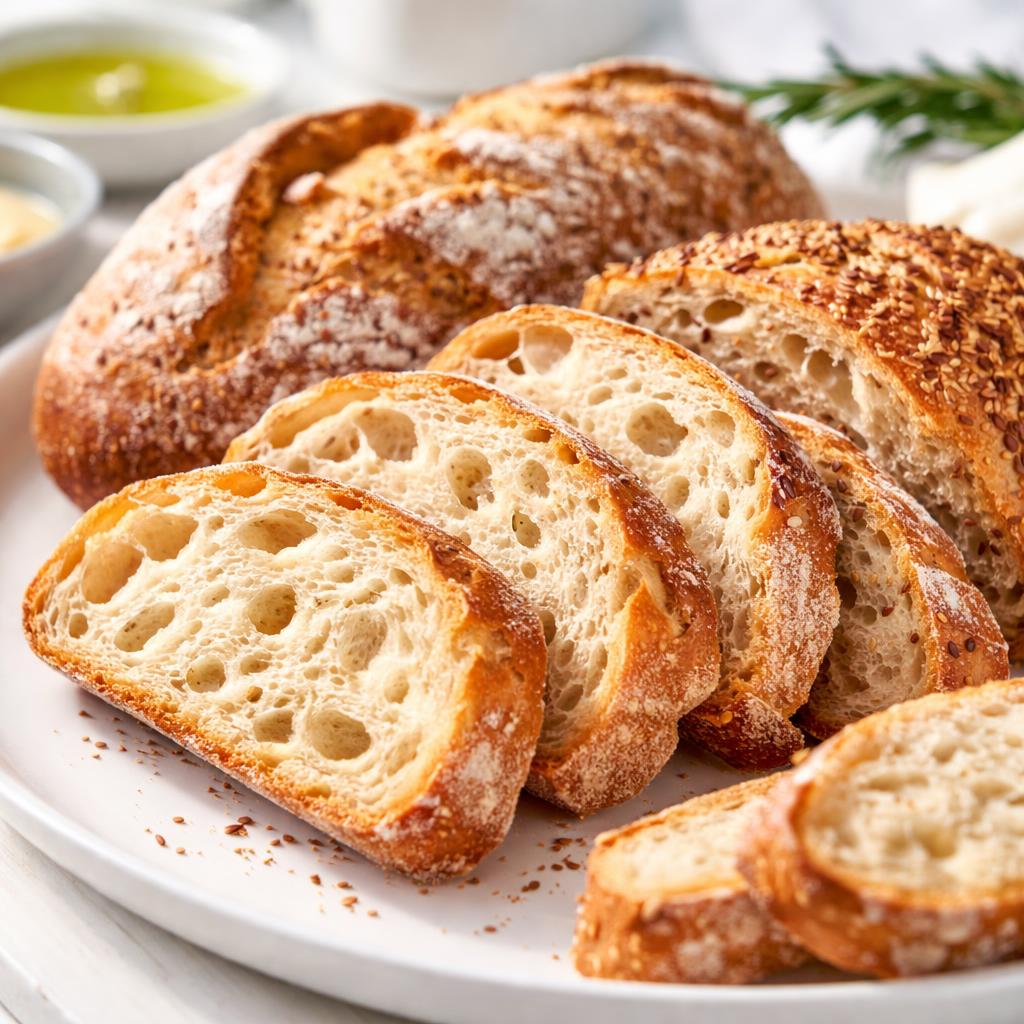
Bread
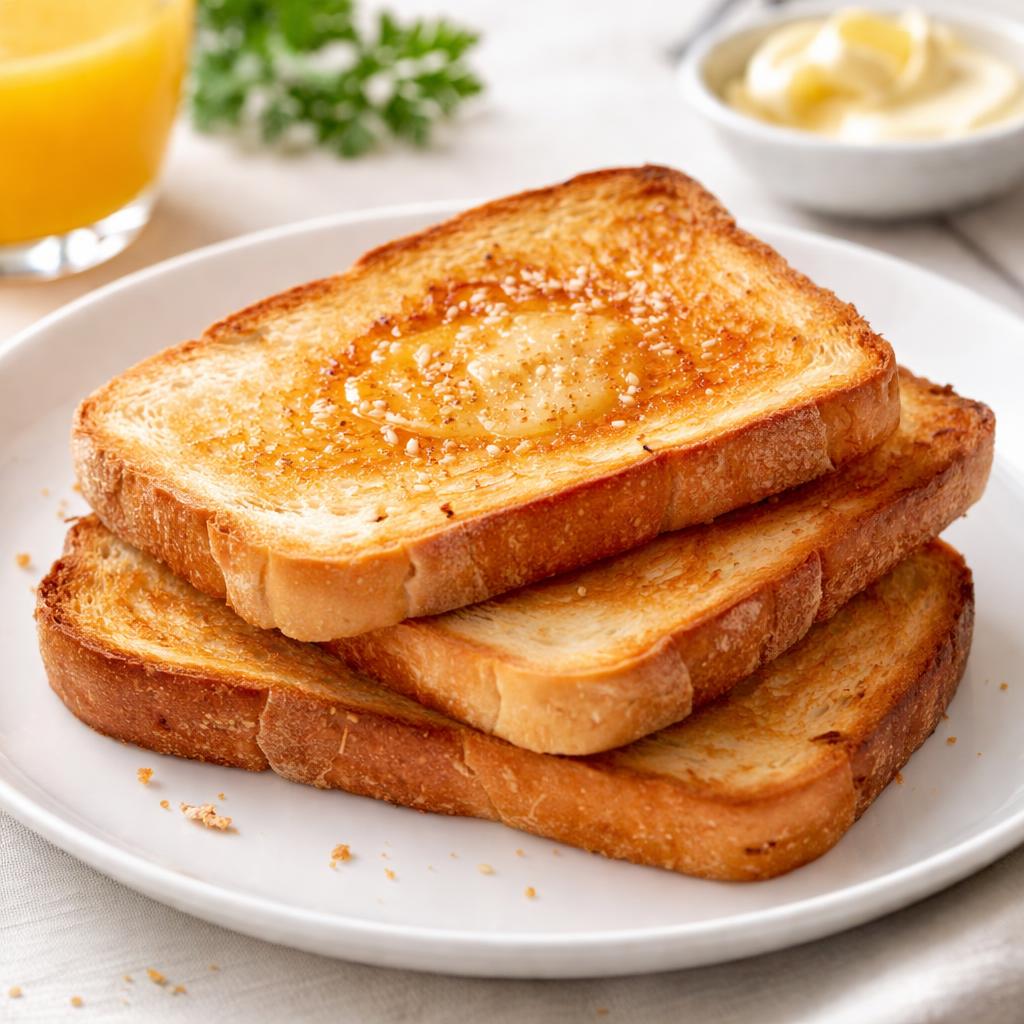
Toasted Bread
🎯 Quick Verdict
Bread and toasted bread are nearly identical nutritionally since toasting does not significantly alter the macro or micronutrient content. Toasting primarily enhances crunch and flavor, making toasted bread a slightly better option for texture preferences. Both are versatile base foods for a variety of meals.

Smart Nutrition Tracking with SnapCalorie

📊 Nutritional Comparison
Macronutrients
| Nutrient | Food 1 | Food 2 | Winner |
|---|---|---|---|
| Calories | 80 | 80 | − |
| Protein | 4g | 4g | − |
| Carbs | 14g | 14g | − |
| Fat | 1g | 1g | − |
| Fiber | 1g | 1g | − |
Vitamins & Minerals
| Nutrient | Food 1 | Food 2 | Winner |
|---|---|---|---|
| Vitamin D | 0mcg | 0mcg | − |
| Calcium | 35mg | 35mg | − |
| Iron | 1mg | 1mg | − |
🏆 Category Winners
Protein
Both bread and toasted bread provide the same protein content per serving.
Fiber
There is no difference in fiber content between bread and toasted bread.
Calories
Toasting does not affect calorie count, and both foods have the same caloric value per serving.
🥗 Diet Compatibility
Keto
Food 1: Not Compatible
Food 2: Not Compatible
Both are high in carbs and thus not suitable for keto diets.
Vegan
Food 1: Compatible
Food 2: Compatible
Both are plant-based, provided no non-vegan ingredients are added.
Gluten Free
Food 1: Not Compatible
Food 2: Not Compatible
Both contain gluten unless specifically made gluten-free.
Paleo
Food 1: Not Compatible
Food 2: Not Compatible
Paleo diets do not permit processed grains like bread.
Low-Carb
Food 1: Not Compatible
Food 2: Not Compatible
Both have relatively high carbohydrate content and are not low-carb.
💪 Health Benefits Comparison
Food 1 Benefits
- Provides a carbohydrate source for quick energy
- Contains small amounts of protein for muscle maintenance
- Offers iron and calcium for essential nutrients
Food 2 Benefits
- Provides a satisfying crunch and texture upgrade
- Improves flavor without altering core nutritional content
- Same nutrient profile suitable for energy and basic mineral intake
✅ The Bottom Line
Bread and toasted bread are nutritionally identical, so the choice largely comes down to texture and use case. Choose bread for soft sandwiches or toast for crunchier bases. Both can be part of balanced, non-restrictive diets.
Choose Food 1 for: Soft sandwiches, quick energy, simple snacks
Choose Food 2 for: Crunchy sides, better flavor for spreads, improved texture


