Bread VS Tea
A detailed nutritional comparison
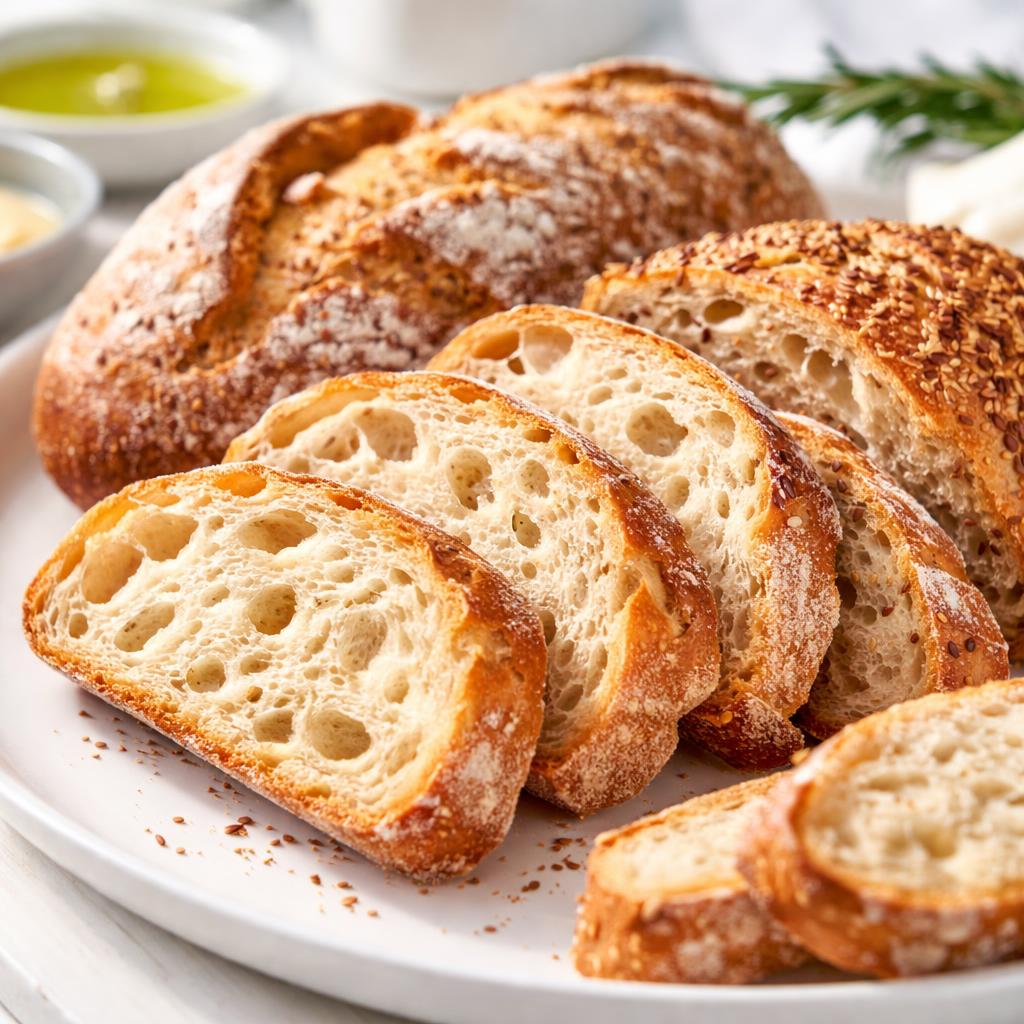
Bread

Tea
🎯 Quick Verdict
Bread is a dense source of calories, carbs, and some plant-based protein, while tea offers hydration with negligible calories and nutrients. Bread is better suited for energy and satiation, while tea is ideal for zero-calorie hydration and antioxidants.

Smart Nutrition Tracking with SnapCalorie

📊 Nutritional Comparison
Macronutrients
| Nutrient | Food 1 | Food 2 | Winner |
|---|---|---|---|
| Calories | 79 | 2 | ✓ |
| Protein | 2.7g | 0g | ✓ |
| Carbs | 14g | 0g | ✓ |
| Fat | 0.9g | 0g | ✓ |
| Fiber | 0.8g | 0g | ✓ |
Vitamins & Minerals
| Nutrient | Food 1 | Food 2 | Winner |
|---|---|---|---|
| Vitamin D | 0mcg | 0mcg | − |
| Calcium | 30mg | 0mg | ✓ |
| Iron | 0.8mg | 0mg | ✓ |
🏆 Category Winners
Protein
Bread provides plant-based protein, while tea has none.
Fiber
Bread contains dietary fiber, while tea does not.
Calories
Tea has almost zero calories and is ideal for calorie-conscious diets.
Vitamins
Bread contains small amounts of calcium and iron, whereas tea has negligible vitamins and minerals.
🥗 Diet Compatibility
Keto
Food 1: Not Compatible
Food 2: Compatible
Tea is carb-free, whereas bread is high in carbs.
Vegan
Food 1: Compatible
Food 2: Compatible
Both are plant-based and suitable for vegan diets.
Gluten Free
Food 1: Not Compatible
Food 2: Compatible
Bread contains gluten, but tea does not.
Paleo
Food 1: Not Compatible
Food 2: Compatible
Tea aligns with the paleo diet, while bread does not due to grain content.
Low Carb
Food 1: Not Compatible
Food 2: Compatible
Bread is high in carbs, while tea is carb-free.
💪 Health Benefits Comparison
Food 1 Benefits
- Provides energy through carbs
- Contains small amounts of protein for muscle repair
- Includes dietary fiber for digestion
- Fortified versions may offer vitamins like folate
Food 2 Benefits
- Low-calorie hydration
- Rich in antioxidants for cellular health
- May improve heart health and reduce inflammation
- Potentially boosts mental alertness due to caffeine content
✅ The Bottom Line
Bread is great for energy and moderate protein intake but contains gluten and carbs that may not suit special diets. Tea is ideal for hydration, antioxidants, and zero calories, making it perfect for weight management and diverse dietary preferences.
Choose Food 1 for: Energy boost, light snacks, moderate protein supply
Choose Food 2 for: Hydration, weight loss, antioxidant intake, caffeine boost


