Bread VS Salt
A detailed nutritional comparison

Bread
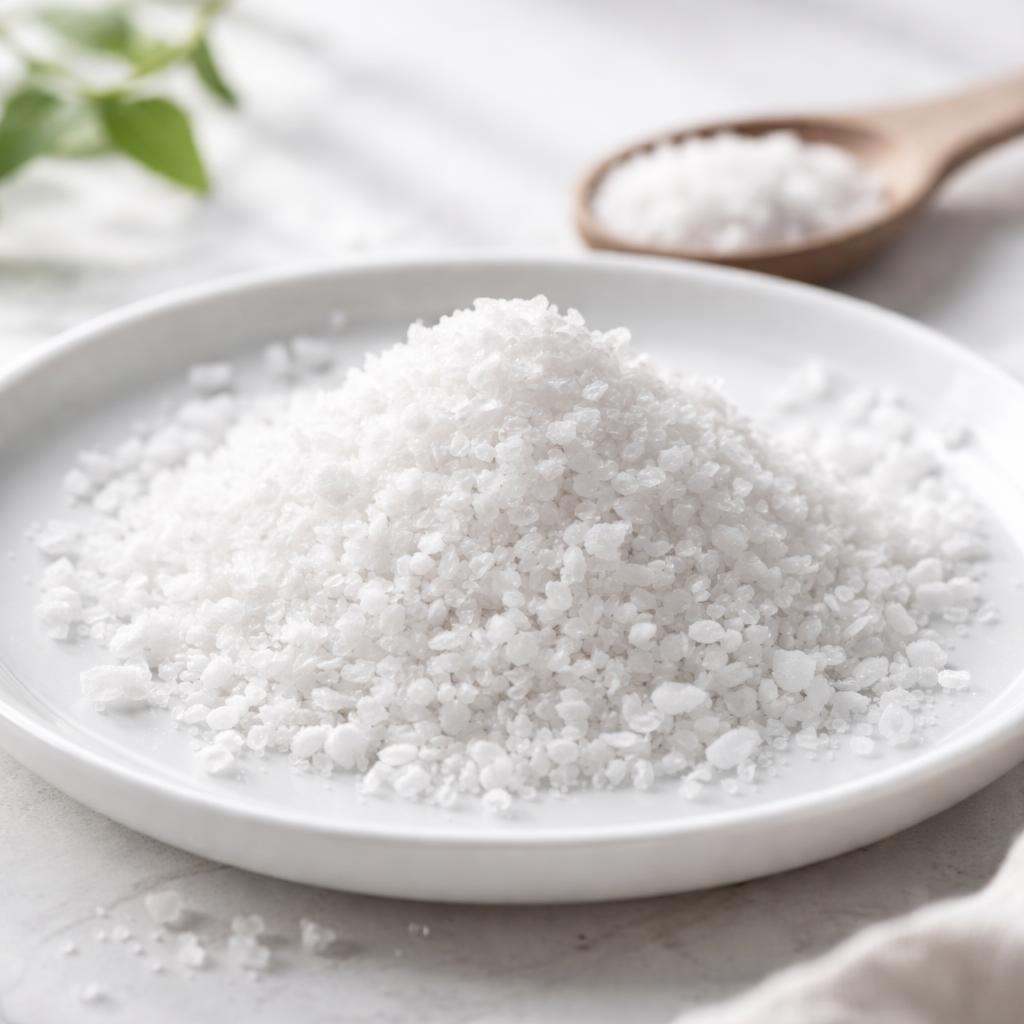
Salt
🎯 Quick Verdict
Bread offers more macronutrients, such as protein, fiber, and carbohydrates, compared to salt, which is nutritionally limited despite being essential for sodium intake. Bread wins in all categories aside from sodium concentration, making it more versatile for nutritional needs, while salt’s primary use is seasoning rather than sustenance.

Smart Nutrition Tracking with SnapCalorie

📊 Nutritional Comparison
Macronutrients
| Nutrient | Food 1 | Food 2 | Winner |
|---|---|---|---|
| Calories | 265 per 100g | 0 per 100g | − |
| Protein | 9g per 100g | 0g per 100g | ✓ |
| Carbs | 49g per 100g | 0g per 100g | ✓ |
| Fat | 4g per 100g | 0g per 100g | ✓ |
| Fiber | 2.7g per 100g | 0g per 100g | ✓ |
Vitamins & Minerals
| Nutrient | Food 1 | Food 2 | Winner |
|---|---|---|---|
| Vitamin B6 | 0.06mg per 100g | 0mg per 100g | ✓ |
| Folate | 34mcg per 100g | 0mcg per 100g | ✓ |
| Sodium | 490mg per 100g | 38,000mg per 100g | ✓ |
🏆 Category Winners
Protein
Bread contains 9g of protein while salt has none.
Fiber
Bread provides 2.7g of fiber compared to 0g in salt.
Calories
Calories are negligible for salt at typical serving sizes, but bread has higher caloric content overall.
Vitamins
Bread contains folate, Vitamin B6, and other nutrients, which are absent in salt.
🥗 Diet Compatibility
Keto
Food 1: Not Compatible
Food 2: Compatible
Bread is high in carbs, while salt contains none.
Vegan
Food 1: Compatible
Food 2: Compatible
Both foods are plant-based and suitable for vegans.
Gluten Free
Food 1: Not Compatible
Food 2: Compatible
Bread is typically made from wheat and is not gluten-free, while salt is inherently gluten-free.
Paleo
Food 1: Not Compatible
Food 2: Compatible
Bread is processed and not paleo-friendly, while salt is acceptable in paleo diets.
Low Carb
Food 1: Not Compatible
Food 2: Compatible
Bread is high in carbohydrates, while salt contains none.
💪 Health Benefits Comparison
Food 1 Benefits
- Provides energy due to high carbohydrate content.
- Contains protein for tissue repair and muscle maintenance.
- Offers dietary fiber to support digestive health.
Food 2 Benefits
- Essential for maintaining electrolyte balance in the body.
- Supports nerve signaling and muscle contraction through sodium content.
- Enhances food flavor, promoting dietary satisfaction.
✅ The Bottom Line
Bread is nutritionally superior and provides energy, macronutrients, and some vitamins and minerals. Salt, however, is critical for its sodium content and seasoning purposes but does not provide other nutrients. Bread suits meals requiring sustenance, while salt should be used for flavor and occasional sodium replenishment.
Choose Food 1 for: Everyday meals, energy needs, high-protein snack options
Choose Food 2 for: Seasoning, electrolyte replenishment, low-calorie diets


