Bread VS Salad Dressing
A detailed nutritional comparison
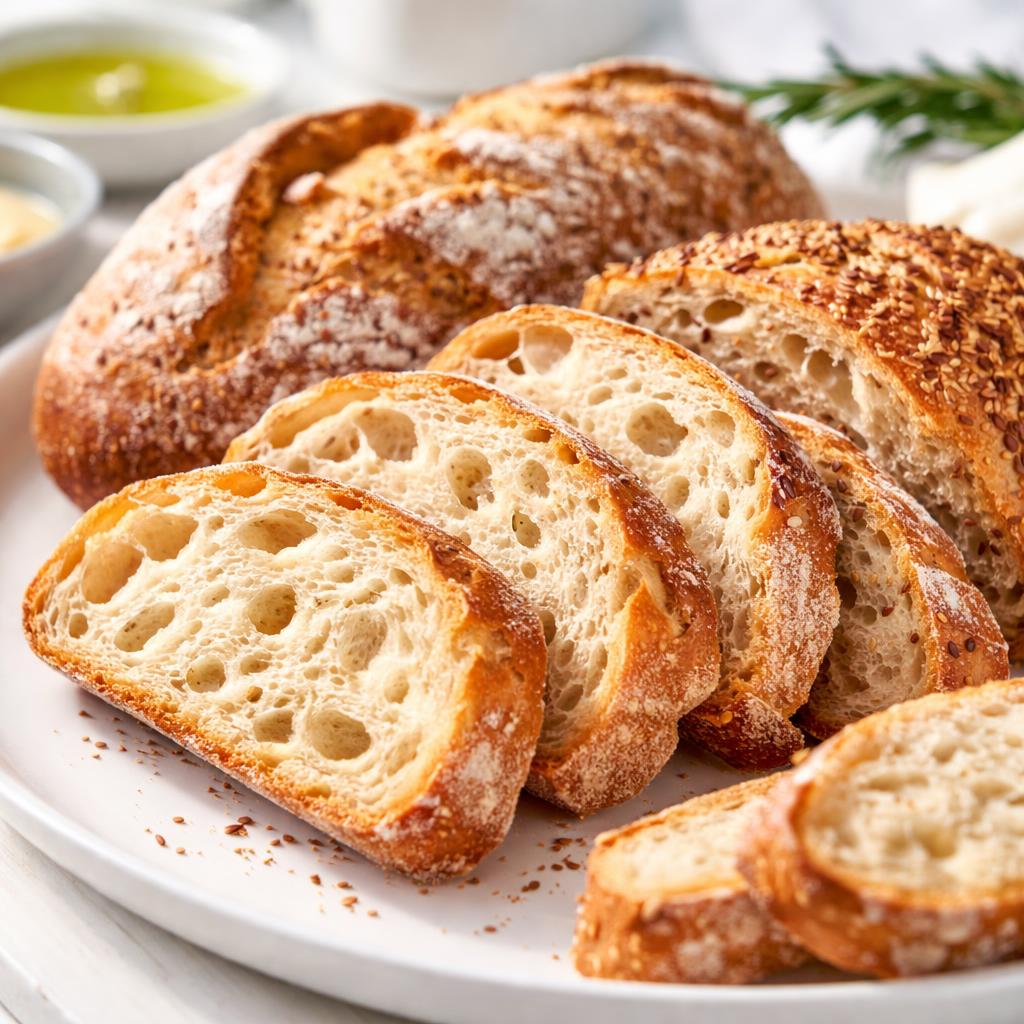
Bread
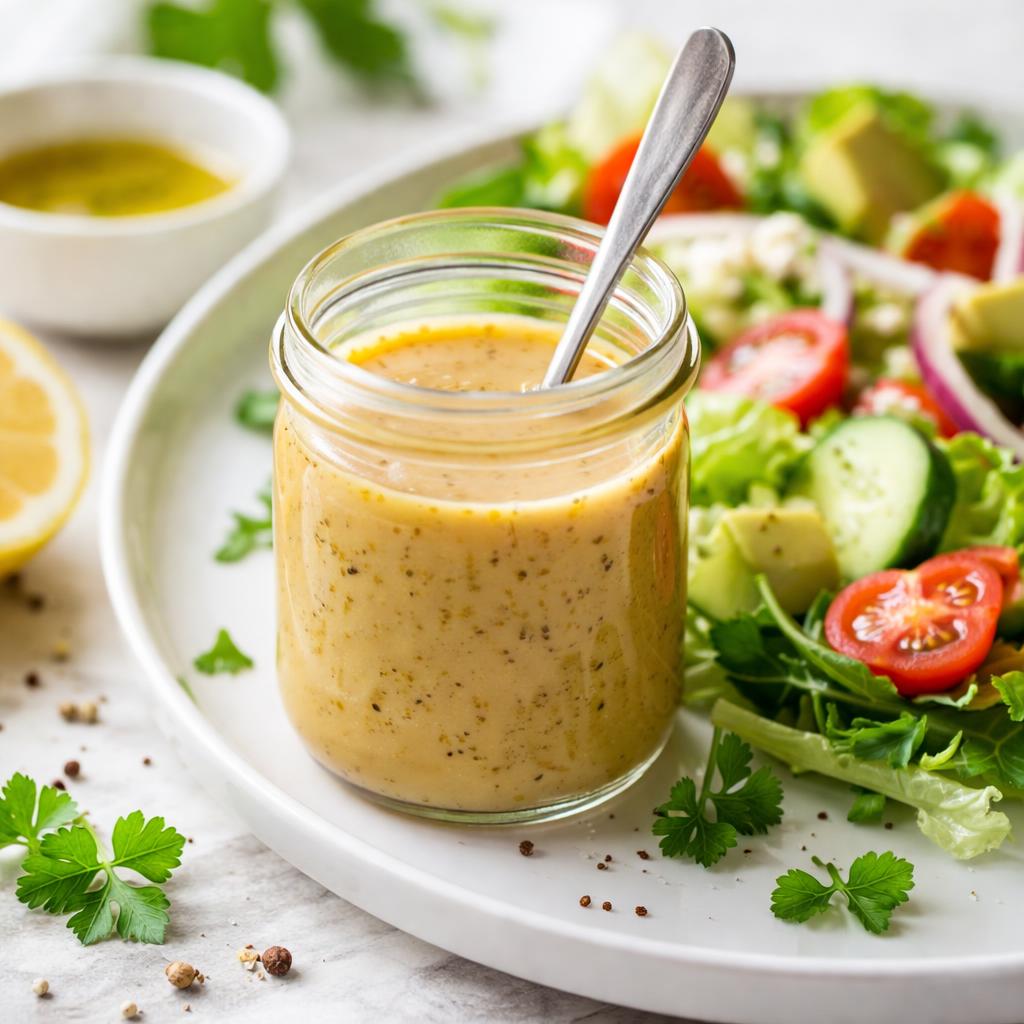
Salad Dressing
🎯 Quick Verdict
Bread is a more substantial choice, providing protein and fiber, while salad dressing is lower in calories but higher in fats. Bread is suited for energy and satiety, while salad dressing adds flavor and healthy fats to meals. Choose bread for nutrition density and salad dressing for garnishing or low-calorie options.

Smart Nutrition Tracking with SnapCalorie

📊 Nutritional Comparison
Macronutrients
| Nutrient | Food 1 | Food 2 | Winner |
|---|---|---|---|
| Calories | 80 per slice | 60 per tablespoon | ✓ |
| Protein | 3g | 0.5g | ✓ |
| Carbs | 15g | 2g | ✓ |
| Fat | 1g | 5g | ✓ |
| Fiber | 2g | 0g | ✓ |
Vitamins & Minerals
| Nutrient | Food 1 | Food 2 | Winner |
|---|---|---|---|
| Vitamin D | 0mcg | 2mcg | ✓ |
| Calcium | 40mg | 10mg | ✓ |
| Iron | 1mg | 0.1mg | ✓ |
🏆 Category Winners
Protein
Bread contains six times more protein per serving.
Fiber
Bread provides 2g of fiber per slice, whereas salad dressing has none.
Calories
Salad dressing has fewer calories per serving than bread.
🥗 Diet Compatibility
Keto
Food 1: Not Compatible
Food 2: Compatible
Salad dressing is low-carb, whereas bread is high-carb.
Vegan
Food 1: Compatible
Food 2: Varies by brand
Bread is typically vegan, while some dressings may contain animal products like eggs.
Gluten Free
Food 1: Not Compatible
Food 2: Compatible
Bread contains gluten unless specifically labeled gluten-free.
Paleo
Food 1: Not Compatible
Food 2: Conditionally Compatible
Bread is processed and contains grains, while some dressings may align with paleo guidelines if made from whole ingredients.
Low Carb
Food 1: Not Compatible
Food 2: Compatible
Bread contains 15g of carbs per slice, whereas salad dressing is lower carb at 2g per tablespoon.
💪 Health Benefits Comparison
Food 1 Benefits
- Provides quick energy from carbohydrates
- Contains protein to support muscle repair
- Good source of fiber for digestive health
Food 2 Benefits
- Offers healthy fats that support heart and brain health
- Low in calories, making it suitable for weight management
- May include micronutrients like Vitamin D depending on the product
✅ The Bottom Line
Choose bread for a more filling and nutrient-dense option, especially for energy and digestion support. Opt for salad dressing if you're looking to enhance the flavor of meals or follow a lower-carb, higher-fat diet plan.
Choose Food 1 for: Breakfast, sandwiches, quick energy
Choose Food 2 for: Salads, garnishing, low-carb diets


