Bread VS Rolled Oats
A detailed nutritional comparison

Bread
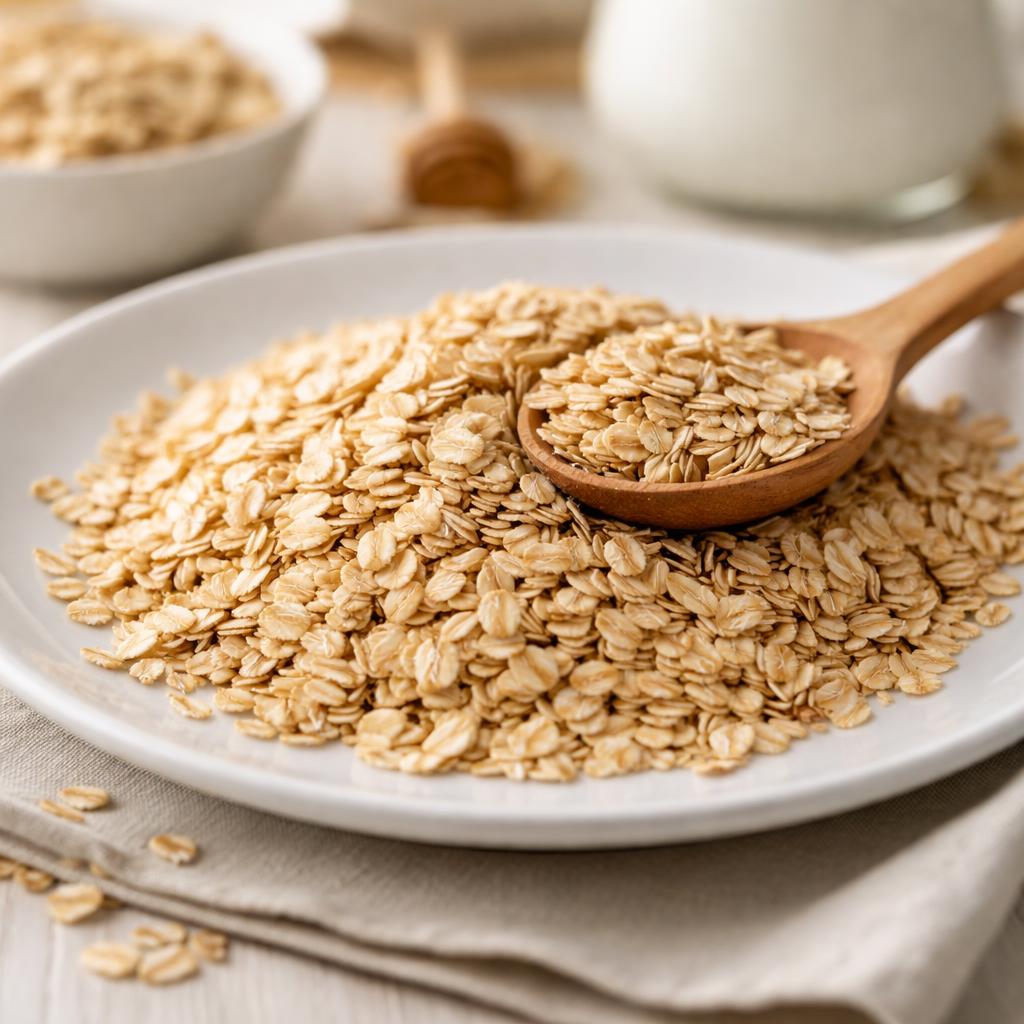
Rolled Oats
🎯 Quick Verdict
Rolled oats generally provide more nutritional benefits compared to bread, including higher protein and fiber content. Bread, on the other hand, is lower in calories per serving and offers convenience as a staple food. Oats are excellent for sustained energy and heart health, while bread is versatile and suitable for quick meals or sandwiches.

Smart Nutrition Tracking with SnapCalorie

📊 Nutritional Comparison
Macronutrients
| Nutrient | Food 1 | Food 2 | Winner |
|---|---|---|---|
| Calories | 77 (1 slice) | 150 (1/2 cup raw) | ✓ |
| Protein | 2.5g | 5g | ✓ |
| Carbs | 14g | 27g | ✓ |
| Fat | 1g | 3g | ✓ |
| Fiber | 1g | 4g | ✓ |
Vitamins & Minerals
| Nutrient | Food 1 | Food 2 | Winner |
|---|---|---|---|
| Vitamin B1 (Thiamine) | 0.05mg | 0.2mg | ✓ |
| Iron | 0.5mg | 2mg | ✓ |
| Magnesium | 6mg | 60mg | ✓ |
🏆 Category Winners
Protein
Rolled oats provide 100% more protein per serving than bread.
Fiber
Rolled oats contain 4x more fiber per serving compared to bread.
Calories
Bread has approximately 50% fewer calories per serving than rolled oats.
Vitamins
Rolled oats are richer in essential nutrients like iron and magnesium.
🥗 Diet Compatibility
Keto
Food 1: Not Compatible
Food 2: Not Compatible
Both are high in carbohydrates and unsuitable for keto diets.
Vegan
Food 1: Compatible
Food 2: Compatible
Both foods are plant-based and suitable for vegan diets.
Gluten Free
Food 1: Not Compatible (unless gluten-free bread)
Food 2: Could be Compatible (if oats are certified gluten-free)
Bread typically contains gluten, while oats might contain traces unless certified gluten-free.
Paleo
Food 1: Not Compatible
Food 2: Not Compatible
Grains like bread and oats are not allowed on a paleo diet.
Low-Carb
Food 1: Not Compatible
Food 2: Not Compatible
Both foods are moderate to high in carbohydrates.
💪 Health Benefits Comparison
Food 1 Benefits
- Quick energy source due to carbohydrate content
- Low in fat for calorie control
- Convenient as a quick and versatile staple food
Food 2 Benefits
- Excellent source of dietary fiber for better digestion
- Rich in iron, supporting red blood cell production
- Contains magnesium for muscle and nerve function
✅ The Bottom Line
Choose bread for a lower-calorie option or as a quick base for meals and sandwiches. Rolled oats are ideal for nutrient-dense breakfasts or snacks, offering more fiber and protein for sustained energy and heart health.
Choose Food 1 for: Quick meals, sandwiches, calorie-conscious diets
Choose Food 2 for: Heart health, sustained energy, high-fiber diets


