Bread VS Red Pepper
A detailed nutritional comparison
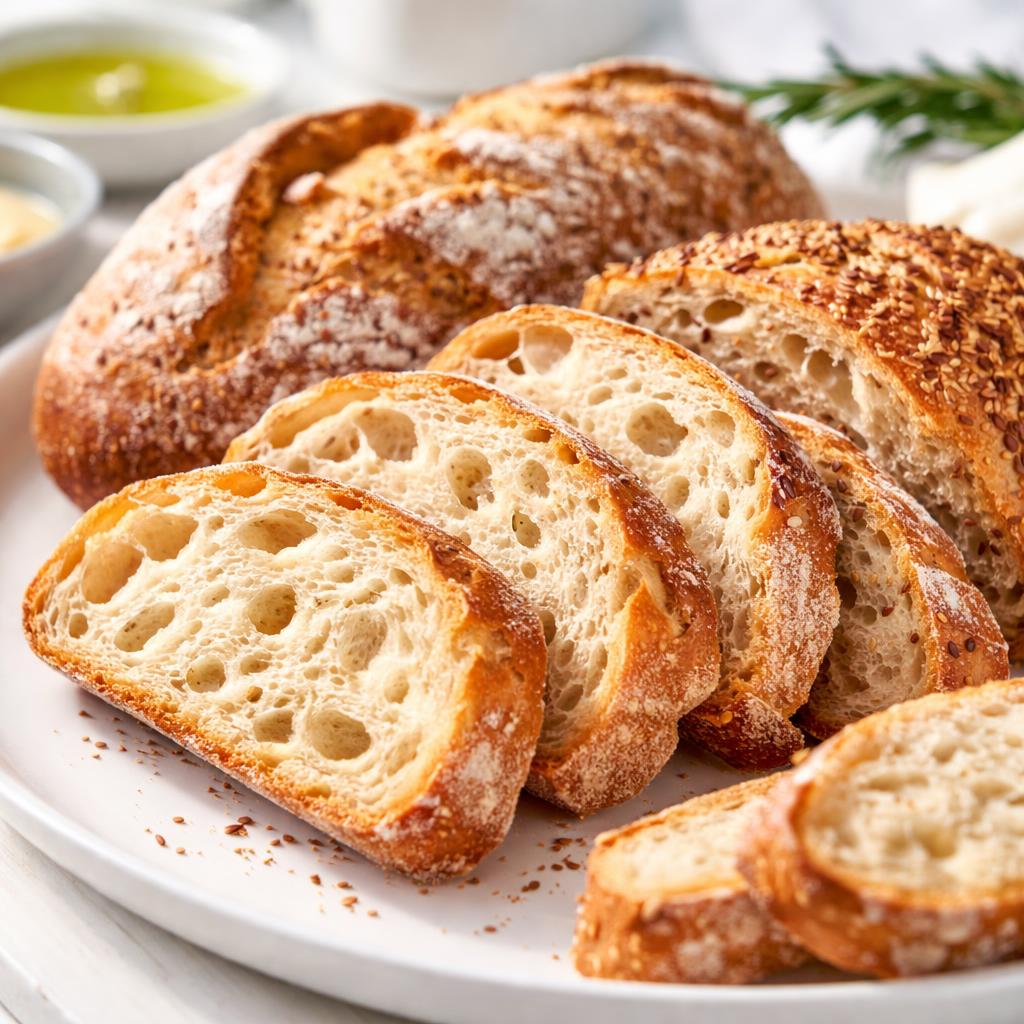
Bread
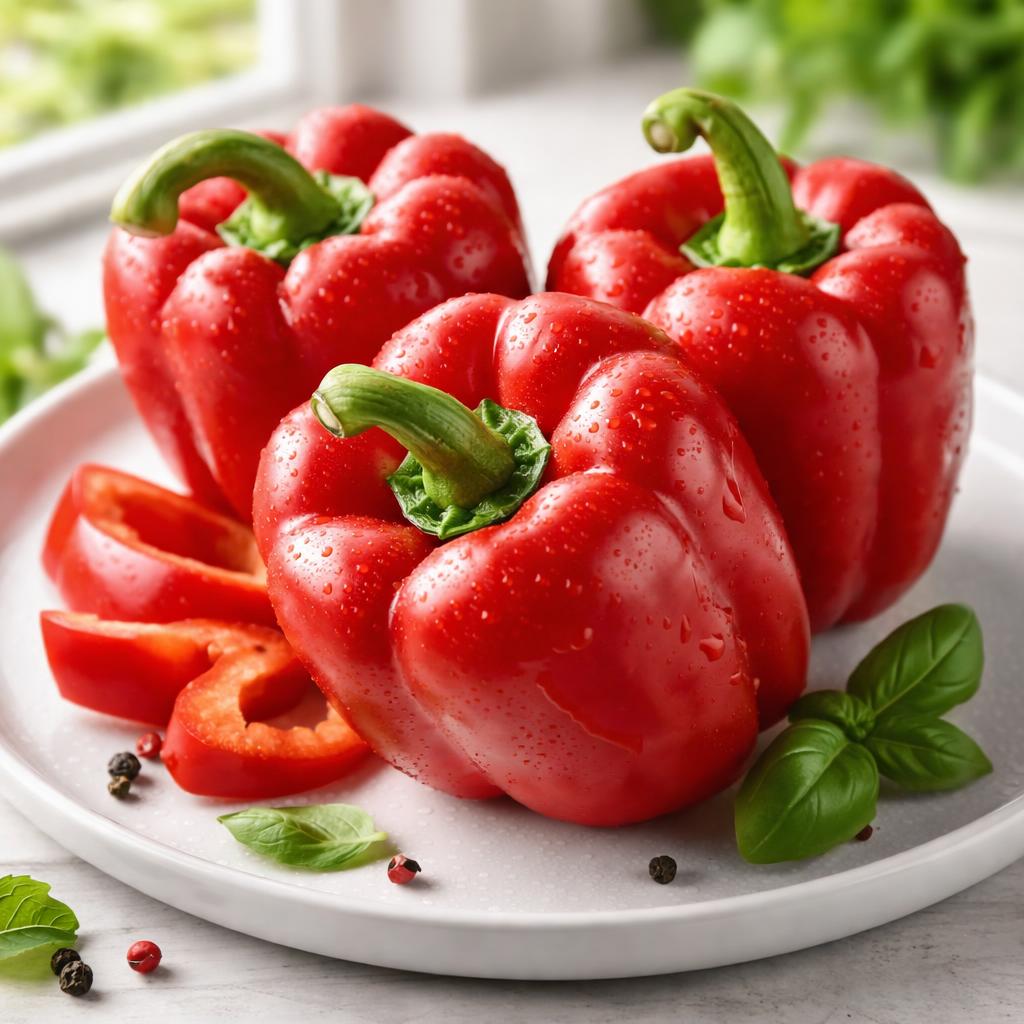
Red Pepper
🎯 Quick Verdict
Bread is higher in calories and provides more protein, making it suitable for energy-intensive activities or workouts. Red peppers have fewer calories and are rich in fiber, vitamins A and C, offering excellent nutritional density for weight management and immune support. Deciding between the two depends on your dietary goals and needs.

Smart Nutrition Tracking with SnapCalorie

📊 Nutritional Comparison
Macronutrients
| Nutrient | Food 1 | Food 2 | Winner |
|---|---|---|---|
| Calories | 80 (per slice) | 40 (per medium pepper) | ✓ |
| Protein | 2.6g | 1g | ✓ |
| Carbs | 15g | 9g | ✓ |
| Fat | 1g | 0.3g | ✓ |
| Fiber | 1g | 2g | ✓ |
Vitamins & Minerals
| Nutrient | Food 1 | Food 2 | Winner |
|---|---|---|---|
| Vitamin C | 0mg | 150mg | ✓ |
| Vitamin A | 0IU | 2000IU | ✓ |
| Iron | 0.8mg | 0.3mg | ✓ |
🏆 Category Winners
Protein
Bread has more protein, making it better for muscle repair.
Fiber
Red peppers have double the fiber content per serving.
Calories
Red peppers have half the calories compared to one slice of bread.
Vitamins
Red peppers are loaded with vitamin C and vitamin A, making them nutritionally superior in this category.
🥗 Diet Compatibility
Keto
Food 1: Not Compatible
Food 2: Compatible
Red peppers are low-carb, unlike bread, which is high in carbs.
Vegan
Food 1: Compatible
Food 2: Compatible
Both foods are plant-based.
Gluten Free
Food 1: Not Compatible
Food 2: Compatible
Bread contains gluten unless specifically made gluten-free.
Paleo
Food 1: Not Compatible
Food 2: Compatible
Red peppers are paleo-friendly; bread is a processed food and not compliant with paleo diets.
Low-Carb
Food 1: Not Compatible
Food 2: Compatible
Bread is high in carbohydrates, while red peppers are relatively low-carb.
💪 Health Benefits Comparison
Food 1 Benefits
- Provides a source of quick energy from carbohydrates
- Contains small amounts of protein for muscle repair
- Certain bread types may provide fortified nutrients like B vitamins
Food 2 Benefits
- High in vitamin C for immune system support
- Contains dietary fiber to aid digestion and promote satiety
- Rich in antioxidants like beta-carotene for eye health and reducing inflammation
✅ The Bottom Line
Choose bread if you need a quick energy boost and moderate protein intake for sports or meal pairing. Opt for red peppers for weight management, digestion, and a nutrient-dense option full of vitamins and antioxidants. Both foods have distinct roles, so pick based on your specific dietary goals.
Choose Food 1 for: Energy boosts, post-workout snacks, pairing with high-protein meals
Choose Food 2 for: Weight loss, immune system support, snacking, or side dish


