Bread VS Red Onion
A detailed nutritional comparison
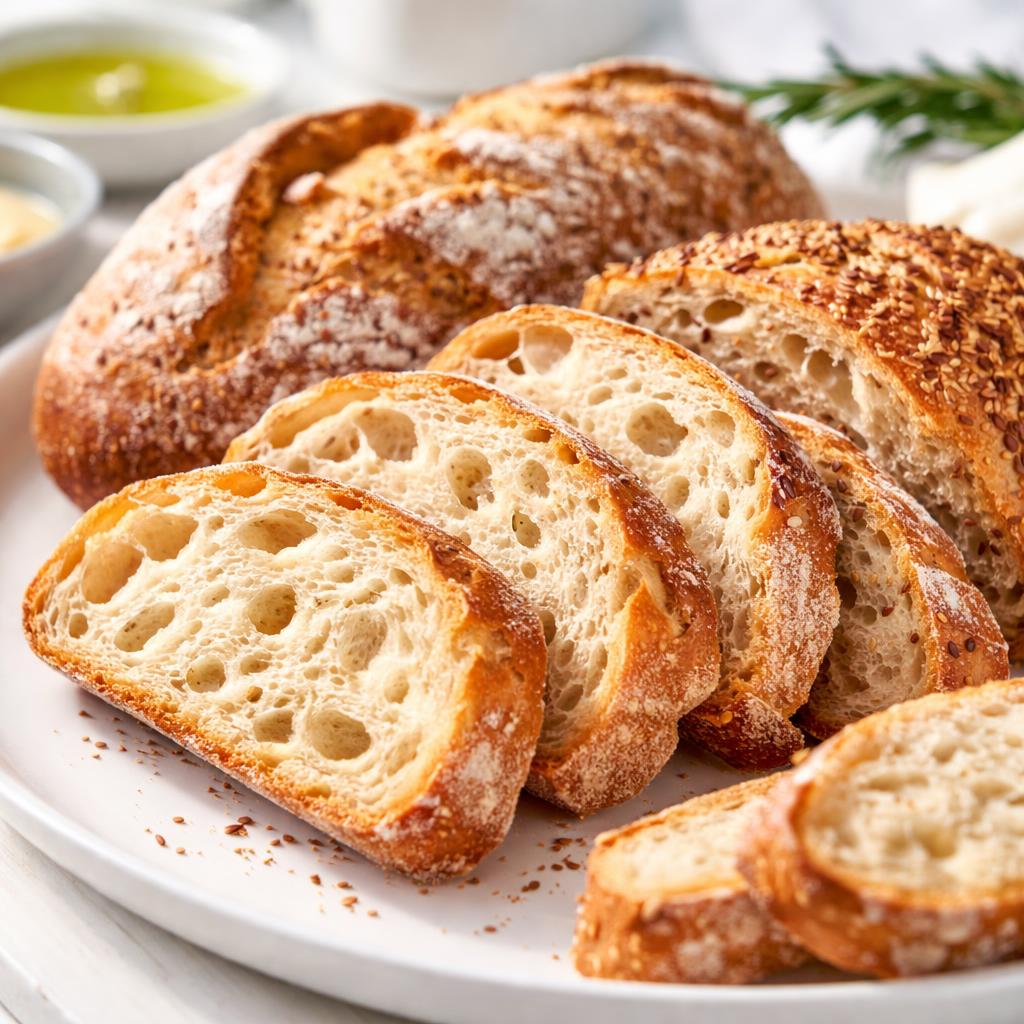
Bread
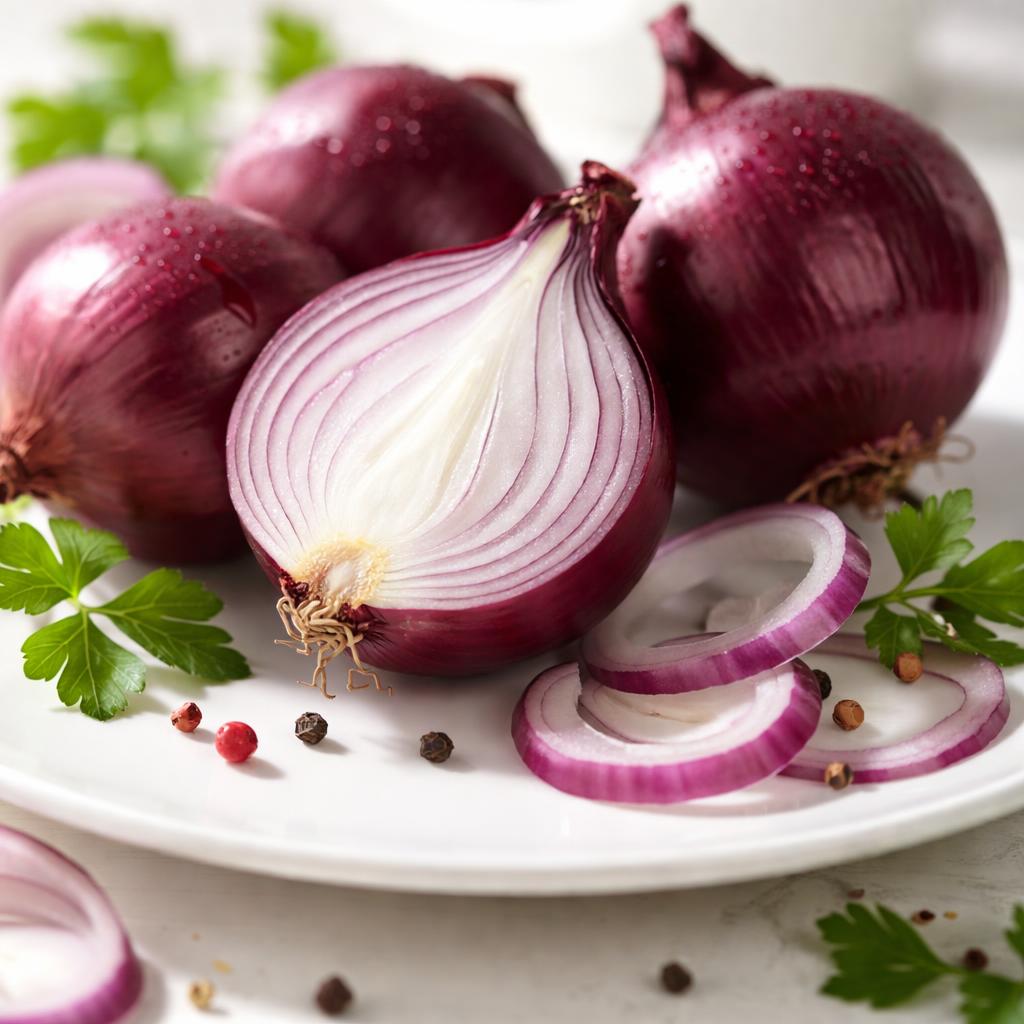
Red Onion
🎯 Quick Verdict
Bread and red onion have distinct nutrient profiles. Bread is higher in protein and carbohydrates, making it a better source of energy for physical activity, while red onion is lower in calories but higher in fiber, offering digestive benefits. Bread works well as a staple for energy and pairing, whereas red onion is ideal for adding flavor and micronutrient benefits to dishes.

Smart Nutrition Tracking with SnapCalorie

📊 Nutritional Comparison
Macronutrients
| Nutrient | Food 1 | Food 2 | Winner |
|---|---|---|---|
| Calories | 80 (per slice, ~30g) | 40 (per 100g) | − |
| Protein | 2.5g | 1g | − |
| Carbs | 15g | 9g | − |
| Fat | 1g | 0g | − |
| Fiber | 1g | 2g | − |
Vitamins & Minerals
| Nutrient | Food 1 | Food 2 | Winner |
|---|---|---|---|
| Vitamin C | 0mg | 7mg | − |
| Potassium | 30mg | 150mg | − |
| Calcium | 40mg | 25mg | − |
🏆 Category Winners
Protein
Bread contains 150% more protein than red onion.
Fiber
Red onion has twice as much fiber, aiding digestion.
Calories
Red onion has 50% fewer calories per serving.
Vitamins
Red onion is rich in vitamin C and potassium, essential for immune function and heart health.
🥗 Diet Compatibility
Keto
Food 1: Not Compatible
Food 2: Compatible
Bread is high-carb, while red onion is low-carb.
Vegan
Food 1: Compatible
Food 2: Compatible
Both are plant-based options.
Gluten Free
Food 1: Not Compatible
Food 2: Compatible
Bread typically contains gluten unless using gluten-free varieties.
Paleo
Food 1: Not Compatible
Food 2: Compatible
Bread is processed and not paleo-friendly, while red onion is unprocessed.
Low-Carb
Food 1: Not Compatible
Food 2: Compatible
Bread is higher in carbs compared to red onion.
💪 Health Benefits Comparison
Food 1 Benefits
- High in energy for physical activity due to carbohydrate content
- Provides protein for muscle health
- Contains some calcium for bone strength
Food 2 Benefits
- Rich in antioxidants such as quercetin for anti-inflammatory benefits
- High in fiber for improved digestion and gut health
- Low in calories, ideal for weight management and calorie-conscious diets
✅ The Bottom Line
Bread and red onion serve very different dietary purposes. Bread is a good source of energy and protein, making it ideal for active individuals or as part of meals requiring sustenance. Red onion, on the other hand, is low-calorie and nutrient-dense, providing fiber and vitamins, which can complement salads, side dishes, or recipes focused on health-promoting ingredients.
Choose Food 1 for: Energy-boosting meals, pairing with proteins, post-workout recovery
Choose Food 2 for: Low-calorie meals, digestive health, flavor enhancement in dishes


