Bread VS Red Apple
A detailed nutritional comparison

Bread
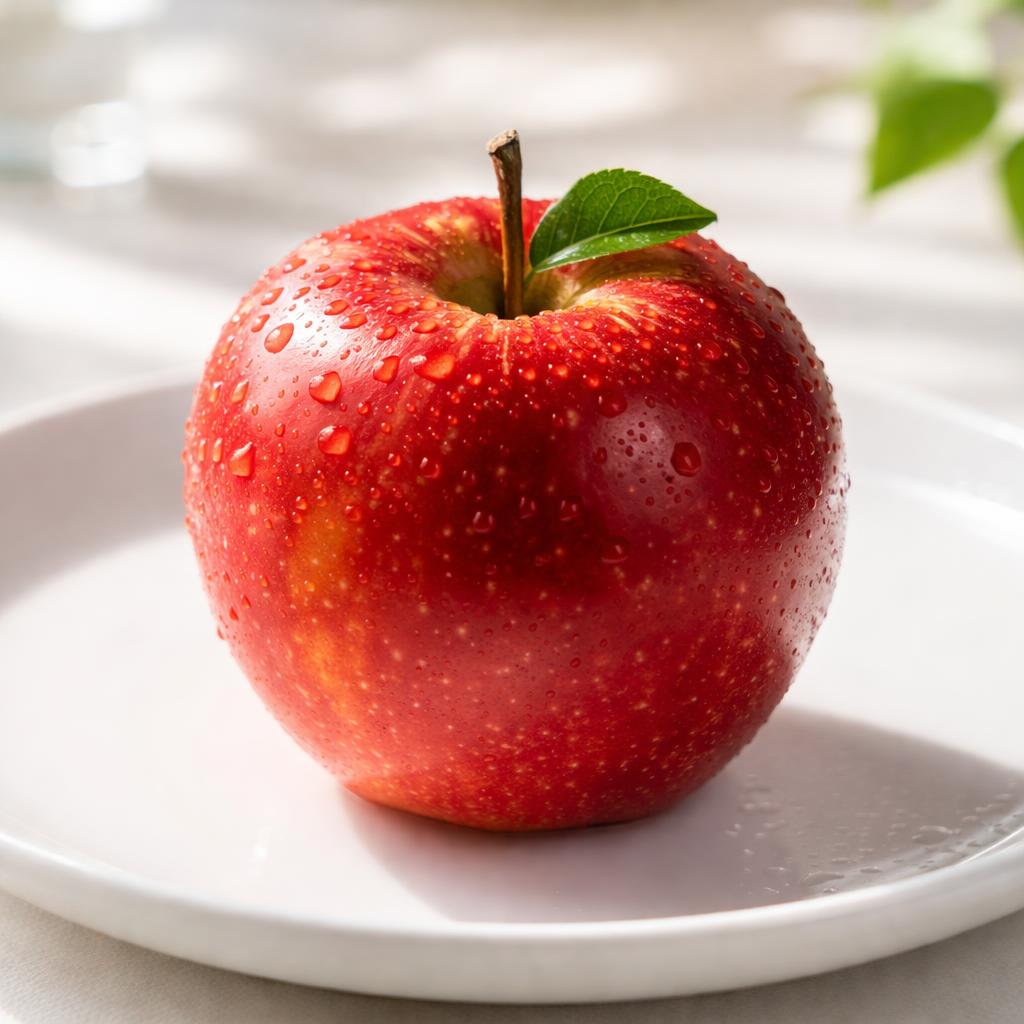
Red Apple
🎯 Quick Verdict
Bread is a good source of carbohydrates and protein compared to red apples, making it ideal for energy and protein needs. Red apples provide lower calories, more dietary fiber, and natural sugars, perfect for digestion and healthy snacking. Both offer unique benefits depending on dietary goals.

Smart Nutrition Tracking with SnapCalorie

📊 Nutritional Comparison
Macronutrients
| Nutrient | Food 1 | Food 2 | Winner |
|---|---|---|---|
| Calories | 79 | 52 | ✓ |
| Protein | 3g | 0.3g | ✓ |
| Carbs | 15g | 14g | − |
| Fat | 1g | 0.2g | ✓ |
| Fiber | 0.8g | 2.4g | ✓ |
Vitamins & Minerals
| Nutrient | Food 1 | Food 2 | Winner |
|---|---|---|---|
| Vitamin C | 0mg | 4.6mg | ✓ |
| Potassium | 35mg | 107mg | ✓ |
| Iron | 2.7mg | 0.1mg | ✓ |
🏆 Category Winners
Protein
Bread contains 10x more protein than red apple.
Fiber
Red apple provides 3x more fiber than bread.
Calories
Red apple is lower in calories, making it better for calorie-conscious diets.
Vitamins
Red apple provides a significant amount of Vitamin C and potassium, while bread provides more iron.
🥗 Diet Compatibility
Keto
Food 1: Not Compatible
Food 2: Not Compatible
Both are too high in carbohydrates for keto diets.
Vegan
Food 1: Compatible
Food 2: Compatible
Both are plant-based foods.
Gluten Free
Food 1: Not Compatible
Food 2: Compatible
Bread contains gluten unless specifically labeled gluten-free, while apples are naturally gluten-free.
Paleo
Food 1: Not Compatible
Food 2: Compatible
Bread is processed and contains grains, which are excluded from paleo diets, while apples fit paleo guidelines.
Low-Carb
Food 1: Not Compatible
Food 2: Not Compatible
Both have high carbohydrate content, making them unsuitable for low-carb diets.
💪 Health Benefits Comparison
Food 1 Benefits
- Contains iron for improved oxygen transport in the body
- Good source of carbohydrates for sustained energy
- Low in fat, making it heart-friendly
Food 2 Benefits
- Rich in fiber for better digestion and gut health
- Provides Vitamin C for enhancing immunity
- Contains potassium, which supports healthy muscle function
✅ The Bottom Line
Bread and red apples serve different purposes in a balanced diet. Bread is better for energy, protein, and iron needs, while red apples are ideal for fiber intake, lower calorie options, and boosting Vitamin C levels. Depending on your goals, you can choose one or incorporate both into your meals.
Choose Food 1 for: Energy boost, iron intake, protein needs
Choose Food 2 for: Fiber intake, light snacks, immunity support


