Bread VS Pine Nuts
A detailed nutritional comparison
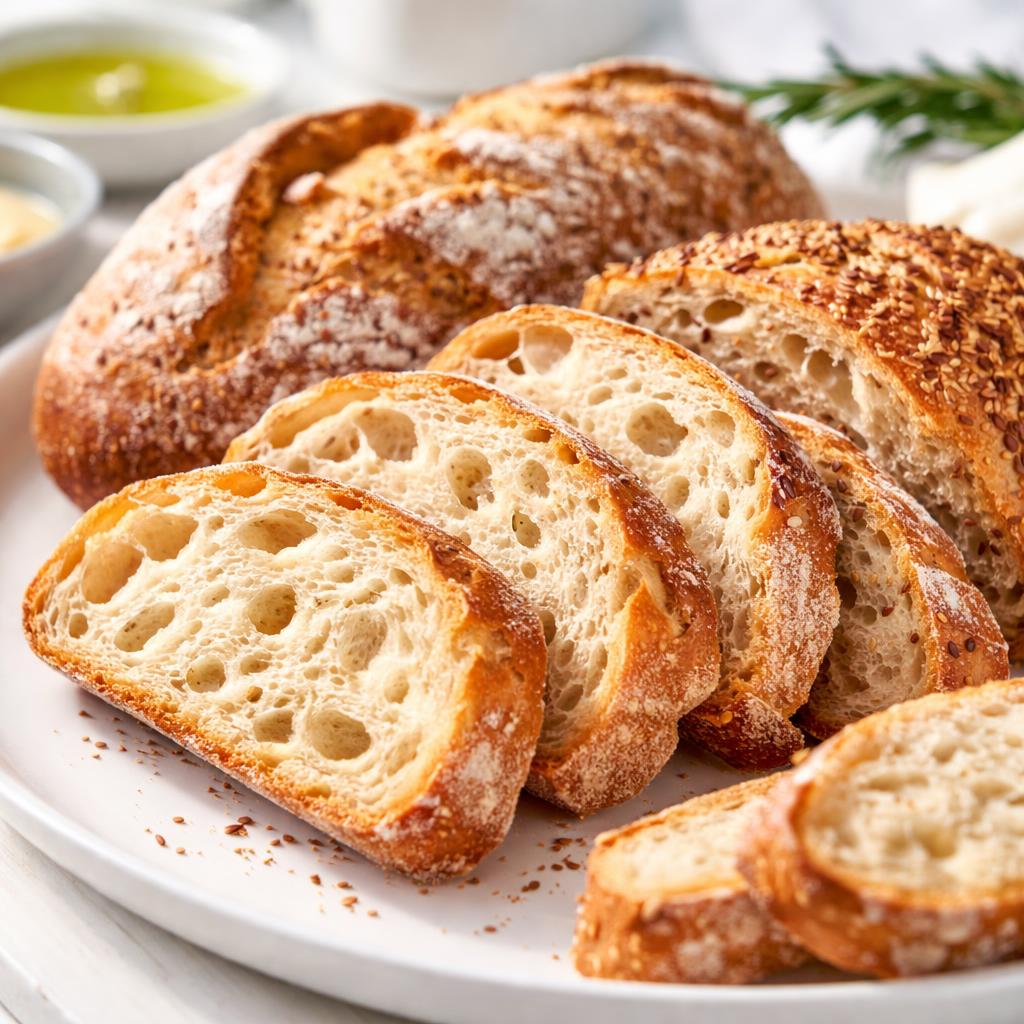
Bread
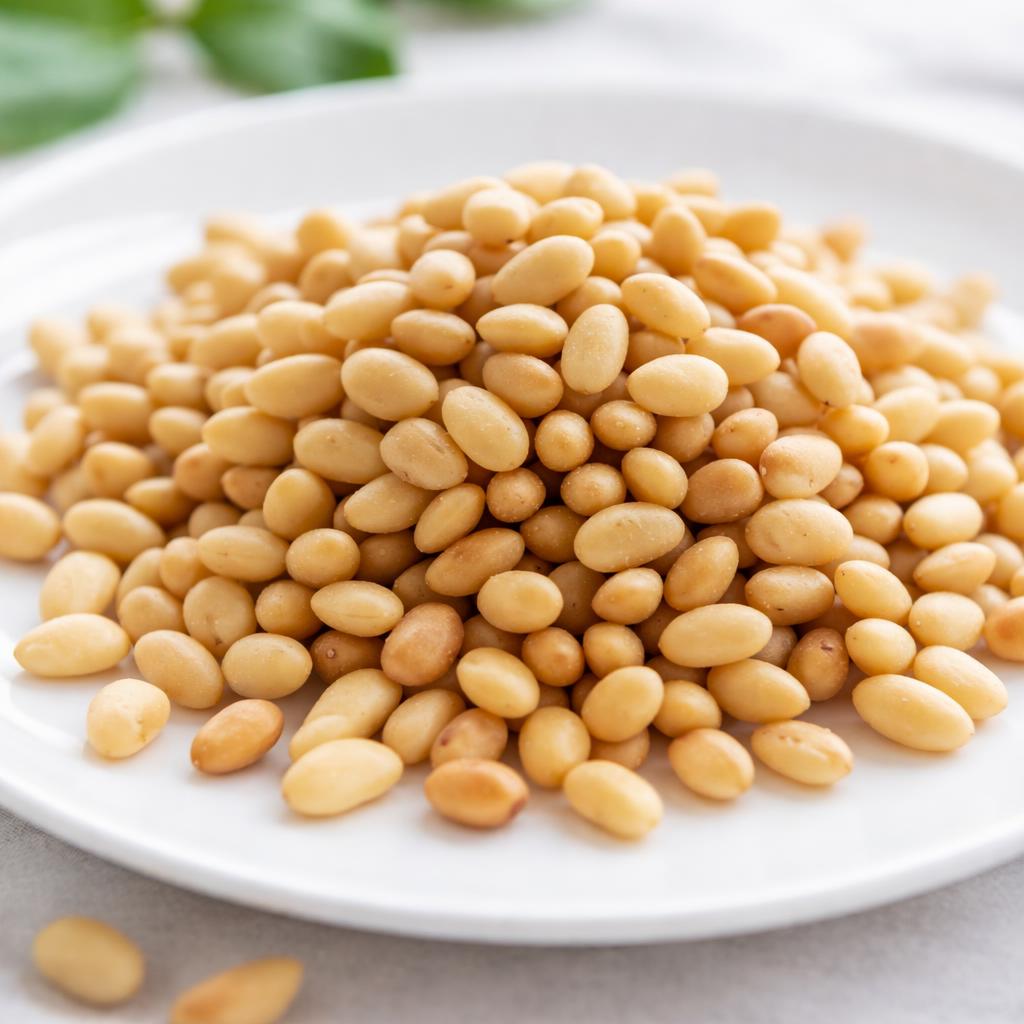
Pine Nuts
🎯 Quick Verdict
Bread provides more fiber and fewer calories, making it a better choice for weight control and digestive health. Meanwhile, pine nuts are much higher in protein and healthy fats, supporting muscle maintenance and heart health. Bread is ideal for quick energy, while pine nuts offer sustained energy and nutrient density.

Smart Nutrition Tracking with SnapCalorie

📊 Nutritional Comparison
Macronutrients
| Nutrient | Food 1 | Food 2 | Winner |
|---|---|---|---|
| Calories | 75 (1 slice) | 200 (1 oz) | ✓ |
| Protein | 3g | 4g | ✓ |
| Carbs | 14g | 4g | ✓ |
| Fat | 1g | 21g | ✓ |
| Fiber | 1.5g | 1g | ✓ |
Vitamins & Minerals
| Nutrient | Food 1 | Food 2 | Winner |
|---|---|---|---|
| Vitamin D | 0mcg | 0mcg | − |
| Calcium | 75mg | 16mg | ✓ |
| Iron | 0.5mg | 1.57mg | ✓ |
| Vitamin E | 0mg | 9.3mg | ✓ |
| Magnesium | 7mg | 71mg | ✓ |
🏆 Category Winners
Protein
Pine nuts provide 33% more protein than bread per serving.
Fiber
Bread has 50% more fiber than pine nuts per serving.
Calories
Bread has 62.5% fewer calories than pine nuts per serving.
Vitamins
Pine nuts are significantly richer in vitamin E, magnesium, and iron.
🥗 Diet Compatibility
Keto
Food 1: Not Compatible
Food 2: Compatible
Bread is high-carb, while pine nuts are low-carb.
Vegan
Food 1: Compatible
Food 2: Compatible
Both are plant-based foods.
Gluten Free
Food 1: Not Compatible
Food 2: Compatible
Bread typically contains gluten, whereas pine nuts do not.
Paleo
Food 1: Not Compatible
Food 2: Compatible
Bread is a processed grain product, while pine nuts align with paleo guidelines.
Low Carb
Food 1: Not Compatible
Food 2: Compatible
Bread contains 14g of carbs per serving, compared to just 4g in pine nuts.
💪 Health Benefits Comparison
Food 1 Benefits
- Source of quick energy due to carbohydrates
- Provides dietary fiber for digestive health
- Contains calcium for bone health
Food 2 Benefits
- Rich in healthy fats for heart health
- Good source of magnesium for muscle function and nervous system health
- Provides antioxidants from vitamin E
✅ The Bottom Line
Bread is a better choice for quick energy and digestive health, while pine nuts excel in protein, healthy fats, and essential nutrients. Choose bread for light meals or snacks, and opt for pine nuts as an energy-dense, nutrient-rich addition to salads or as a standalone snack.
Choose Food 1 for: Weight control, quick energy, digestive health
Choose Food 2 for: Heart health, sustained energy, nutrient density


