Bread VS Pepper
A detailed nutritional comparison
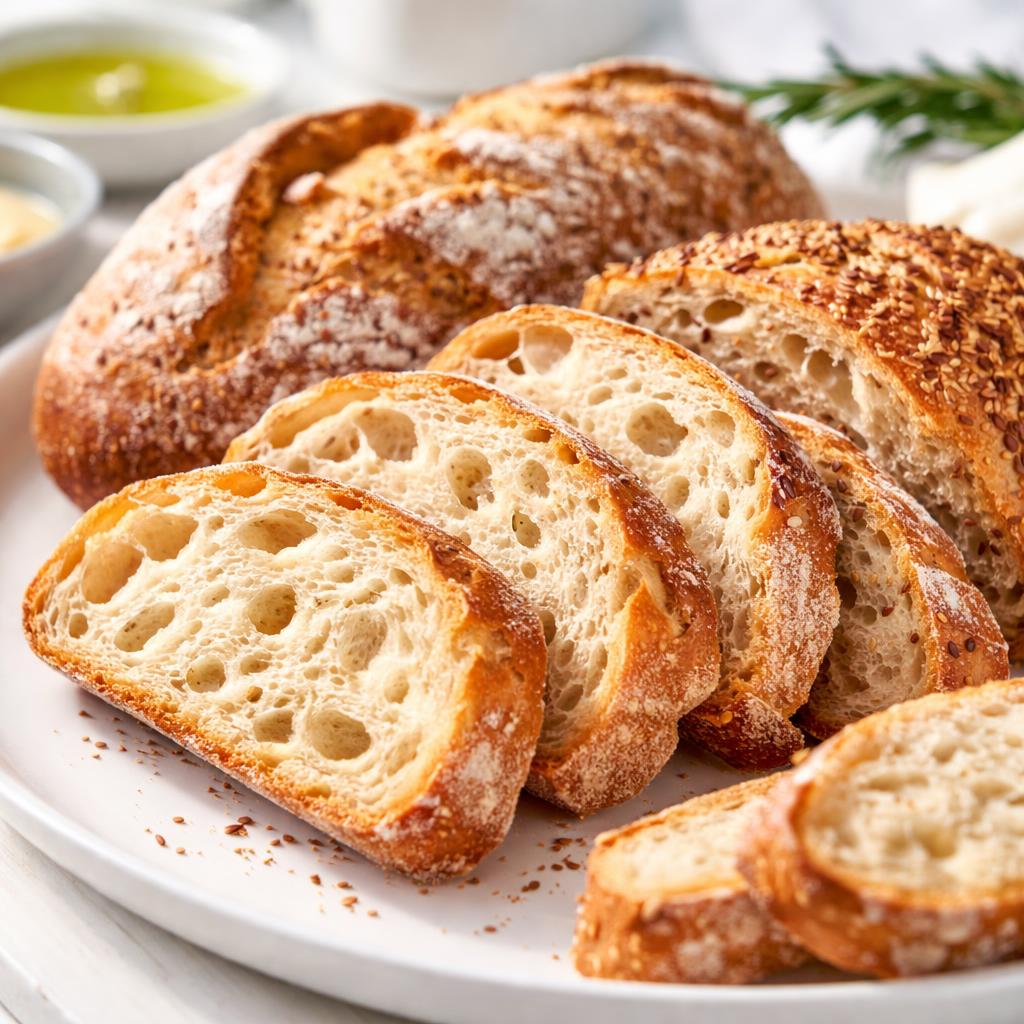
Bread
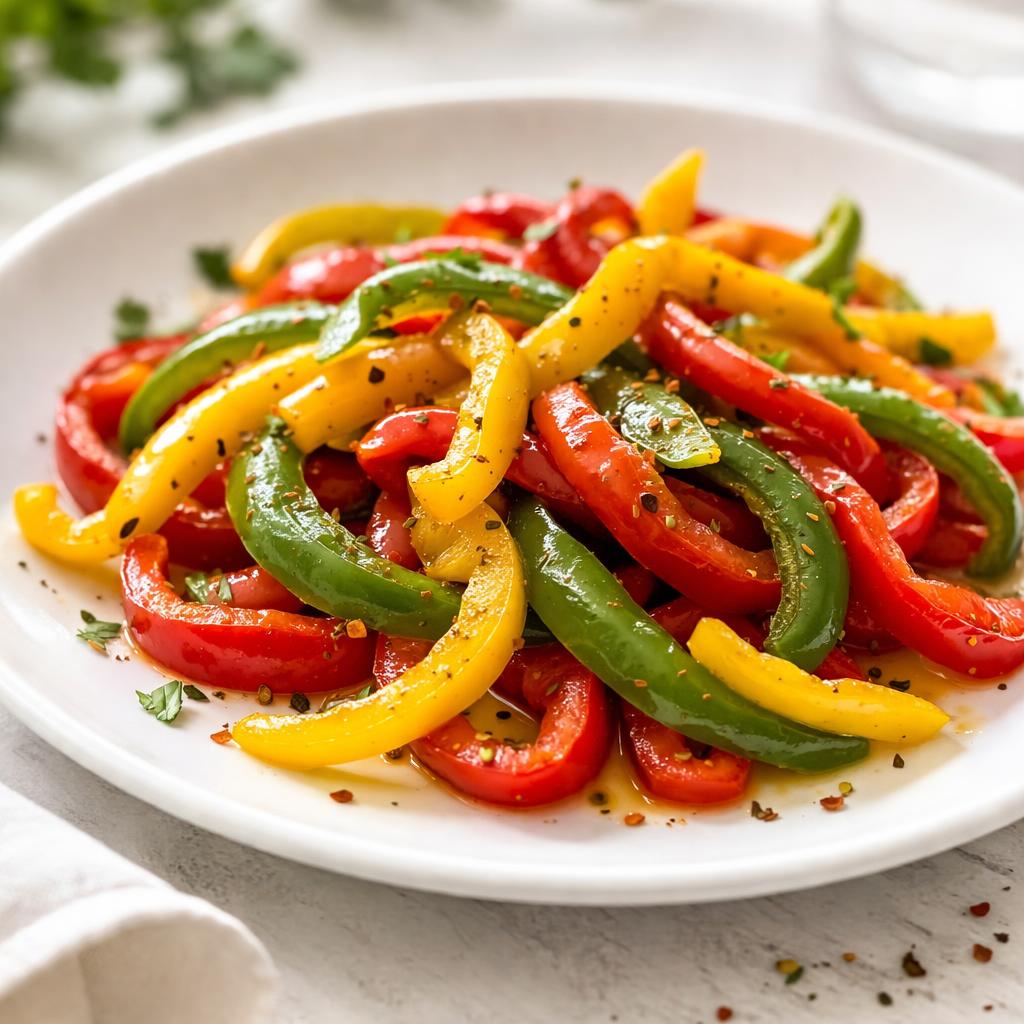
Pepper
🎯 Quick Verdict
Bread is higher in protein and carbohydrates, making it a better choice for quick energy. Peppers, on the other hand, are significantly lower in calories, rich in fiber, and packed with vitamins like Vitamin C, offering greater overall nutritional value. Bread is more suitable for energy-dense meals, while peppers are ideal for light, nutrient-focused diets.

Smart Nutrition Tracking with SnapCalorie

📊 Nutritional Comparison
Macronutrients
| Nutrient | Food 1 | Food 2 | Winner |
|---|---|---|---|
| Calories | 265 | 31 | ✓ |
| Protein | 9g | 1g | ✓ |
| Carbs | 49g | 7g | ✓ |
| Fat | 3g | 0g | ✓ |
| Fiber | 2.7g | 3g | ✓ |
Vitamins & Minerals
| Nutrient | Food 1 | Food 2 | Winner |
|---|---|---|---|
| Vitamin C | 0mg | 127.7mg | ✓ |
| Vitamin A | 0IU | 5050IU | ✓ |
| Iron | 3.6mg | 0.46mg | ✓ |
🏆 Category Winners
Protein
Bread contains 9g of protein per serving compared to pepper's 1g.
Fiber
Peppers provide slightly more fiber per serving with 3g compared to bread's 2.7g.
Calories
Peppers are drastically lower in calories with just 31 per serving.
Vitamins
Peppers are rich in Vitamin C and A, which bread does not contain significantly.
🥗 Diet Compatibility
Keto
Food 1: Not Compatible
Food 2: Compatible
Bread is high in carbs, while peppers are low-carb.
Vegan
Food 1: Compatible
Food 2: Compatible
Both foods are plant-based.
Gluten Free
Food 1: Not Compatible
Food 2: Compatible
Bread contains gluten, while peppers are naturally gluten-free.
Paleo
Food 1: Not Compatible
Food 2: Compatible
Bread is processed, but peppers align with the paleo diet's whole food focus.
Low Carb
Food 1: Not Compatible
Food 2: Compatible
Bread contains significant carbs, whereas peppers are low-carb-friendly.
💪 Health Benefits Comparison
Food 1 Benefits
- Great source of energy from carbohydrates
- Provides some protein to support muscle repair
- Contains iron for improved oxygen transport in blood
Food 2 Benefits
- Rich in Vitamin C for immune system support
- Contains Vitamin A for eye health and skin function
- Low in calories, making it excellent for weight management
- Provides dietary fiber for digestion
✅ The Bottom Line
If searching for a quick energy boost or foods to complement protein-rich meals, bread is your best choice. However, peppers are far lower in calories, nutrient-dense, and versatile in many diets. Choose bread for energy-heavy activities like hiking or sports, and peppers for nutrient-focused meals or weight management plans.
Choose Food 1 for: Quick energy, protein-complementary meals, traditional bread-based dishes
Choose Food 2 for: Weight management, nutrient-focused diets, low-calorie meals


