Bread VS Olive Oil
A detailed nutritional comparison
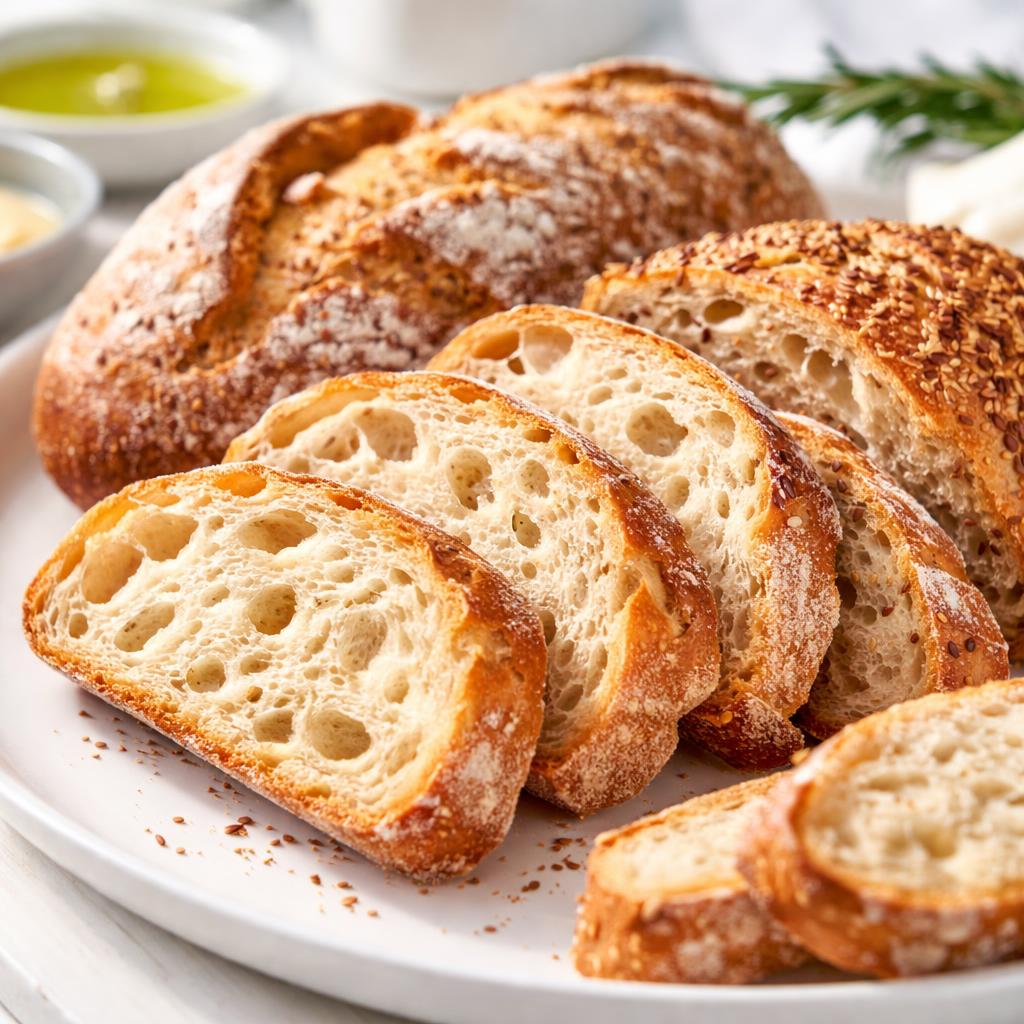
Bread
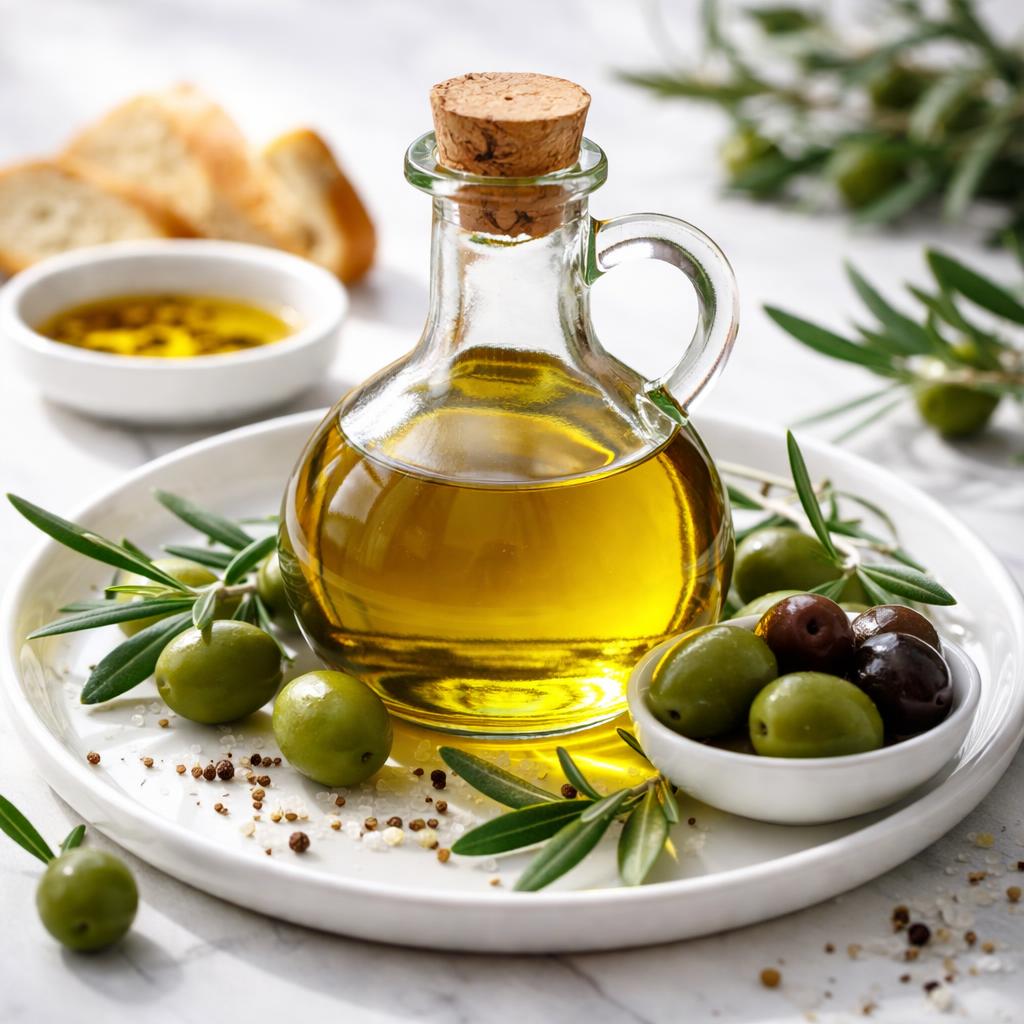
Olive Oil
🎯 Quick Verdict
Bread provides significantly more protein, fiber, and vitamins compared to olive oil, making it better for balanced diets. In contrast, olive oil is calorie-dense but rich in healthy fats, making it a great addition for heart health and energy support. Bread suits those seeking macronutrient balance while olive oil targets healthy fat consumption and flavor enhancement.

Smart Nutrition Tracking with SnapCalorie

📊 Nutritional Comparison
Macronutrients
| Nutrient | Food 1 | Food 2 | Winner |
|---|---|---|---|
| Calories | 75 (per slice, approx. 30g) | 119 (per tablespoon, approx. 15g) | ✓ |
| Protein | 3g | 0g | ✓ |
| Carbs | 14g | 0g | ✓ |
| Fat | 1g | 14g | ✓ |
| Fiber | 1g | 0g | ✓ |
Vitamins & Minerals
| Nutrient | Food 1 | Food 2 | Winner |
|---|---|---|---|
| Vitamin D | 0mcg | 0mcg | − |
| Calcium | 30mg | 0mg | ✓ |
| Iron | 1mg | 0mg | ✓ |
🏆 Category Winners
Protein
Bread contains 3g of protein per slice, while olive oil contains none.
Fiber
Bread provides 1g of fiber per slice, aiding digestion.
Calories
Olive oil has 40% more calories per serving due to higher fat content.
🥗 Diet Compatibility
Keto
Food 1: Not Compatible
Food 2: Compatible
Olive oil fits keto guidelines as it is purely fat, while bread is high-carb.
Vegan
Food 1: Compatible
Food 2: Compatible
Both bread and olive oil are plant-based foods.
Gluten Free
Food 1: Not Compatible
Food 2: Compatible
Traditional bread contains gluten, while olive oil is gluten-free.
Paleo
Food 1: Not Compatible
Food 2: Compatible
Bread is not paleo-friendly due to grains; olive oil is suitable for paleo diets.
Low-Carb
Food 1: Not Compatible
Food 2: Compatible
Bread is high in carbohydrates; olive oil is carb-free.
💪 Health Benefits Comparison
Food 1 Benefits
- Provides energy through complex carbohydrates
- Contains protein for muscle maintenance
- Offers essential minerals like iron and calcium
Food 2 Benefits
- Rich in monounsaturated fats for heart health
- Contains antioxidants that reduce inflammation
- Supports brain function and joint lubrication
✅ The Bottom Line
Bread is ideal for diets requiring balanced macronutrients and moderate energy sources; it works well as part of meals for active individuals. Olive oil is best used as a healthy fat source, suitable for heart-conscious diets and enhancing food flavor without adding carbs.
Choose Food 1 for: Active lifestyles, balanced diets, post-workout snacking
Choose Food 2 for: Heart health, ketogenic diets, adding flavor without carbs


