Bread VS Mashed Potatoes
A detailed nutritional comparison
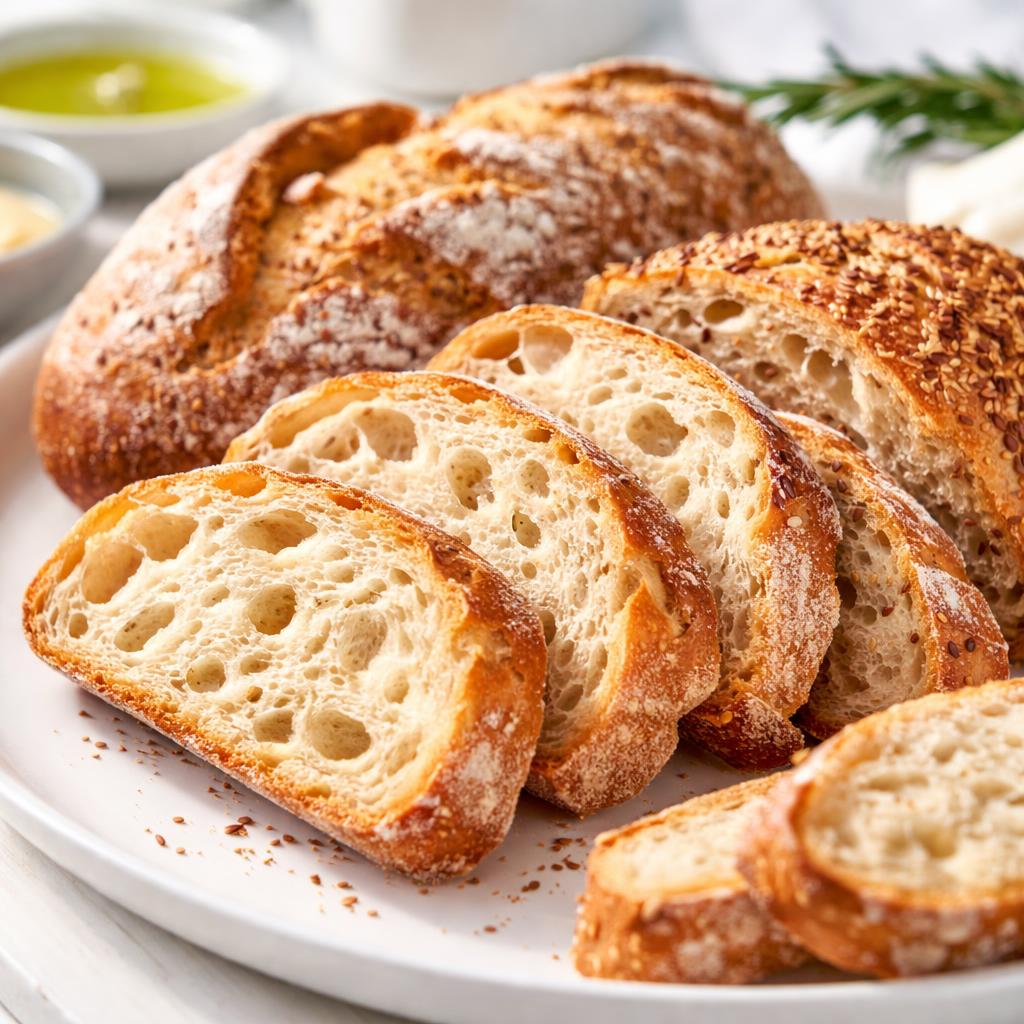
Bread
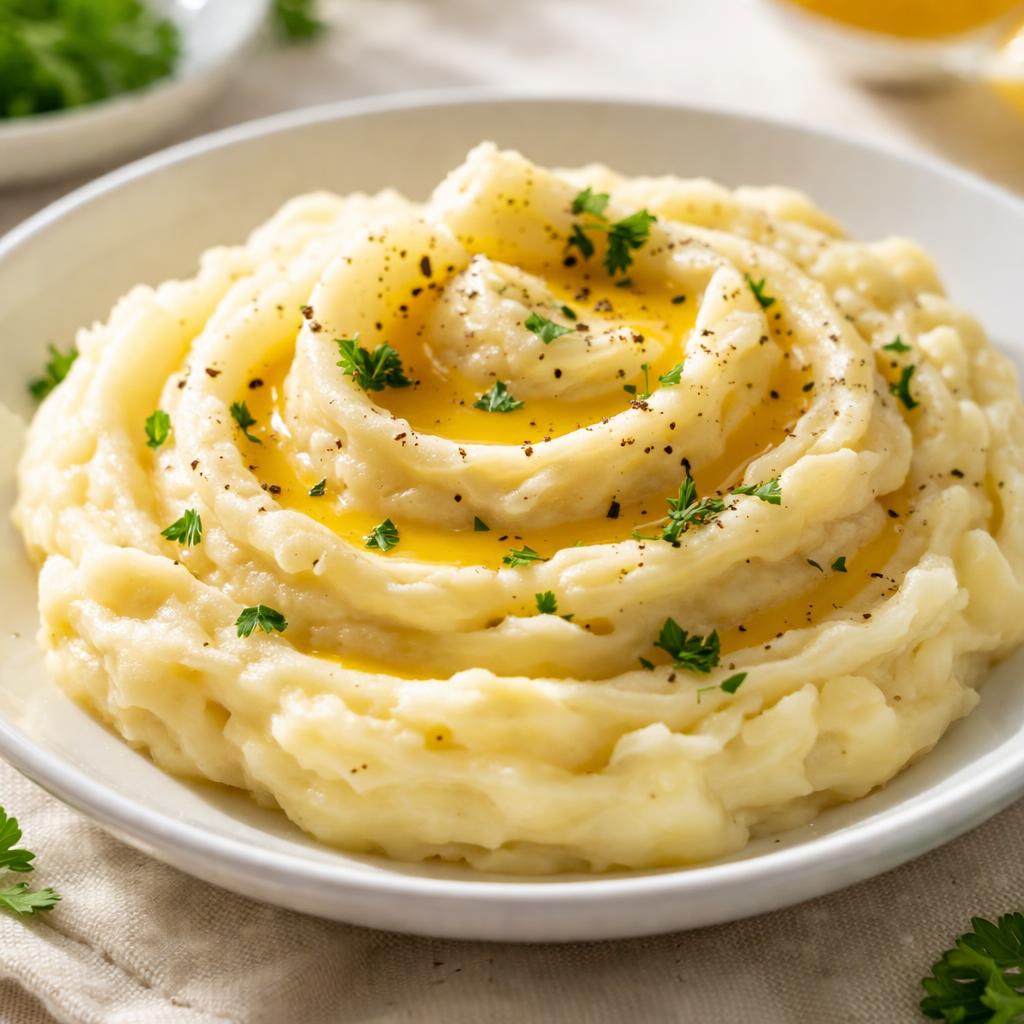
Mashed Potatoes
🎯 Quick Verdict
Bread is lower in calories and slightly higher in protein and fiber, making it better for weight control and digestive health. Mashed potatoes, on the other hand, are a better source of potassium and vitamin C, ideal for electrolyte balance and immune support. Both foods are versatile but suit different dietary purposes depending on your goals.

Smart Nutrition Tracking with SnapCalorie

📊 Nutritional Comparison
Macronutrients
| Nutrient | Food 1 | Food 2 | Winner |
|---|---|---|---|
| Calories | 80 per slice (40g) | 110 per 1/2 cup (120g) | ✓ |
| Protein | 3g | 2g | ✓ |
| Carbs | 14g | 25g | ✓ |
| Fat | 1g | 4g | ✓ |
| Fiber | 1g | 0.7g | ✓ |
Vitamins & Minerals
| Nutrient | Food 1 | Food 2 | Winner |
|---|---|---|---|
| Vitamin C | 0mg | 8mg | ✓ |
| Calcium | 45mg | 11mg | ✓ |
| Potassium | 40mg | 330mg | ✓ |
| Iron | 0.5mg | 0.3mg | ✓ |
🏆 Category Winners
Protein
Bread has 50% more protein per serving compared to mashed potatoes.
Fiber
Bread offers 30% more fiber due to whole-grain content.
Calories
Bread is 27% lower in calories per serving.
Vitamins
Mashed potatoes provide significantly more potassium and vitamin C, benefiting heart health and immunity.
🥗 Diet Compatibility
Keto
Food 1: Not Compatible
Food 2: Not Compatible
Both are high in carbs.
Vegan
Food 1: Compatible
Food 2: Compatible
Both are plant-based as long as no dairy or animal products are added.
Gluten Free
Food 1: Not Compatible
Food 2: Compatible
Bread contains gluten; mashed potatoes are naturally gluten-free.
Paleo
Food 1: Not Compatible
Food 2: Partially Compatible
Bread is excluded in paleo diets. Mashed potatoes are occasionally accepted when minimally processed.
Low Carb
Food 1: Not Compatible
Food 2: Not Compatible
Both foods are high in carbohydrates.
💪 Health Benefits Comparison
Food 1 Benefits
- Low calorie density for weight management
- Fiber content supports digestion
- Provides modest calcium and iron for bone health
Food 2 Benefits
- Rich in potassium for electrolyte balance
- Good source of vitamin C for immunity
- Contains healthy carbs for sustained energy
✅ The Bottom Line
Bread and mashed potatoes serve different dietary roles. Choose bread if you're looking for lower calorie options with more protein and fiber, ideal for weight management and digestion. Opt for mashed potatoes when you need potassium and vitamin C for energy recovery or heart health.
Choose Food 1 for: Weight loss, high-fiber diets, vegan sandwiches
Choose Food 2 for: Electrolyte replenishment, energy recovery, nutrient density


