Bread VS Margarita
A detailed nutritional comparison
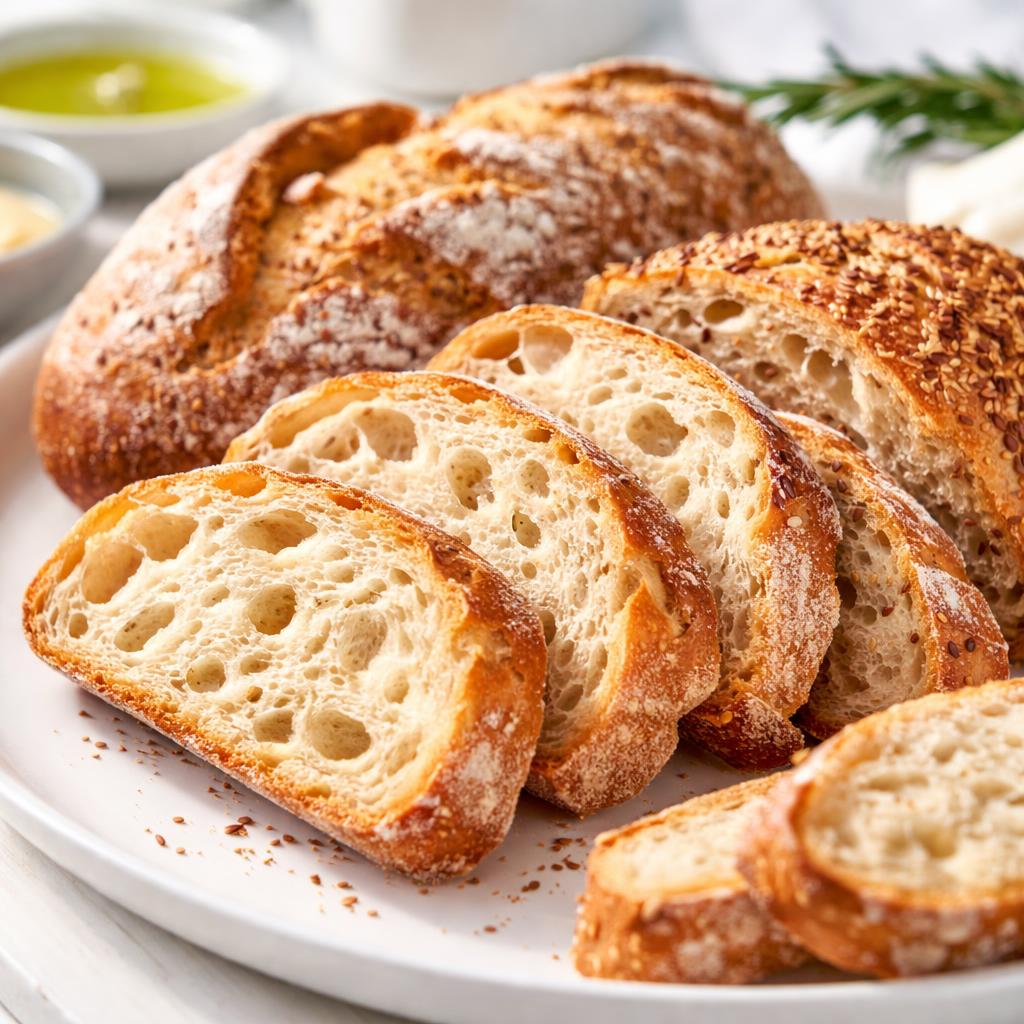
Bread
Margarita
🎯 Quick Verdict
Bread is a more nutrient-dense option overall, providing higher amounts of protein, fiber, and fewer calories per serving compared to a margarita. While bread can serve as a healthier daily staple, a margarita is more calorie-dense with no significant nutritional benefits, and better suited as an occasional indulgence beverage.

Smart Nutrition Tracking with SnapCalorie

📊 Nutritional Comparison
Macronutrients
| Nutrient | Food 1 | Food 2 | Winner |
|---|---|---|---|
| Calories | 80 | 200 | ✓ |
| Protein | 2g | 0g | ✓ |
| Carbs | 14g | 25g | ✓ |
| Fat | 1g | 0g | ✓ |
| Fiber | 1g | 0g | ✓ |
Vitamins & Minerals
| Nutrient | Food 1 | Food 2 | Winner |
|---|---|---|---|
| Vitamin D | 0mcg | 0mcg | − |
| Calcium | 30mg | 10mg | ✓ |
| Iron | 0.5mg | 0mg | ✓ |
🏆 Category Winners
Protein
Bread contains 2g of protein, while margarita has none.
Fiber
Bread provides dietary fiber (1g per serving), which margarita lacks entirely.
Calories
Bread has lower calorie content, at 80 calories per serving compared to 200 in margarita.
🥗 Diet Compatibility
Keto
Food 1: Not Compatible
Food 2: Not Compatible
Both are high-carb options not suitable for keto diets.
Vegan
Food 1: Compatible
Food 2: Compatible
Both are free of animal-derived ingredients.
Gluten Free
Food 1: Not Compatible
Food 2: Compatible
Bread made from wheat contains gluten, while margaritas are naturally gluten-free.
Paleo
Food 1: Not Compatible
Food 2: Compatible
Bread is processed, while margaritas fit the paleo lifestyle if low-sugar options are used.
Low Carb
Food 1: Not Compatible
Food 2: Not Compatible
Both foods are high in carbohydrates, making them unsuitable for low-carb diets.
💪 Health Benefits Comparison
Food 1 Benefits
- Provides energy through moderate carbs
- Contains dietary fiber to aid digestion
- Small amount of protein to support muscle maintenance
Food 2 Benefits
- Hydration support when consumed moderately
- Low fat content
- Contains antioxidants (if lime juice is used)
✅ The Bottom Line
Bread offers balanced nutrients and serves as a functional food for daily sustenance with fiber and calories. Margaritas, on the other hand, are calorie-dense beverages with little nutritional value, better suited for occasional enjoyment rather than regular consumption.
Choose Food 1 for: Daily meals, quick energy source, light snacking
Choose Food 2 for: Special occasions, casual social events, pairing with light meals


